Your Recipe Isn’t the Business. Here’s What Actually Is.
A great dish gets you attention, but a working food business needs financing math, staffing systems, and a launch plan built before day one. Structured peer mentoring shortens that gap by pairing founders with people solving the same problems in real time. This piece walks through what that process looks like, what it costs, and where founders usually get stuck.
Introduction
Most people who dream about running their own kitchen already know how to cook. What trips them up is everything after the recipe: leases, permits, vendor contracts, hiring, and the slow math of margins. Someone who wants to open a restaurant in a competitive city like Chicago or Nashville is often facing a $250,000 to $500,000 startup budget with no formal training in how to spend it wisely.
This article breaks down how structured group learning environments help founders close that gap, using real examples from the food service world and a case-based look at how one small coaching brand, Salt & Roe, built its model around shared accountability instead of solo consulting.
Why Solo Planning Fails Most First-Time Founders
Opening a food business alone means every mistake gets discovered the hard way. A founder in Austin, Texas, might spend eight months writing a menu and forget to model labor costs against a 30 percent food cost target, a number the National Restaurant Association has flagged for years as a healthy benchmark for full-service concepts.
- Lease negotiations without a lawyer or broker present
- Underestimating build-out costs for kitchen equipment from suppliers like Hobart or True Manufacturing
- No system for tracking cash flow before opening day
- Missing local health department timelines that delay permits by weeks
Founders who try to open a restaurant without any outside input tend to repeat errors that a mentor or peer group would have flagged in week two, not month eight.
The Cost of Learning Alone
A failed lease deposit, a wrong POS system purchase, or a menu built around ingredients with unstable pricing can cost a founder $15,000 to $40,000 before the doors even open. Group coaching environments exist specifically to catch these errors early, because someone else in the cohort has usually already made them.
How Cohort-Based Group Coaching Changes the Timeline

Group coaching works differently from a one-on-one consultant relationship. Instead of paying for advice in isolation, founders sit alongside five to twelve other people building similar concepts, often over eight to twelve weekly sessions.
- Shared vendor contacts and negotiated supplier rates
- Peer accountability on weekly milestones like permit filings or menu costing
- Direct feedback from a coach who has opened multiple locations
- A structured curriculum covering financing, staffing, and marketing in sequence
Salt & Roe runs its program this way, pulling ten founders per cohort through a twelve-week arc that starts with concept validation and ends with a mock soft-open review. One recent participant, a former line cook named Renata Ibarra, used the program to refine her ghost kitchen concept in Phoenix before signing her first commercial lease, cutting roughly six weeks off her original timeline by catching a permitting issue during week three instead of week nine.
What a Typical Session Covers
Each session in a well-run group coaching format usually pairs a short lesson with live problem solving. A founder might bring a real vendor quote to the group and get immediate feedback on whether the pricing is fair compared to regional averages, something a solo founder would have no way to benchmark alone.
Building the Financial Model Before the First Customer
Financing mistakes sink more food concepts than bad food does. The Small Business Administration has repeatedly noted that undercapitalization is among the top reasons new restaurants close within the first three years.
- SBA 7(a) loans, which can fund equipment and leasehold improvements
- Personal savings combined with a smaller bank loan for working capital
- Investor or partner financing for larger concepts with multiple locations planned
- Crowdfunding platforms for concepts with a strong local following before launch
Founders working through Salt & Roe’s financial module build a twelve-month cash flow projection during week four, stress-tested against a scenario where revenue comes in 20 percent below forecast. That single exercise has stopped at least two founders in past cohorts from signing leases they could not have sustained through a slow winter season.
Staffing, Systems, and the Part Nobody Warns You About
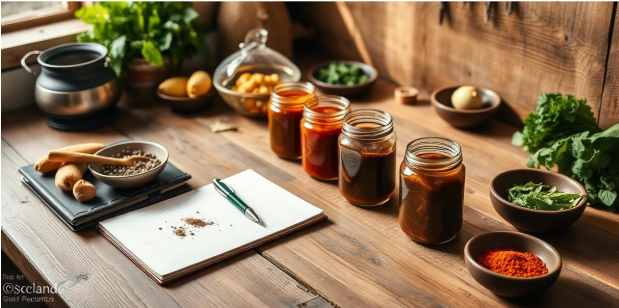
Hiring is where a lot of new owners get blindsided. A kitchen with four line cooks and two servers needs scheduling software, a clear training manual, and a plan for turnover that the National Restaurant Association estimates runs near 70 percent annually across the industry.
- Scheduling tools like 7shifts or Toast Payroll for smaller operations
- A written onboarding process so training does not rely on memory
- Clear tip pooling and wage policies that match state labor law
- A backup staffing plan for the first six weeks after opening
Group coaching sessions focused on operations tend to surface these gaps fastest, because a founder describing their staffing plan out loud to a room of peers usually hears the holes in it before a customer ever does.
Marketing a New Concept Without a Big Budget
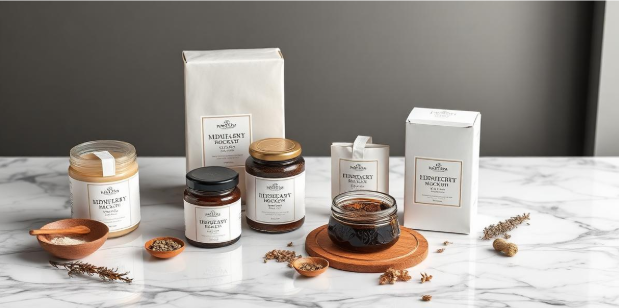
A strong menu means little if nobody walks through the door in the first month. Founders who open a restaurant with almost no marketing budget often lean on local press, food bloggers, and a tight Instagram presence built around opening week photography rather than paid ads.
- Local food writers and neighborhood newsletters for earned coverage
- A soft-open week limited to friends, family, and neighborhood regulars
- Simple loyalty programs through the POS system to track repeat visits
- Partnerships with nearby businesses for cross-promotion during the first month
Salt & Roe’s final cohort session walks founders through a four-week launch calendar built around these lower-cost tactics rather than expensive paid campaigns, since most first-time owners simply do not have the budget for a traditional marketing agency.
Wrap Up
Turning a food idea into a working business takes more than a strong menu. It takes financing discipline, a staffing plan, and a launch strategy tested against real numbers, not guesses.
Group coaching shortens the learning curve by putting founders next to people solving the same problems in real time, and programs like Salt & Roe show what that structure looks like when it is built around accountability instead of generic advice. Anyone serious about this path should treat the planning stage with the same care as the cooking itself.
FAQs
How much does it cost to open a restaurant in the United States?
Costs typically range from $175,000 for a small counter-service concept to over $500,000 for a full-service restaurant, depending on location, lease terms, and equipment needs.
Is group coaching better than hiring a private restaurant consultant?
Group coaching costs less and adds peer accountability and shared vendor knowledge, while a private consultant offers more individual attention; many founders benefit from combining both at different stages.
How long does a group coaching program for new restaurant owners usually last?
Most structured programs, including Salt & Roe’s cohort model, run between eight and twelve weeks, covering financing, staffing, and launch planning in sequence.