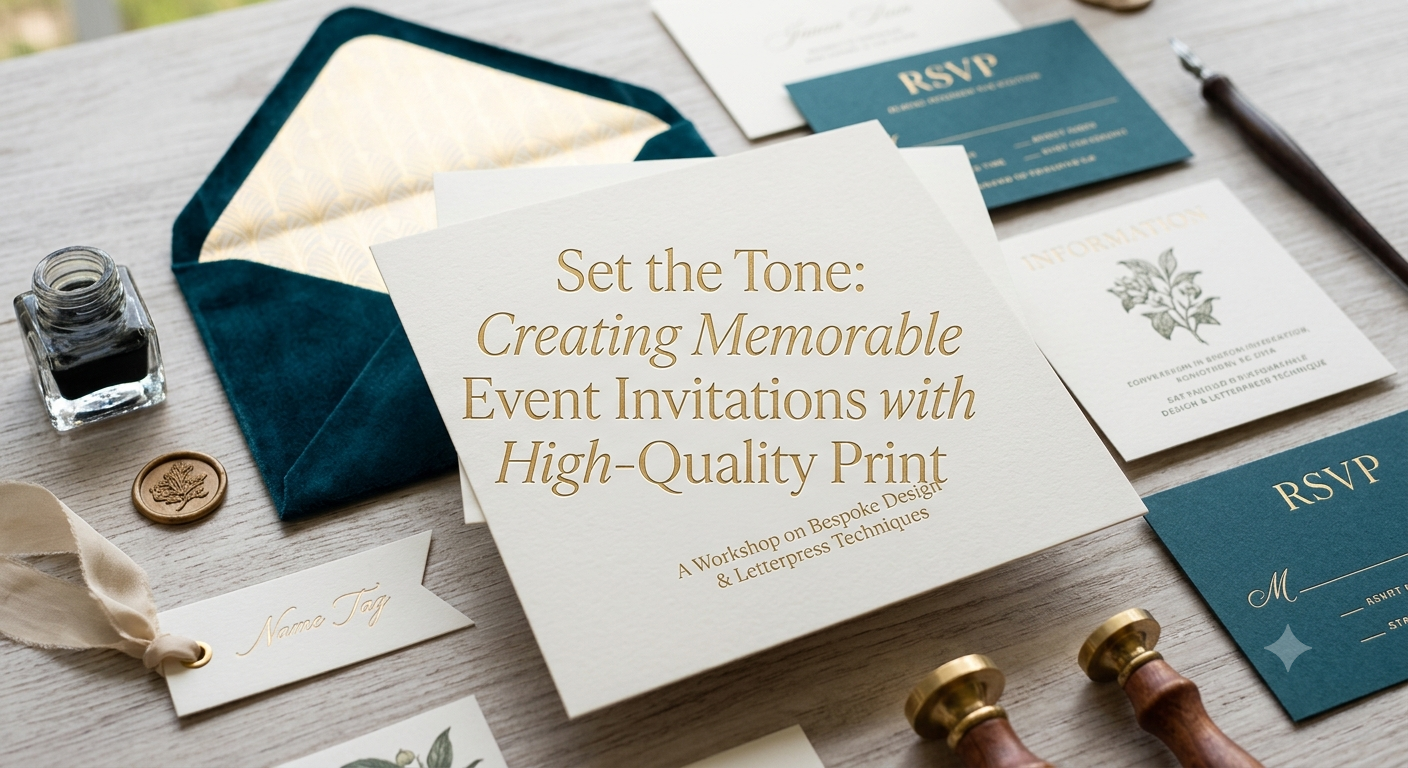
The Psychology of the Physical Invitation
In an era dominated by instant notifications and fleeting digital interactions, the physical invitation has reclaimed its status as a powerful tool for connection. When an individual receives a tangible piece of mail, a specific psychological process begins. Unlike an email that can be deleted with a single swipe, a high quality printed invitation demands physical interaction. The weight of the cardstock, the texture of the surface, and even the scent of the ink contribute to a multi sensory experience that digital formats simply cannot replicate.
This physical touch creates an immediate sense of importance. It signals to the recipient that the event is significant enough to warrant the time, effort, and investment of traditional printing. Psychologists often refer to this as the endowment effect, where people value things more highly when they can physically hold them. By choosing high quality print, you are not just sharing information; you are bestowing a sense of value upon your guests.
Defining Your Event Identity Through Print
Before a single drop of ink hits the paper, you must establish the visual identity of your event. Whether you are planning a corporate gala, a high stakes product launch, or an intimate wedding, the invitation serves as the first chapter of the story. It sets expectations for the dress code, the atmosphere, and the level of formality.
A common mistake in event planning is treating the invitation as a separate entity from the event itself. To create a cohesive experience, the design should reflect the venue and the theme. For example, a modern tech conference might utilize minimalist layouts and metallic accents, while a heritage brand anniversary might lean toward classic serif fonts and heavy, cream colored paper. When you work with professional services like HelloPrint, you gain access to the tools necessary to align your creative vision with professional output standards, ensuring your event identity is protected from the first point of contact.
The Essential Elements of High Quality Print
Quality in printing is not defined by a single factor but rather a combination of technical specifications that work in harmony. To achieve a professional result, one must consider resolution, color accuracy, and finish.
1. Resolution and Clarity: High quality print requires files with a minimum of 300 dots per inch. This ensures that fine lines and small text remain sharp and legible.
2. Color Calibration: The transition from screen to paper can be treacherous. Utilizing CMYK color profiles rather than RGB is vital for ensuring that the colors you see on your monitor are the ones that appear on the final product.
3. Bleed and Margin Management: Professional printing requires a bleed area to ensure that designs extending to the edge of the paper do not leave white gaps after trimming.
4. Ink Density: High quality printing processes allow for deeper blacks and more vibrant hues, providing a richness that budget home printing cannot achieve.
Selecting the Perfect Paper Stock and Texture
The choice of paper is perhaps the most critical decision in the invitation design process. The substrate is the foundation of the entire project. When you explore the options available at HelloPrint, you will find a variety of weights often measured in grams per square meter.
1. Standard Cardstock: Usually ranging from 250 to 300 grams per square meter, this is a versatile choice for most business events.
2. Premium Heavyweight: For a sense of luxury, 400 grams per square meter or higher provides a rigid, substantial feel that suggests exclusivity.
3. Textured Stocks: Linen, hammered, or felt finishes add a tactile dimension that invites the recipient to run their fingers across the card.
4. Sustainable Options: Recycled and kraft papers are increasingly popular for brands that want to communicate environmental responsibility without sacrificing aesthetic appeal.
Understanding Finishes
Beyond the paper itself, the finish determines how light interacts with the invitation. A matte finish offers a sophisticated, non reflective surface that is easy to read under bright lights. Conversely, a glossy finish makes colors pop and provides a modern, high energy feel. Silk finishes offer a middle ground, providing a smooth, satin like touch that feels exceptionally professional.
Advanced Printing Techniques for Premium Results
To truly set the tone and create a memorable invitation, you should consider moving beyond standard flat printing. Advanced techniques add depth and visual interest that command attention.
1. Foil Stamping: This involves applying a thin layer of metallic or colored foil to the paper using heat and pressure. It is ideal for highlighting logos or event titles.
2. Embossing and Debossing: These techniques create raised or recessed patterns in the paper, adding a three dimensional quality that is both visual and tactile.
3. Spot UV: This is a clear, shiny coating applied to specific areas of the design. It creates a striking contrast against a matte background, perfect for subtle branding.
4. Die Cutting: Instead of standard rectangular cards, die cutting allows you to create custom shapes that reflect your event theme, such as a geometric pattern or a specific silhouette.
Color Theory and Brand Consistency in Print
Color is the most immediate way to communicate emotion. In the world of high quality print, color consistency is paramount. For businesses, this means ensuring that company brand colors are reproduced accurately across all marketing materials.
Using a professional provider like HelloPrint ensures that your color palette remains consistent, whether you are printing fifty invitations or five thousand. Warm tones like deep burgundy or gold evoke a sense of tradition and comfort, whereas cool tones like navy blue or charcoal grey suggest authority and professionalism. When designing your invitation, consider the psychological impact of your color choices. Bright, saturated colors are excellent for social gatherings and festivals, while muted, earthy tones are better suited for wellness retreats or high end corporate seminars.
Typography as a Design Foundation
Typography is often the unsung hero of invitation design. The fonts you choose do more than just deliver information; they convey personality. A common rule of thumb is to limit your design to two or three complementary fonts to avoid a cluttered appearance.
Hierarchy and Readability
1. The Primary Headline: This should be the most prominent element, usually the name of the event or a bold call to action.
2. Secondary Information: Details such as the date, time, and location should be presented in a clear, legible font that is slightly smaller than the headline.
3. The Fine Print: RSVP details or dress code instructions can be smaller, but they must still be readable. Avoid using overly decorative fonts for essential information.
Functional Design and Practical Considerations
While aesthetics are vital, an invitation must also be functional. It needs to provide all necessary information in a way that is easy for the guest to digest. This includes the who, what, where, when, and why of the event.
1. Clear RSVP Instructions: Whether you use a QR code, a dedicated website, or a traditional response card, make the process as simple as possible.
2. Map and Directional Cues: For venues that are difficult to find, including a small, stylized map can be a helpful and attractive addition.
3. Timing and Pacing: Send your invitations early enough to allow guests to clear their schedules. For major events, this usually means six to eight weeks in advance.
Creating a memorable event starts with the first touchpoint, and integrating HelloPrint into your workflow allows you to maintain high standards of quality while managing your timeline effectively.
The Role of Envelopes and Packaging
The invitation experience begins before the card is even seen. The envelope is the first thing the recipient touches. Using a heavy, matching envelope rather than a standard office envelope immediately elevates the presentation.
Customizing the Outer Layer
1. Printed Liners: Adding a pattern or a solid color to the inside of the envelope provides a delightful surprise when the guest opens it.
2. Custom Seals: Wax seals or branded stickers add a layer of security and a handcrafted feel that suggests the invitation was prepared with care.
3. Addressing: Hand addressed envelopes are the gold standard for personal events, but for large scale corporate functions, high quality digital printing that mimics calligraphy can be a time saving alternative.
Long Term Impact and the Future of Physical Stationery
A high quality printed invitation often becomes a keepsake. It lives on a guest’s refrigerator or desk for weeks, serving as a constant reminder of the upcoming event. This extended exposure is something digital marketing can rarely achieve. Furthermore, in an increasingly digital world, the novelty of receiving something beautiful in the mail continues to grow.
By investing in high quality print, you are making a statement about the longevity and importance of your brand or event. Utilizing the extensive range of options at HelloPrint allows you to experiment with different materials and finishes until you find the perfect combination that resonates with your audience.
Crafting the Lasting Impression
The success of an event is often measured by the memories it creates, but those memories begin the moment the invitation is opened. When you prioritize high quality print, you are telling your guests that their presence is valued and that the event they are about to attend is of the highest caliber. From the initial selection of paper stock to the final choice of typography, every decision contributes to a narrative of excellence. By focusing on these tactile details and leveraging professional printing expertise, you ensure that your event is not just another date on the calendar, but a landmark occasion that begins with a truly unforgettable first impression.