In recent years, the concept of eco-friendly home improvements has gained significant traction among homeowners and builders alike. These renovations not only aim to reduce the environmental footprint but also promise financial savings in the long run. Implementing sustainable practices and materials in home remodeling projects can lead to substantial reductions in energy costs, thus appealing to the economic sensibility of homeowners.
As the conversation around sustainability continues to grow, more individuals are recognizing the importance of making environmentally conscious choices when it comes to their living spaces. Eco-friendly home improvements often involve the adoption of energy-efficient systems, such as solar panels, insulation upgrades, and high-efficiency appliances. These advancements not only contribute to a healthier planet but also enhance the overall comfort and quality of life within the home.
The trend towards sustainability is evident in every aspect of home renovations, from the materials chosen for construction to the energy systems implemented. Consumers are increasingly informed about the benefits of eco-friendly practices, resulting in a shift in market demand. Moreover, government incentives and rebates for energy-efficient upgrades have made it financially attractive for homeowners to invest in green renovations. This synergy of environmental responsibility and potential cost savings propels many to consider how eco-friendly modifications can transform their homes.
Integrating sustainable practices in home improvements goes beyond mere aesthetics; it is about creating spaces that are energy-efficient, resource-conserving, and sustainable. By prioritizing eco-friendly choices, homeowners are not merely enhancing their properties, but also contributing to a collective effort in combating climate change. This shift towards greener living is a testament to the growing awareness of our environmental responsibilities and the need for a more sustainable future.
Energy-Efficient Appliances: A Smart Investment
Investing in energy-efficient appliances represents a strategic decision for homeowners aiming to reduce their energy consumption and lower expenses. These modern appliances, which include refrigerators, dishwashers, washing machines, and more, are designed to utilize less electricity compared to their conventional counterparts. This reduction in energy usage not only translates into significant savings on monthly electricity bills but also minimizes the overall environmental impact.
The technology behind energy-efficient appliances continues to evolve, integrating advanced features that maximize performance while minimizing energy consumption. For instance, Energy Star-rated appliances meet stringent criteria set by the Environmental Protection Agency (EPA) and are certified to use approximately 10-50% less energy than standard models. By replacing older appliances with energy-efficient options, homeowners can expect to see a noticeable decline in energy costs, thereby providing a quick return on investment and long-term savings.
Moreover, the benefits of energy-efficient appliances extend beyond financial savings. Using these appliances reduces greenhouse gas emissions and alleviates the demand on our power grids, contributing to a more sustainable and eco-friendly environment. By decreasing energy consumption, homeowners play an essential role in combating climate change and promoting a healthier planet for future generations. As consumers become more environmentally conscious, the adoption of energy-efficient appliances is not just economically wise but also supports broader sustainability goals. Investing in such appliances is a meaningful way to enhance both home efficiency and environmental stewardship.
Insulation Upgrades for Reduced Energy Costs
One of the most vital components of an energy-efficient home is proper insulation. It plays a significant role in regulating indoor temperatures, ensuring that spaces remain comfortable year-round while helping to lower energy bills. When insulation is effectively installed, it minimizes heat transfer, keeping the cold air inside during summer and retaining heat during winter. As a result, homeowners can rely less on heating and cooling systems, which in turn reduces their energy consumption and lowers utility costs.
There are several insulation materials available, each with its own benefits. Fiberglass insulation is one of the most common options due to its affordability and effectiveness in reducing heat transfer. It comes in batts or rolls that can be easily installed in walls, attics, and floors. Another popular choice is foam board insulation, which provides a high insulation value with minimal thickness. This option is particularly useful in areas where space is limited, such as foundation walls and crawl spaces.
Spray foam insulation is another innovative solution that expands on application, filling in gaps and cracks to provide an airtight seal. It offers excellent thermal performance and can also help in dampening noise. For those looking for eco-friendly options, cellulose insulation made from recycled paper products is a sustainable choice. It is treated for fire resistance and provides excellent thermal performance.
In addition to choosing the right materials, proper installation techniques are crucial for maximizing insulation’s effectiveness. Air sealing should be conducted prior to insulation installation to prevent drafts and ensure that the insulating material performs optimally. Adequately insulating attics, basements, and exterior walls can lead to significant energy savings.
Solar Panel Installation: Harnessing Renewable Energy
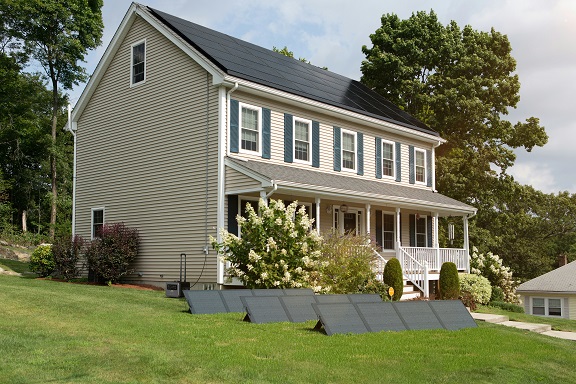
In recent years, the adoption of solar panel installation has surged as homeowners recognize the multifaceted benefits of harnessing renewable energy. One of the primary advantages of solar panels is the significant long-term savings on electricity bills. By converting sunlight into usable electricity, homeowners can dramatically reduce their reliance on traditional energy sources, leading to lower monthly bills, especially in regions with abundant sunlight.
Additionally, many governments offer attractive incentives to promote solar energy use. These incentives can include tax credits, rebates, and grants, which lower the initial investment needed for installation. Such financial support not only enhances the affordability of solar panel systems but also encourages more households to make the switch to renewable energy. In the United States, for instance, the federal solar tax credit allows homeowners to deduct a percentage of the cost of their solar system from their federal taxes, significantly decreasing the upfront costs.
Moreover, the environmental impact of utilizing solar energy is profoundly positive. By reducing dependence on fossil fuels, solar energy contributes to lower greenhouse gas emissions, helping combat climate change and fostering a healthier planet. Homeowners who install solar panels can take pride in their role in promoting sustainability.
For those concerned about the financial barrier to entry, various financing options exist. Many solar companies provide flexible payment plans, including solar leases and power purchase agreements (PPAs), enabling homeowners to benefit from solar energy without a substantial upfront investment. Additionally, some financial institutions offer green loans specifically designed for renewable energy projects.
Overall, solar panel installation presents a myriad of advantages, from financial savings and government incentives to a significant positive impact on the environment. As more individuals consider eco-friendly home improvements, solar energy stands out as a leading solution to enhance sustainability while also saving money.
Water-Saving Fixtures: Reducing Consumption and Costs
In an era where environmental awareness is paramount, implementing water-saving fixtures in residential spaces is a prudent action that aligns with eco-friendly home improvements. Low-flow toilets, showerheads, and faucets are designed to significantly reduce water consumption without compromising performance. For instance, standard toilets use up to 3.5 to 7 gallons per flush, while modern low-flow models can accomplish the same task using merely 1.28 gallons or less. This reduction translates to noticeable savings on water bills over time, making them a financially savvy upgrade.
Moreover, water-saving fixtures can lead to substantial conservation efforts, particularly in areas experiencing prolonged drought conditions. Regions that frequently face water shortages benefit considerably from these innovations. By decreasing individual water usage, entire communities can mitigate the strain on local water resources. As industries continue to develop and promote sustainable products, homeowners possess greater access to technologies that promote efficiency in water usage.
Another important aspect of implementing low-flow devices is their role in enhancing the longevity of plumbing systems. Reduced water flow minimizes the wear and tear on pipes and fixtures, leading to fewer leaks and repairs in the long run. This not only contributes to lower maintenance costs but also fosters an overall commitment to sustainable practices in residential settings.
Adopting these eco-friendly fixtures exemplifies responsible stewardship of natural resources while resulting in financial savings for homeowners. It is an actionable step towards creating a more sustainable living environment. Water-saving devices are an essential and effective component for anyone looking to implement eco-friendly home improvements. The combined benefits of cost savings, reduced consumption, and conservation create a compelling case for their consideration in any home renovation project.
Landscaping with Native Plants: A Sustainable Choice
Landscaping with native plants has gained recognition as a sustainable choice for homeowners seeking to improve their outdoor spaces while also conserving resources. Native plants are species that naturally occur in a specific region, meaning they are well-adapted to the local climate, soil conditions, and wildlife. One of the most significant advantages of utilizing these plants is their reduced need for water compared to non-native species. This characteristic is especially beneficial in areas prone to drought or with water restrictions, ultimately leading to lower water bills and a decrease in resource consumption.
Moreover, native plants demand less maintenance, translating into savings on gardening costs over time. These plants typically require less frequent pruning and are more resistant to pests and diseases, which may diminish the need for chemical treatments. Homeowners who incorporate native plants into their landscaping can enjoy a more effortless gardening experience, spending less time and money on upkeep.
Additionally, utilizing native plants plays a crucial role in supporting local ecosystems. They provide essential habitats and food sources for indigenous wildlife, including birds, butterflies, and bees, which are vital for pollination. By fostering biodiversity, homeowners contribute positively to their local environment while enhancing the curb appeal of their property. The vibrant flowers and varied textures of native plants can create visually stunning landscapes that reflect the natural beauty of the area.
Incorporating native plants into landscaping not only provides economic benefits by saving on maintenance and water costs but also strengthens the local ecosystem, making it a win-win strategy for eco-conscious homeowners. This sustainable landscaping choice cultivates an inviting outdoor atmosphere while promoting environmental health.
Smart Home Technologies for Energy Management
In today’s world, the integration of smart home technologies into daily living has revolutionized the way we manage energy consumption. These innovative systems offer homeowners advanced tools to monitor and optimize their energy use, contributing to a more eco-friendly lifestyle while also yielding considerable savings on utility bills.
One significant component of smart home technology is the energy monitor. These devices provide real-time data on energy consumption, enabling users to identify areas where excess energy is being used. By tracking energy usage patterns, homeowners can make informed decisions about their consumption habits, thereby minimizing waste. For example, by recognizing high-usage periods, they might choose to shift energy-intensive activities, such as running a dishwasher, to off-peak times, which can lead to lower electricity bills.
Another vital element is the smart thermostat, which plays a crucial role in managing heating and cooling costs. These devices learn from the homeowner’s preferences and habits to automatically adjust the temperature at optimal times. For instance, if the thermostat detects that no one is home during the day, it can lower or raise the temperature accordingly, thus conserving energy. Moreover, smart thermostats can be controlled remotely via smartphones, allowing users to make adjustments even when away from home.
Automated lighting systems also contribute significantly to energy management. These systems utilize sensors to detect occupancy or natural light levels, ensuring that lights are only on when needed. For example, outdoor lights can be programmed to turn on at dusk and off at dawn, while indoor lights can be set to automatically dim or turn off in unoccupied rooms.
Collectively, these smart home technologies not only enhance convenience but are integral to reducing energy consumption. By investing in energy monitors, smart thermostats, and automated lighting systems, homeowners take a vital step toward achieving both financial and environmental sustainability.
The Role of Sustainable Materials in Home Renovation
In the modern era of rising environmental concerns, the role of sustainable materials in home renovation has gained significant traction. Selecting materials that are eco-friendly is essential not only for reducing the ecological footprint but also for achieving lower long-term costs. Sustainable materials, including reclaimed wood, recycled metal, and eco-friendly flooring options, serve to enhance the overall sustainability of a home.
Reclaimed wood stands out as a popular choice among homeowners looking for both aesthetic appeal and sustainability. This type of wood is salvaged from old buildings, avoiding the need for new resources while providing unique character to renovations. By utilizing reclaimed wood, homeowners can minimize deforestation and decrease waste sent to landfills. In addition, reclaimed wood can be more affordable over time, as it eliminates the high costs associated with purchasing new timber.
Similarly, recycled metal has established its reputation in home renovations. By incorporating materials such as aluminum or steel that have been processed and repurposed, homeowners contribute to significant energy savings and resource conservation. The manufacturing of recycled metals requires less energy compared to their virgin counterparts, leading to reduced greenhouse gas emissions. This efficient use of materials is not only beneficial for the environment but can also translate to lower costs in terms of procurement and energy usage in completed projects.
Moreover, eco-friendly flooring options, including bamboo or cork, offer sustainable alternatives to traditional flooring materials. These options are sourced from renewable resources and often come with improved durability. By choosing eco-friendly flooring, homeowners potentially reduce costs related to maintenance and replacement, while also enhancing their indoor air quality. Overall, incorporating sustainable materials in home renovation promotes a healthier living environment and contributes to long-term energy savings.
Conclusion: The Long-Term Benefits of Eco-Friendly Improvements
In evaluating the merits of eco-friendly home improvements, it becomes evident that these initiatives go far beyond mere aesthetic enhancements. Although the initial costs for energy-efficient appliances, high-quality insulation, and renewable energy systems can be intimidating, the long-term benefits significantly outweigh these upfront investments. Households that embrace sustainable practices often find themselves experiencing reduced utility bills, which can lead to substantial savings over time.
Moreover, eco-friendly improvements contribute positively to the environment. By reducing energy consumption and minimizing waste, homeowners play a vital role in mitigating the impact of climate change. This not only helps preserve local ecosystems but also promotes a healthier community by improving air quality and supporting sustainable practices.
It is also crucial to consider the increase in property value associated with eco-friendly modifications. Potential buyers are increasingly prioritizing homes that showcase energy efficiency and sustainable practices, which means that investments made in such improvements may yield a significant return. Homes equipped with solar panels, for instance, not only attract eco-conscious buyers but also provide ongoing savings on energy costs.
When assessing the necessity of eco-friendly home improvements, it is important to recognize the dual advantages of saving money while contributing to a sustainable future. As awareness of environmental issues escalates, the shift towards eco-conscious living becomes less about trendiness and more about responsibility. In conclusion, investing in sustainable modifications is, therefore, a prudent decision that leads to both financial gains and a healthier planet for future generations.