Nobody wants to share their living room with ants, their pantry with silverfish, or their attic with rodents. Yet for most homeowners, pest problems sneak up quietly—a few ants near the sink, a scratching sound in the ceiling—until suddenly it’s a full-blown infestation. The good news? You don’t have to wait for that moment to take action.
A proactive approach to pest management can save you time, money, and plenty of stress. Instead of scrambling to fix a problem after it’s already taken hold, homeowners who stay ahead of pest activity enjoy cleaner, safer, and more comfortable living spaces all year long. At Howdy Pest Co, we’ve seen firsthand how a little prevention goes a long way, and we’re here to help you understand what effective pest protection actually looks like.
In this post, we’ll break down why pests invade homes in the first place, the warning signs you shouldn’t ignore, and how consistent treatment plans can keep your property pest-free for good.
Why Do Pests Keep Coming Back?
Pests aren’t random visitors. They show up because your home offers exactly what they need: food, water, and shelter. Kitchens with crumbs, leaky pipes, cluttered garages, and even small cracks in your foundation can all serve as open invitations.
Seasonal changes play a role too. As temperatures shift, insects and rodents search for warmer or cooler shelter, often finding their way indoors. Homes near wooded areas, bodies of water, or dense landscaping are especially vulnerable, since these environments naturally host larger pest populations nearby.
The tricky part is that pests are incredibly adaptable. Even if you eliminate one entry point, they’ll often find another unless the root cause is addressed. That’s why one-time fixes rarely solve the problem for long.
Signs You Might Have a Pest Problem
Not all pest activity is obvious right away. Here are some common signs homeowners often overlook:
- Unusual noises: Scratching, scurrying, or tapping sounds in walls or ceilings often indicate rodents or larger insects.
- Droppings: Small dark pellets near food storage areas or along baseboards are a telltale sign of rodent activity.
- Damaged wood or wires: Chewed wires, wood shavings, or small holes can point to termites, carpenter ants, or rodents.
- Nests or webs: Spiderwebs in corners, wasp nests near rooflines, or ant trails leading to food sources are easy to miss until they become widespread.
- Musty odors: Certain pests, like rodents or cockroaches, leave behind distinct smells that intensify as populations grow.
Catching these signs early makes treatment faster, more affordable, and far less disruptive to your household.
How Professional Pest Control Makes a Difference
While DIY sprays and traps might offer short-term relief, they rarely address the underlying issue. Professional pest control technicians are trained to identify entry points, nesting areas, and environmental factors that attract pests in the first place. This means treatment isn’t just about killing what you can see—it’s about preventing future invasions altogether.
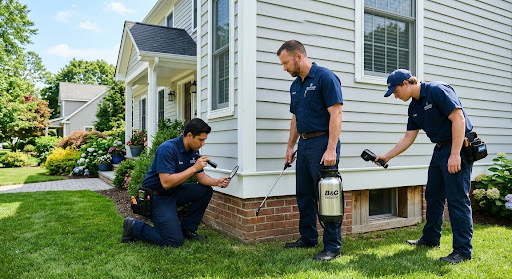
Howdy Pest Co technicians use a combination of inspection, targeted treatment, and ongoing monitoring to create a pest management plan tailored to your home’s specific needs. Rather than applying a blanket solution, our team evaluates your property’s layout, local pest activity, and seasonal risks to determine the most effective approach.
This kind of customized service also means safer treatment for your family and pets. Professional-grade products are applied strategically and in the correct concentrations, minimizing exposure while maximizing effectiveness.
What to Expect From a Pest Control Visit
If you’ve never scheduled a professional pest treatment before, the process is simpler than you might think. A typical visit includes:
- Inspection: Technicians check both the interior and exterior of your home for signs of pest activity, moisture issues, and potential entry points.
- Treatment: Based on findings, targeted treatments are applied to problem areas, including baseboards, entry points, attics, and crawl spaces.
- Prevention Tips: Homeowners receive practical advice on reducing future risk, such as sealing cracks, managing moisture, and proper food storage.
- Follow-Up Scheduling: For long-term protection, many homeowners opt for recurring visits to maintain results throughout the year.
This structured approach ensures pests are not just removed, but kept away for the long haul.
Why Year-Round Protection Matters
Pest activity doesn’t follow a strict seasonal calendar. Ants might peak in the spring, while rodents often seek shelter indoors during colder months. Termites can cause damage silently for years before being noticed. Because of this variability, year-round pest management offers far more reliable protection than occasional, reactive treatments.
General Pest Control that keeps your home protected throughout every season, so you never have to worry about surprise invasions disrupting your daily life, is exactly what Howdy Pest Co specializes in. With consistent monitoring and seasonal adjustments to treatment plans, homeowners can enjoy lasting peace of mind rather than scrambling every time a new pest problem pops up.
Routine visits also help identify small issues before they escalate. A minor ant trail today could signal a larger colony nearby, and catching it early prevents a much bigger (and costlier) problem down the road.
Take the First Step Toward a Pest-Free Home
Living pest-free isn’t about luck. It’s about staying one step ahead through consistent prevention and expert care. Whether you’re dealing with an active infestation or simply want to avoid one altogether, partnering with a trusted pest control provider makes all the difference.
Howdy Pest Co is committed to helping homeowners protect what matters most: their families, their homes, and their peace of mind. Reach out today to schedule an inspection and discover how a tailored pest management plan can keep your home comfortable, safe, and pest-free all year long.
Frequently Asked Questions
How often should I schedule pest control treatments?
Most homes benefit from quarterly treatments, though properties near wooded areas or with a history of infestations may need more frequent visits.
Is pest control safe for pets and children?
Yes. Professional technicians use EPA-approved products applied in safe concentrations, and they’ll advise on any precautions needed during and after treatment.
Can pest control prevent termites too?
General treatments help reduce many common pests, but termite prevention often requires specialized inspection and treatment due to the unique behavior of termites.
What’s the difference between DIY products and professional treatment?
DIY products often target visible pests temporarily, while professional treatments address root causes like entry points and nesting sites for longer-lasting results.