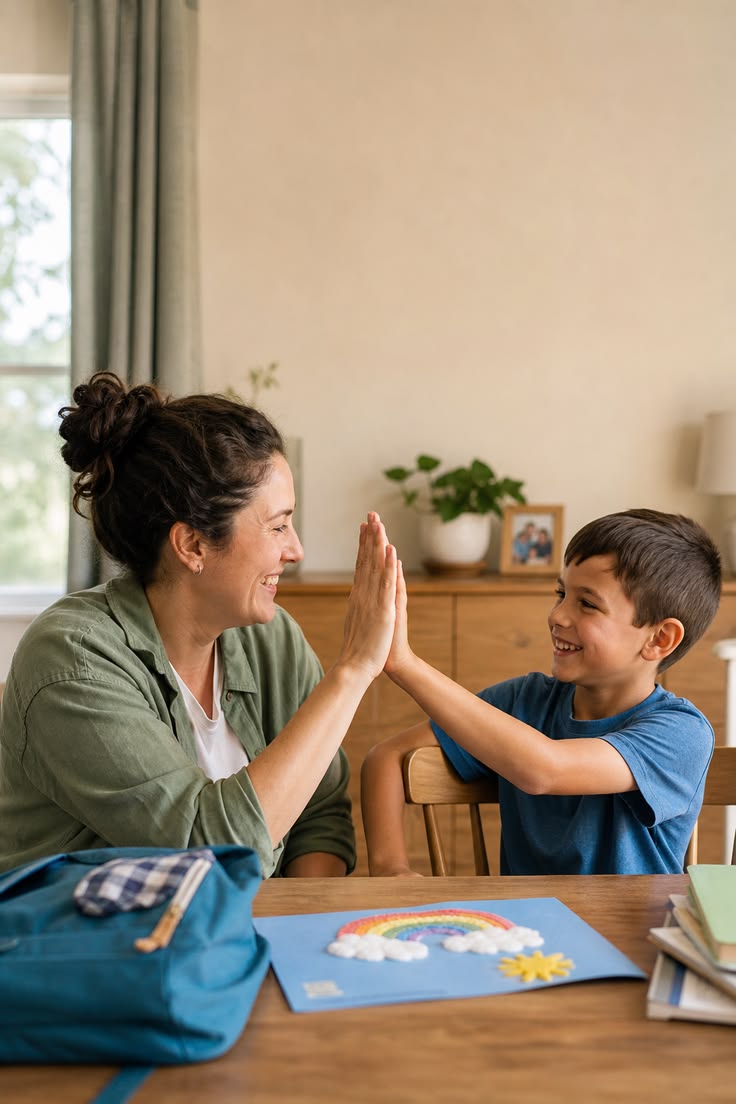
Raising confident and independent children is one of the most important responsibilities of parents. Every child needs love, support, and guidance while growing up. However, children also need opportunities to make decisions, solve problems, and learn from their own experiences. These everyday lessons help them develop the confidence to face challenges and become responsible individuals.
Parenting is not about making every decision for children or protecting them from every mistake. It is about preparing them to understand the world and handle different situations with confidence. Small actions at home can make a meaningful difference in a child’s emotional and personal development.
1. Give Children Opportunities to Make Decisions
Children develop confidence when they feel that their opinions matter. Parents can begin by allowing them to make simple decisions according to their age. For example, a young child can choose between two outfits, select a bedtime story, or decide which activity to enjoy during free time.
These small choices teach children how decisions work. They also help them understand that their preferences are important. As children grow older, parents can gradually give them more responsibility, such as planning their school schedule or organizing their personal belongings.
It is important to guide children without controlling every decision. Parents should explain possible consequences and help them think carefully before choosing.
2. Encourage Children to Try New Things
Trying something unfamiliar can feel uncomfortable for children. They may worry about making mistakes, failing, or disappointing others. Parents can help by creating a supportive environment where children feel safe exploring new activities.
Encourage children to participate in sports, creative hobbies, school projects, music, or other activities that interest them. The goal should not always be winning or becoming the best. Instead, children should learn that effort, practice, and curiosity are valuable.
When parents appreciate the courage it takes to try something new, children become more willing to explore their abilities. This attitude can help them approach future challenges with a positive mindset.
3. Teach Children That Mistakes Are Part of Learning
Mistakes are a natural part of growing up. Children will sometimes forget their homework, lose a game, misunderstand instructions, or make poor decisions. Instead of reacting with anger, parents should use these moments as learning opportunities.
Ask children what happened and what they might do differently next time. This encourages them to think about their actions and understand the results.
Parents should also avoid comparing children with siblings, classmates, or friends. Every child develops at a different pace. Positive guidance helps children recognize their progress without feeling that they must compete with everyone around them.
4. Build Healthy Communication at Home
Open communication helps children feel understood and respected. Parents should make time to listen, even when children want to discuss something that seems small or unimportant to adults.
During conversations, avoid interrupting or immediately judging their feelings. Instead, ask questions and allow children to explain their thoughts. When children know they can speak honestly without being embarrassed, they are more likely to share their concerns.
Family conversations can also help children improve their language skills, express emotions, and develop better relationships. These habits create trust and make it easier for parents to guide children through difficult situations.
5. Give Age Appropriate Responsibilities
Children become more independent when they take part in everyday household activities. Parents can assign simple responsibilities based on their children’s ages and abilities.
Younger children may put toys away, arrange books, or help set the table. Older children can organize their school materials, prepare simple snacks, or help with laundry.
These tasks teach useful life skills and encourage a sense of responsibility. Parents should be patient when children need extra time to complete something. The purpose is to help them learn, not to expect perfect results.
Recognizing their effort can motivate children to continue contributing to family life.
6. Support Emotional Development
Confidence is not only about speaking loudly or performing well in public. It also includes understanding emotions and knowing how to respond to difficult feelings.
Children may experience sadness, frustration, jealousy, fear, or disappointment. Parents should help them identify these emotions and explain that having feelings is normal.
For example, when a child becomes upset after losing a game, parents can acknowledge the disappointment and discuss healthy ways to manage it. Deep breathing, taking a short break, drawing, or talking about the problem may help.
Children who learn to understand their emotions often become better at handling disagreements and building healthy relationships.
7. Create a Positive and Supportive Environment
A supportive home gives children the freedom to learn while knowing that their parents are available when needed. Love, encouragement, clear boundaries, and consistent routines all contribute to a healthy family environment.
Parents should appreciate children’s efforts instead of focusing only on achievements. A simple statement such as “You worked hard on this” can help a child feel valued.
It is also helpful to spend quality time together. Family meals, outdoor activities, reading, and everyday conversations can strengthen relationships. Children benefit when they feel that their parents are interested in their lives.
Families looking for more practical ideas about raising children and improving everyday family life can explore parenting advice and family development resources.
8. Be a Positive Role Model
Children often learn by observing the adults around them. They notice how parents communicate, manage stress, solve problems, and treat other people.
If parents want children to show kindness, patience, and responsibility, they should demonstrate these qualities in daily life. Apologizing after making a mistake, listening respectfully, and keeping promises are simple ways to teach valuable lessons.
Parents do not need to be perfect role models. In fact, showing children how to recognize mistakes and make improvements can teach them an important lesson about personal growth.
9. Avoid Putting Too Much Pressure on Children
Every child has different strengths, interests, and learning abilities. Excessive pressure to achieve high grades, win competitions, or meet unrealistic expectations can reduce confidence and create unnecessary stress.
Parents should set reasonable goals and consider their children’s individual needs. Encourage progress without making children feel that their worth depends on their performance.
A balanced routine should include schoolwork, physical activity, hobbies, relaxation, and family time. Children need opportunities to enjoy childhood while developing useful skills for the future.
Conclusion
Helping children become confident and independent requires patience, encouragement, and consistent support. Parents can make a positive difference by allowing children to make decisions, learn from mistakes, express their feelings, and take age appropriate responsibilities.
These lessons do not happen overnight. They develop through everyday experiences and healthy family relationships. When children feel respected, supported, and encouraged to try new things, they gradually learn to trust their abilities and take responsibility for their actions.
The most important goal is not to raise children who never make mistakes. It is to help them become thoughtful, confident, and responsible individuals who can face life’s challenges with courage and a willingness to learn.