Dog potty training is one of the first important skills every new dog owner needs to teach. Whether you have brought home a young puppy or adopted an older dog, establishing proper bathroom habits can make everyday life easier and create a more comfortable environment for everyone. While potty training requires patience and consistency, having a clear routine can help your dog understand where and when they should relieve themselves. With the right approach, positive reinforcement, and plenty of practice, most dogs can gradually develop reliable potty habits.
Understand Your Dog’s Potty Needs
Before starting dog potty training, it is important to understand that every dog learns at a different pace. Puppies generally need to go more frequently because they have smaller bladders, while adult dogs may be able to wait for longer periods. Puppies may also need to relieve themselves shortly after waking up, eating, drinking, playing, or taking a nap. Paying attention to these patterns can help you create a practical training routine. Waggie’s dog potty training classes use positive, force-free methods to help dogs develop good bathroom habits while teaching owners how to recognise their pets’ signals and reinforce those habits at home.
Your dog’s age, health, diet, activity level, and previous training experience can all influence the process. Instead of expecting your dog to learn immediately, focus on establishing predictable habits. Observing your dog’s behaviour can also help you recognise signs that they need to go outside, such as sniffing the floor, circling, becoming restless, or moving toward a particular area.
Choose a Consistent Potty Location
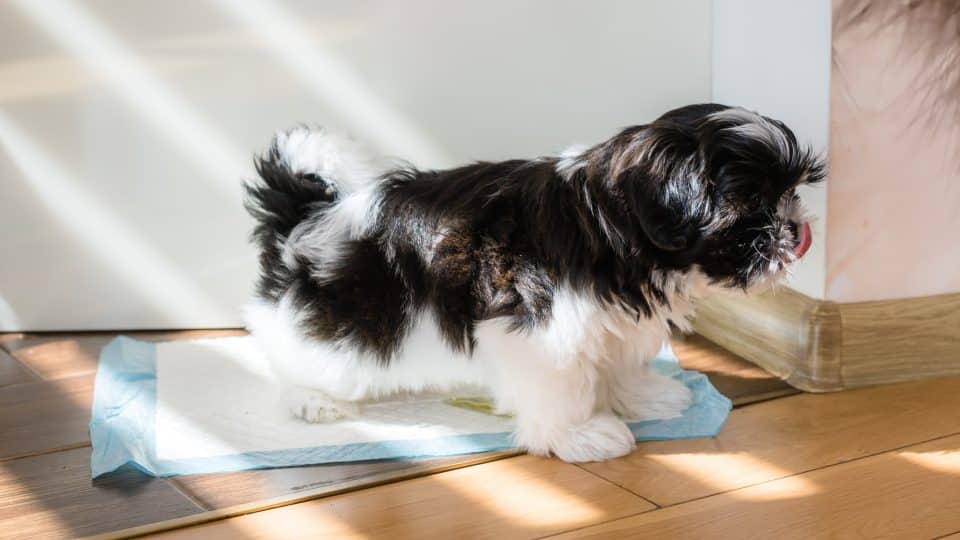
One of the first steps in successful potty training is deciding where you want your dog to relieve themselves. If you want your dog to go outside, choose a safe and convenient outdoor area and take them to the same location regularly. If you live in an apartment or have another reason to use an indoor toilet area, choose a specific spot and keep it consistent.
Taking your dog to the same place helps them associate that location with going to the toilet. Avoid changing the location frequently during the early stages of training because this can make the process confusing. Once your dog understands the routine, you can gradually become more flexible while still maintaining the behaviour you want.
Create a Regular Potty Schedule
A consistent schedule is one of the most effective ways to make potty training easier. Take your dog to their designated toilet area at regular intervals throughout the day. Puppies usually need more frequent bathroom breaks than adult dogs, so their schedule should be adjusted according to their age and individual needs.
Important times for potty breaks include first thing in the morning, after meals, after drinking a significant amount of water, after naps, after play sessions, and before bedtime. Following a predictable routine allows your dog to learn what to expect. Over time, they may begin to anticipate these breaks and develop better control.
Watch for Signs Your Dog Needs to Go
Supervision is particularly important during the early stages of potty training. When your dog is indoors, keep an eye on their behaviour and look for signs that they need to relieve themselves. Sniffing around, walking in circles, whining, pacing, or suddenly leaving the room can indicate that your dog needs a bathroom break.
When you notice these signs, calmly take your dog to their designated potty location. The faster you respond, the easier it becomes for your dog to connect the behaviour with the correct place. Close supervision also reduces the opportunity for repeated accidents around the house.
Use Positive Reinforcement
Positive reinforcement can make potty training a more positive experience for your dog. Whenever your dog successfully goes to the toilet in the correct location, praise them immediately. You can also provide a small treat or another reward that your dog enjoys. The reward should be given soon after the desired behaviour so your dog can understand what they are being praised for.
Avoid punishing your dog for accidents. Shouting or physically punishing a dog can create fear and confusion rather than teaching the correct behaviour. Instead, focus on rewarding successful attempts and improving your routine to prevent future accidents.
Handle Accidents Calmly
Accidents are a normal part of the potty training process, particularly when training a young puppy. If you discover an accident, clean the area thoroughly using an appropriate pet-safe cleaning product. Removing the smell is important because lingering odours may encourage your dog to use the same spot again.
If you catch your dog having an accident, calmly interrupt them and take them to the correct location. Avoid making the situation frightening or stressful. Your goal is to teach your dog where they should go rather than making them afraid of making mistakes.
Be Patient and Consistent
Potty training does not happen overnight. Some dogs learn quickly, while others require more time and repetition. Consistency from everyone in the household is essential because your dog needs clear and predictable expectations. Make sure family members follow the same schedule, use similar commands, and reward the same desired behaviour.
Temporary setbacks can also happen even after your dog appears to be fully trained. Changes in routine, moving house, stress, illness, or other circumstances may affect bathroom habits. If accidents suddenly become frequent or unusual, consider speaking with a veterinarian to rule out an underlying health problem.
Consider Professional Dog Training Support
If you are struggling with potty training or your dog continues to have frequent accidents despite following a consistent routine, professional guidance may be useful. An experienced dog trainer can observe your dog’s behaviour, identify potential problems, and help you develop a training routine that suits your dog’s individual needs.
Professional support can be particularly helpful for owners who are training their first dog or dealing with challenging behaviours. A structured approach can make the process easier to manage and help both the dog and owner build confidence.
Conclusion
Starting dog potty training requires patience, consistency, supervision, and positive reinforcement. Begin by choosing a specific potty location, establish a regular schedule, watch for signs that your dog needs to go, and reward successful behaviour immediately. Accidents are part of the learning process, so respond calmly and focus on improving the routine rather than punishing your dog. With regular practice and clear expectations, your dog can gradually develop reliable bathroom habits and become more comfortable with their daily routine.