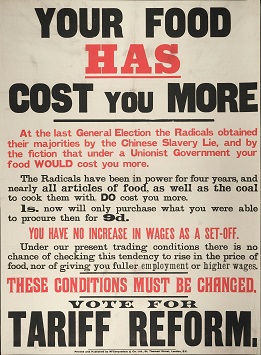
Introduction to Inflation
Inflation Rates is defined as the rate at which the general level of prices for goods and services rises, consequently eroding purchasing power. Essentially, when inflation occurs, each unit of currency buys fewer goods and services than it did in the past. This economic phenomenon is commonly measured by indices such as the Consumer Price Index (CPI) and the Producer Price Index (PPI), which track changes in the prices of a basket of selected goods and services over time.
The significance of understanding inflation extends beyond mere academic interest. It plays a critical role in economic planning and policy-making. For consumers, inflation affects daily life and financial decisions, influencing everything from purchasing habits to savings strategies. For businesses, understanding inflation can guide pricing strategies, wage policies, and investment decisions. In a broader sense, inflation impacts national economies and global markets, influencing interest rates, exchange rates, and fiscal policies.
Factors that contribute to inflation can be complex and multifaceted. They often include demand-pull inflation, which occurs when demand for goods and services exceeds their supply, and cost-push inflation, where rising costs of production drive prices upwards. Moreover, inflation can be influenced by external elements such as global supply chain disruptions or changes in monetary policy by central banks.
In the contemporary economic landscape, characterized by rapid changes and unexpected shocks, a comprehensive understanding of inflation is essential. As nations navigate the repercussions of global events, such as pandemics or geopolitical tensions, inflation remains a pivotal indicator of economic health and stability. Consequently, investors, policymakers, and consumers alike must remain vigilant in monitoring inflationary trends to anticipate and adapt to shifts in the economic environment.
Historical Perspective on Inflation Trends
Inflation has been a recurring theme throughout economic history, with various nations experiencing significant spikes at different points in time. Understanding these historical trends provides valuable insights into current global inflationary pressures. One of the most notable instances occurred during the 1970s, marked by a tripling of oil prices due to geopolitical tensions in the Middle East. This event triggered a phenomenon known as stagflation, where high inflation coincided with stagnant economic growth, leading to widespread economic hardship.
Countries responded to this crisis in various ways. The United States, under the leadership of then-Federal Reserve Chairman Paul Volcker, implemented stringent monetary policies to curb inflation. This involved raising interest rates to unprecedented levels, which ultimately helped to stabilize prices but also contributed to a severe recession in the early 1980s. Other nations, facing similar dilemmas with skyrocketing prices, often turned to price controls and fiscal measures, although such strategies frequently led to either shortages or further inflationary pressures.
Another significant episode occurred in Germany during the early 1920s, known as hyperinflation. The aftermath of World War I and the burdens of reparations led to a dramatic devaluation of the German mark. Prices doubled virtually every few days, rendering the currency almost worthless. The eventual stabilization was achieved through the introduction of a new currency, the Rentenmark, and considerable economic reforms. This experience scarred the nation’s populace, leaving lasting lessons about the relationship between fiscal policy, public trust in currency, and inflation.
In more recent history, countries such as Zimbabwe in the late 2000s faced hyperinflation that resulted from flawed economic strategies, including excessive money printing without corresponding economic growth. These historical episodes underscore the complexities of inflation and offer critical lessons for contemporary policymakers. As the world grapples with rising inflation today, examining these past events is essential for crafting responsive and effective economic strategies.
Economic Factors Contributing to Rising Inflation
Several economic factors have come to the forefront as significant contributors to the current rise in inflation globally. One of the primary drivers is the disruption of supply chains, which has been drastically affected by the COVID-19 pandemic. Lockdowns and restrictions slowed production and transportation, leading to shortages in goods. When demand exceeds supply, prices inevitably rise, resulting in inflation. This issue has been particularly acute in industries reliant on complex global supply networks.
As economies have started to reopen after lockdown restrictions, there has been a notable surge in consumer demand. Many businesses are facing an increase in orders that outstrip their production capabilities, leading to higher prices for their products and services. This heightened demand, when combined with constrained supply, exacerbates inflationary pressures across various sectors.
Additionally, government spending and fiscal policies implemented in response to the pandemic have also played a critical role in influencing inflation rates. Widespread stimulus packages aimed at supporting individuals and businesses have injected significant liquidity into the economy. While these measures were necessary to mitigate economic fallout, the increase in money supply can lead to inflation if not matched by an equivalent increase in the production of goods and services.
Monetary policy has further contributed to the rise in inflation. Central banks around the world have maintained historically low interest rates to stimulate economic activity. While low rates encourage borrowing and spending, they can also lead to inflation if excessive liquidity and demand are not adequately contained. A delicate balance is needed to ensure that inflation does not spiral out of control while still supporting economic recovery.
The Role of Central Banks in Containing Inflation
Central banks play a pivotal role in the management of inflation, employing a variety of monetary policy tools to maintain price stability and promote economic growth. One of the most prevalent methods used by these financial institutions is the adjustment of interest rates. By raising the benchmark interest rates, central banks can make borrowing more expensive, which in turn discourages spending and borrowing. This helps to moderate demand within the economy, ultimately leading to lower inflation rates. Conversely, in times of subdued economic activity, central banks may lower interest rates to stimulate borrowing and spending, thereby increasing aggregate demand and potentially counteracting deflationary pressures.
Quantitative easing (QE) is another significant tool utilized by central banks, particularly in response to the global financial crisis and subsequent economic downturns. Under QE, central banks purchase government securities and other financial assets to inject liquidity into the economy. This increase in the money supply aims to lower interest rates and promote lending and investment. While QE can provide short-term relief, its long-term effectiveness in controlling inflation remains a topic of debate among economists. Critics argue that excessive QE may lead to asset bubbles and long-term inflationary pressure, thereby complicating the task of managing monetary policy.
Central banks must also balance their inflation-targeting measures with other economic objectives, such as full employment. This can create challenges, particularly in a volatile global economic environment where external factors, such as supply chain disruptions and geopolitical tensions, may impact domestic inflation rates. The effectiveness of central banks in containing inflation often depends on their ability to anticipate these challenges and respond accordingly. Thus, while the tools at their disposal are complex and multifaceted, the ongoing assessment of their impact on inflation rates remains essential for ensuring economic stability.
Geopolitical Events Affecting Inflation
In the realm of global economics, geopolitical events play a crucial role in shaping inflation rates. Recent tensions between nations, wars, and evolving trade agreements contribute significantly to fluctuations in prices and economic stability. Understanding these connections is essential for grasping the current inflationary landscape.
For instance, the ongoing conflict in Eastern Europe has had profound implications on energy prices worldwide. As countries impose sanctions and cut off supplies to adversarial nations, the global energy market experiences a supply shock. This sudden reduction in supply leads to increased prices, thereby amplifying inflationary pressures in numerous economies reliant on these energy imports. The crisis has not only affected direct energy markets but has also led to increased costs in transportation and production, creating a ripple effect throughout the supply chain.
Similarly, trade agreements or their collapse can significantly impact inflation. The trade war between the United States and China serves as a pertinent example. Tariffs imposed on a range of goods led to higher costs for consumers and businesses alike. Products that previously enjoyed low tariffs became more expensive, leading businesses to pass these costs onto consumers, thus contributing to overall inflation. Such events reveal how international relations can have direct and detrimental impacts on domestic price levels.
Moreover, ongoing tensions in regions rich in natural resources often create uncertainty in global markets. Investors may respond to such uncertainties by driving up prices on commodities as a hedge, adding further inflationary pressure. As nations navigate complex economic interdependencies, the interplay between geopolitical dynamics and inflation continues to unfold, highlighting the significant implications of international relations on domestic economic conditions.
Effects of Rising Inflation on Consumers and Businesses
The recent global surge in inflation has created a ripple effect on both consumers and businesses, altering their behaviors and strategies in significant ways. For consumers, rising inflation often translates into increased prices for everyday necessities such as food, housing, and transportation. Consequently, individuals may alter their spending habits, prioritizing essential purchases over luxury items. As discretionary spending decreases, consumers become more budget-conscious, seeking discounts and shifting towards lower-priced alternatives.
Moreover, inflation impacts consumer confidence, influencing their willingness to make substantial purchases or investments. When prices are expected to rise continually, potential homebuyers or investors may delay their decisions, leading to a slowdown in sectors such as real estate and automotive industries. This effect creates a cycle of reduced demand which can further exacerbate economic instability.
On the business front, companies face rising costs of production as the price of raw materials, labor, and transportation increases with inflation. This situation forces businesses to reassess their pricing strategies to maintain profitability. In some cases, companies may pass on these costs to consumers through price hikes, which can diminish demand for their products or services.
Furthermore, inflation exerts pressure on wages, particularly in low and middle-income sectors. While some businesses may opt to provide raises to keep pace with rising living costs, others may struggle under the pressure and delay wage increases. This can lead to decreased employee morale and productivity, further complicating the relationship between employers and employees.
In short, the effects of rising inflation on consumers and businesses are multifaceted, affecting spending habits, costing structures, and wage dynamics, leading to an intricate interplay of economic factors that can shape market conditions for the foreseeable future.
Global Disparities in Inflation Rates
Inflation is a phenomenon that varies significantly across the globe, with some countries experiencing remarkably higher rates than others. This disparity can often be attributed to several key factors, including economic structure, currency strength, and government policies.
One of the primary drivers of inflation is a country’s economic structure. Nations that heavily rely on specific industries, such as oil or agriculture, may face more pronounced inflationary pressures if there are fluctuations in global prices. For example, an increase in oil prices can lead to higher costs of living in oil-dependent countries, spurring inflation. Conversely, countries with diversified economies might buffer against these shocks more effectively, thus maintaining more stable inflation rates.
Currency strength also plays a vital role in determining inflation levels. Countries with weak currencies often face elevated import costs, leading to higher consumer prices and consequently, increased inflation. For instance, depreciation of a national currency against the dollar can result in imported goods becoming more expensive, prompting a rise in overall prices. In contrast, nations with a strong and stable currency may have lower inflation as import prices remain manageable.
Besides these economic factors, government policies significantly influence inflation rates. Central banks employ monetary policy tools such as interest rates to control inflation. Countries that adopt aggressive monetary easing during economic downturns may stimulate short-term growth but could risk long-term inflation if not managed properly. Furthermore, fiscal policies, including spending and taxation, can affect aggregate demand and, hence, inflation levels. For instance, countries with expansive fiscal policies may see an uptick in inflation when demand outstrips supply.
Overall, understanding the diverse inflationary experiences of countries requires a comprehensive analysis of their economic frameworks, currency valuations, and governmental strategies. Each of these factors contributes uniquely to how inflation manifests in different contexts.
Future Predictions for Inflation
As the global economy continues to grapple with the implications of recent inflationary pressures, expert predictions on future inflation trends are becoming increasingly relevant. Economists and financial analysts are utilizing current economic indicators, such as consumer price index (CPI) variations and employment data, to forecast inflation trajectories worldwide. Many experts suggest that inflation rates may stabilize in the upcoming years, yet challenging geopolitical factors could maintain upward pressure in certain regions.
One possible scenario indicates that inflation could moderate towards central bank targets as supply chains normalize post-pandemic, with a resulting easing of consumer prices. Should this occur, central banks might shift their focus from aggressive interest rate hikes to more measured approaches that support economic growth while maintaining a check on inflation. However, the landscape remains volatile, with potential shocks from geopolitical tensions, such as conflicts or trade disputes, posing significant risks to these predictions.
Furthermore, inflation expectations have started to shape consumer behavior and business planning. If businesses anticipate continued inflation, they may raise their prices preemptively, creating a self-fulfilling cycle that bolsters inflationary pressures. The interplay between consumer confidence and inflation will be critical, as how consumers spend their money can influence overall economic health. Experts are particularly scrutinizing core inflation, which excludes volatile items like food and energy. The trend in core inflation is expected to provide clearer insights into the underlying inflationary climate.
In conclusion, while predictions regarding future inflation trends suggest various potential scenarios, the uncertainty surrounding global economic indicators and political developments remains vast. Stakeholders will need to stay vigilant and adaptive in their strategies to navigate this complex economic environment effectively.
Conclusion and Recommendations
The global surge in inflation presents significant challenges across various sectors, necessitating a multifaceted approach to mitigate its impacts. This phenomenon, driven by factors such as pandemic recovery, supply chain disruptions, and geopolitical tensions, has resulted in increased prices for goods and services worldwide. As inflationary pressures mount, it is essential for governments, businesses, and individuals to adapt their strategies to navigate this evolving economic landscape.
For governments, monetary policy adjustments play a critical role in combatting inflation. Central banks should consider fine-tuning interest rates to manage money supply and curtail inflationary impulses. Fiscal policy may also be adjusted by strategically investing in infrastructure and social programs that can bolster productivity, ultimately driving long-term economic growth. Transparency and communication regarding inflation trends and policies can help manage public expectations and promote stability.
Businesses are encouraged to remain agile, continually assessing operational costs and pricing strategies. Implementing cost-control measures and exploring automation may mitigate the adverse effects of rising prices. Building strong relationships with suppliers can help secure favorable terms and maintain supply chain integrity. Additionally, businesses should consider diversifying their product offerings to hedge against sector-specific inflation risks.
Individuals facing the pressures of rising costs can take proactive steps in personal finance management. Prioritizing budgeting and tracking expenses will provide better insight into spending habits, allowing for adjustments where necessary. Investing in diversified assets may serve as a safeguard against inflation, while exploring opportunities for upskilling can enhance income potential amidst a fluctuating job market.
In conclusion, addressing the surge in inflation requires coordinated efforts from all stakeholders. By adopting strategic measures tailored to the unique circumstances of their respective domains, governments, businesses, and individuals can better navigate the complexities of an inflationary environment, contributing to overall economic resilience.