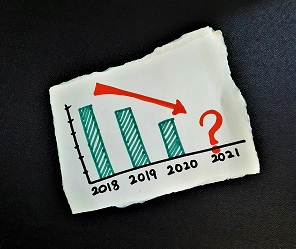
Global economic trends refer to the long-term patterns and shifts within economies across the world, shaping the framework for economic activities, government policies, and market dynamics. These trends offer valuable insight into the progression of economic conditions, which are influenced by a myriad of factors including technological advancements, geopolitical events, demographic changes, and resource availability. In the context of 2026, understanding these trends is crucial for businesses, governments, and individuals as they navigate the complexities of the modern economic landscape. One important aspect of global economic trends is their ability to highlight potential growth opportunities and emerging markets. By analyzing patterns in consumer behavior, trade relations, and investment flows, stakeholders can make informed decisions that capitalize on favorable conditions. Additionally, economic trends reveal the impact of global issues such as climate change, social inequality, and technological disruption, which are increasingly shaping market dynamics and influencing policy formulation.
For businesses, staying attuned to these trends can mean the difference between thriving in competitive environments or struggling to maintain market share. Governments require this information to formulate policies that protect their economies while encouraging innovation and sustainable growth. Individuals also benefit from understanding global economic trends, as these insights equip them with the knowledge needed to make sound financial decisions and prepare for potential economic shifts.
In summary, global economic trends serve as a critical lens through which we can examine the evolving economic landscape of 2026. By grasping the importance of these trends, various stakeholders can better position themselves to respond effectively to the changes ahead, ensuring a stable and prosperous future.
Technological Advancements Shaping the Economy
The global economy is undergoing significant transformations due to rapid technological advancements. By 2026, we can expect the emergence of powerful innovations that will reshape industries and enhance economic growth. Central to this evolution are technologies such as artificial intelligence (AI), blockchain, and automation, which are set to redefine the way traditional business models operate.
Artificial intelligence is expected to play a pivotal role in improving productivity and efficiency across various sectors. Machine learning algorithms will enable companies to analyze vast amounts of data, leading to better customer insights and more personalized services. This technology is crucial in sectors such as healthcare, finance, and manufacturing, where AI can optimize operations and reduce costs. As businesses increasingly adopt AI, it is anticipated that global output will significantly increase, fueling economic growth.
Blockchain technology is another innovation that is set to make waves by 2026. Its decentralized nature promises increased transparency and security in transactions. Industries like finance, supply chain management, and even real estate are exploring blockchain to streamline operations and mitigate fraud. The ability to create smart contracts will further automate processes, reducing the need for intermediaries, thereby lowering costs and increasing efficiency.
Additionally, automation is poised to revolutionize the workforce landscape. By integrating robotics and automated systems in manufacturing and service sectors, businesses can achieve higher output with fewer human resources. However, this will also necessitate a shift in workforce skills, emphasizing the need for education and training programs that equip workers for a changing job market.
Overall, technological advancements such as AI, blockchain, and automation are not merely trends; they represent irreversible shifts that will shape the global economic landscape by 2026. As companies and governments adapt to these changes, the implications for economic recovery, growth, and workforce development will be profound, underscoring the intertwined nature of technology and economics.
Shift in Global Power Dynamics
The global economic landscape is undergoing significant transformations, particularly with the shift in power dynamics among nations. By 2026, emerging markets are anticipated to assume a more prominent role on the world stage, redefining traditional economic structures that have long been dominated by developed countries. This shift can be attributed to a combination of factors, including innovation, demographic changes, and the increasing interdependence of economies.
Countries such as India and Brazil are expected to leverage their youthful populations and expanding middle classes to drive economic growth and attract foreign investments. These nations are harnessing technology and improving local infrastructures, allowing them to compete more effectively in the global marketplace. Consequently, this has led to a realignment of trade relationships, as established powers may find their influence waning in the face of rapid advancements from these emerging economies.
Moreover, geopolitical tensions are likely to complicate these evolving economic conditions. Trade wars and sanctions can influence trade flows and investment patterns, which may have cascading effects on global supply chains. The impacts of such tensions could lead nations to form new alliances or refrain from engaging in traditional partnerships, thus creating an increasingly multipolar world. This situation may prompt both developed and emerging markets to reassess their strategies, focusing on resilience rather than relying on historical trade paradigms.
As we advance toward 2026, it is essential for all nations to navigate these shifting dynamics carefully. Addressing issues such as technology transfer, resource allocation, and environmental sustainability will be imperative in fostering a balanced and equitable global economy. The focus will need to be on collaboration rather than conflict to ensure that the benefits of economic growth are distributed more equitably across different regions.
Climate Change and Sustainability Trends
As we look at the global economic landscape of 2026, it is essential to understand how climate change and sustainability trends are shaping economic strategies. The growing awareness of environmental degradation and climate change has led to a significant shift in policies across various industries, compelling both corporate entities and governments to integrate sustainability into their core frameworks. These policies are not only aimed at mitigating the adverse effects of climate change but also at fostering sustainable development that benefits economies and communities alike.
Industries worldwide are increasingly adopting environmentally friendly practices, driven by stringent regulations and changing consumer preferences that favor sustainable products. Businesses are recognizing that to stay competitive, they must reduce their carbon footprint, optimize resource usage, and invest in renewable energy sources. This transition is not merely a trend; it represents a fundamental change in how companies operate and interact with both consumers and the environment.
Furthermore, sustainability efforts are becoming pivotal in shaping investment strategies. Investors are assessing companies based on their environmental, social, and governance (ESG) performance. This focus has led to a rise in green financing, with funds directed towards projects and companies that prioritize sustainability. As a result, organizations that fail to adapt to these new economic realities may find themselves at a distinct disadvantage.
In conclusion, the influence of climate change and sustainability on economic strategies is undeniable. Companies that embrace these trends are likely to thrive in the evolving marketplace, meet regulatory requirements, and respond effectively to consumer demands. The interconnections between economic growth and environmental stewardship signal a critical transformation toward a more sustainable future, highlighting the importance of integrating these values into all aspects of economic decision-making.
Labor Market Changes and Workforce Evolution
The labor market is undergoing significant changes, largely driven by advancements in technology and shifts in economic dynamics. By 2026, we can anticipate a workforce that is increasingly defined by flexibility and adaptability, in response to the rise of the gig economy and the proliferation of remote work opportunities.
The gig economy, characterized by short-term contracts and freelance work, has gained traction over the past few years. As organizations look for ways to optimize costs and increase efficiency, they are turning to independent contractors. This trend not only provides businesses with access to a wider talent pool but also allows employees the freedom to choose their work schedules. However, this shift poses challenges regarding job security and the benefits typically associated with full-time employment.
Another key aspect of the labor market evolution is the necessity for reskilling and upskilling. As automation and artificial intelligence continue to reshape industries, workers must acquire new skills to remain competitive. Upskilling entails enhancing existing capabilities, whereas reskilling involves learning entirely new skills to adapt to changing job demands. Training programs, vocational education, and continuous professional development will be critical as both employees and employers navigate this rapidly evolving landscape.
Moreover, the need for workforce diversity will become increasingly evident. Companies are recognizing that a diverse workforce drives innovation and performance. By fostering an inclusive environment, organizations not only comply with ethical standards but also achieve a competitive edge in attracting talent. As we approach 2026, the labor market will likely reflect these changes, presenting opportunities and challenges in equal measure.
The Future of Consumer Behavior
As we approach 2026, consumer behavior is poised to undergo significant transformations, influenced by a confluence of technological advancements, social changes, and shifting economic landscapes. In an era characterized by rapid innovation, the emergence of smart technologies and connectivity has begun to redefine how consumers interact with brands. From artificial intelligence-driven recommendations to augmented reality shopping experiences, technology plays a pivotal role in tailoring consumer experiences and expectations.
One notable trend is the growing emphasis on sustainability. Consumers are increasingly making purchasing decisions based on the environmental impact of products and the ethical practices of brands. By 2026, it is anticipated that a significant portion of the market will prioritize eco-friendly products, prompting companies to adopt sustainable practices in their production processes. This shift highlights a broader awareness and responsibility among consumers regarding their choices.
Additionally, the economic environment and social trends will significantly shape consumption patterns. The post-pandemic recovery is likely to lead to changes in spending habits, with a potential increase in demand for experiences over physical goods. As remote work becomes more common, there may be a heightened emphasis on home-related products and services, catering to a lifestyle that integrates professional and personal spaces.
Social media will also continue to influence consumer behavior, with platforms evolving into key marketplaces. Influencer marketing and user-generated content will play crucial roles in shaping perceptions and driving purchases. Consumers increasingly trust peer recommendations over traditional advertising, indicating a shift toward authenticity and relatability.
In conclusion, by 2026, consumers are expected to navigate an ever-evolving marketplace shaped by technology, values, and societal trends. Understanding these behavioral changes will be essential for businesses aiming to thrive in this dynamic environment.
Impact of Monetary Policies and Interest Rates
As we approach 2026, the landscape of monetary policies and interest rates is set to significantly shape global economic dynamics. Central banks worldwide, aiming to support recovery post-pandemic and navigate inflationary pressures, are anticipated to adjust their policies extensively. These adjustments will not only influence domestic economies but also have far-reaching implications on global markets.
Many central banks are currently adopting a strategy of gradual interest rate normalization. This follows an extended period of historically low rates intended to stimulate economic activity. As these banks begin to increase rates, we can expect a corresponding tightening of monetary policies. Central banks in advanced economies such as the United States Federal Reserve, the European Central Bank, and the Bank of Japan are likely to lead these changes as they strive to combat persistent inflation and ensure price stability.
The implications of rising interest rates are manifold. Higher borrowing costs can slow down consumer spending and business investments, leading to an overall deceleration of economic growth. Moreover, inflation rates are expected to remain a central focus for policymakers. Central banks will need to balance the need for rate increases against the risk of stifling growth, particularly in emerging markets which may be more vulnerable to capital flight and currency depreciation.
Furthermore, the interplay of monetary policies across different regions will also affect investment strategies. Investors might recalibrate their asset allocations in response to diverse interest rate environments. The real estate market, for example, could feel the pressure from increasing mortgage rates, while equity markets may experience volatility as valuations adjust to new interest rate realities.
In summary, the appropriate management of monetary policies and interest rates will be crucial for steering economic recovery globally in 2026. The responses of central banks to evolving economic conditions will set the tone for inflation control, sustainable growth, and investment patterns across various sectors.
Global Trade and Supply Chain Resilience
The landscape of global trade has undergone significant changes in recent years, largely driven by the disruptions caused by the COVID-19 pandemic. As we move into 2026, businesses worldwide are increasingly prioritizing supply chain resilience to navigate the uncertainties of global markets. The focus on resilience involves enhancing flexibility and collaboration throughout the supply chain, from sourcing raw materials to delivering finished products to consumers.
In the wake of the pandemic, companies have learned the importance of diversifying their supply sources. This diversification helps mitigate risks associated with over-reliance on a single supplier or geographic region that may become vulnerable in times of crisis. Additionally, businesses are investing in technology to streamline operations and gain better visibility across their supply chains. Advanced data analytics and artificial intelligence have become vital tools for assessing and predicting supply chain performance.
Moreover, the recent shifts in consumer behavior are impacting trade patterns. E-commerce’s exponential growth and the demand for faster delivery services have prompted companies to rethink their logistics strategies. Adapting to these changes involves not only improving the efficiency of supply chains but also ensuring sustainability practices are integrated. Businesses are increasingly adopting environmentally friendly solutions, as consumers are more inclined to support brands that demonstrate social responsibility.
However, challenges remain. Geopolitical tensions, fluctuating commodity prices, and potential regulatory changes may continue to disrupt global trade patterns. Companies must stay vigilant in their strategies to address these issues while also seizing opportunities such as expanding into new markets. As businesses recalibrate their operations in 2026, the emphasis on supply chain resilience will be crucial in establishing a robust framework that can withstand future challenges and capitalize on emerging opportunities.
Conclusion and Future Outlook
As we reach the conclusion of our examination of global economic trends expected to unfold in 2026, it becomes clear that the economic landscape will be shaped by a multitude of interconnected factors. The persistent evolution of technology, demographic shifts, environmental considerations, and geopolitical dynamics will collectively influence the trajectory of global markets. In particular, digital transformation continues to accelerate, creating an environment where innovation drives productivity and growth.
Furthermore, the ongoing adjustments in labor markets, characterized by a push towards remote work and a demand for adaptable skills, will likely redefine employment patterns worldwide. Societies are becoming increasingly aware of the importance of sustainability, which influences consumer behavior and corporate strategies alike. This interconnectedness highlights how trends such as renewable energy investments and corporate social responsibility initiatives are no longer just mere trends—they are essential components of future business models.
Moreover, as nations navigate complexities related to global supply chains and trade relations, the emphasis on regional economic partnerships may increase. This shift could lead to greater stability in some regions, while also contributing to economic fragmentation in others. It is through this lens of interconnectedness that we must view the economy of 2026 and beyond.
In conclusion, while we can anticipate several significant trends that will shape the economic landscape in 2026, the overall fabric of the global economy will be woven from the diverse threads of innovation, workforce changes, sustainability, and geopolitics. Stakeholders across all sectors must remain proactive and adaptive to leverage opportunities created by these evolving dynamics, ensuring resilience in the face of uncertainty as they navigate this intricate economic tapestry.