When embarking on a journey into travel photography tips, one of the most fundamental aspects is gaining a thorough understanding of your equipment. The selection of a camera can significantly impact the quality of your photographs. For beginners, it is essential to understand the types of cameras available in the market: DSLRs, mirrorless systems, and compact cameras, each offering unique advantages. DSLRs typically provide superior image quality and versatility, making them ideal for those willing to carry heavier gear. On the other hand, mirrorless cameras offer a lighter and more compact alternative without compromising much on quality. Compact cameras, while limited in functionality, present a user-friendly option for travelers focusing on convenience.
Once a camera is selected, the next crucial decision involves choosing the right lens. The choice of lens can greatly alter the perspective and overall aesthetic of your photos. For instance, a wide-angle lens is suitable for capturing vast landscapes and architectural wonders, while a telephoto lens is better for photographing distant subjects or wildlife. A versatile zoom lens can serve multiple purposes, allowing beginners to experiment with various styles without the need for multiple lenses.
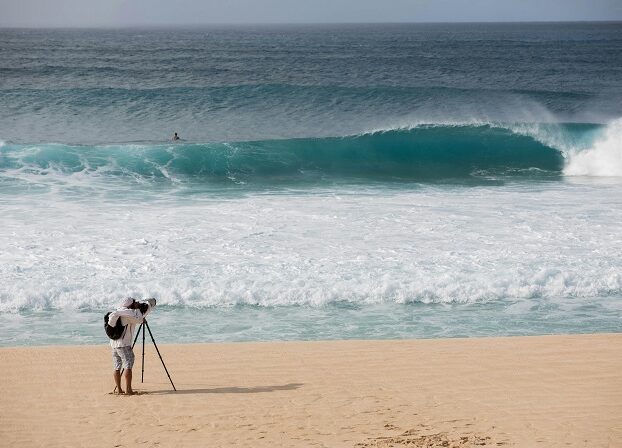
In addition to cameras and lenses, several essential accessories can enhance your photography experience while traveling. A sturdy tripod is invaluable for long exposures and ensuring stability in low-light conditions. Filters, such as polarizers, can help manage reflections and enhance color saturation. Moreover, carrying extra batteries and memory cards is advisable, as travel schedules may not always allow time for charging or data management. Ultimately, understanding how to properly use your equipment is essential to captivate your audience with high-quality images that evoke the beauty and essence of your travels.
Mastering Composition Techniques
Composition is a vital aspect of travel photography tips that can transform an ordinary image into an extraordinary one. Understanding some fundamental composition techniques is essential for any beginner looking to enhance their skills behind the camera. One widely recognized technique is the rule of thirds. This principle suggests dividing your frame into a grid of nine equal parts with two vertical and two horizontal lines. By placing your subject along these lines or at their intersections, you create a more dynamic and engaging photograph. This simple adjustment helps to draw the viewer’s eye toward the focal point of the image.
Another effective technique to consider is the use of leading lines. These are naturally occurring lines in the scenery that guide the viewer’s gaze toward the subject of the photograph. Streets, paths, rivers, or even shadows can serve as leading lines, providing depth and a sense of perspective. Incorporating leading lines can significantly enhance the visual storytelling aspect of your travel photography.
Framing is also a critical element in composition that can dramatically improve your photos. Look for natural frames like doorways, windows, or trees that can create a border around your subject. This technique not only isolates the subject but also adds context and interest to the image. Similarly, achieving symmetry can create a sense of balance and harmony within your frame. When a scene displays symmetry, it naturally attracts the viewer’s attention, making the image more memorable.
To master these techniques, practice is key. Spend time assessing your surroundings and consciously applying these composition rules. With time and experimentation, you will develop a keener eye for captivating compositions in your travel photography, enabling you to capture stunning images that tell fantastic stories.
Capturing the Moment: Tips for Action and Candid Shots
Travel photography tips is not just about landscapes and landmarks; it predominantly revolves around the vibrant moments and the stories they tell. Capturing action and candid shots can be particularly rewarding for photographers, as these images often convey authentic experiences and emotions. To effectively seize these unpredictable moments, being prepared is paramount. Always keep your camera handy, ensuring it is set to the appropriate settings for the lighting conditions. This readiness will enable you to react swiftly to spontaneous events and fleeting expressions.
One of the best ways to capture fast-paced action—much like the fun, high-energy photos you might see from a photo booth rental houston event—is to utilize your camera’s burst mode. This feature allows you to take multiple shots in rapid succession, increasing your chances of snapping the perfect moment.
Whether it’s a group of children playing soccer or a bustling market scene, burst mode is particularly useful for ensuring that you capture all aspects of dynamic situations. When using burst mode, it can be helpful to follow the action with your lens, focusing on the subject while maintaining composition.
Approaching and photographing people in an environment that is not your own requires sensitivity and respect. Always seek permission where appropriate, as this fosters goodwill and can lead to more genuine interactions. You may also choose to engage with your subject beforehand, telling them about your interest in capturing their image, which can help create a comfortable atmosphere. Remember, great candid photography often involves blending in rather than intruding, allowing you to observe and document naturally occurring moments.
Ultimately, the goal of travel photography tips is to tell a story through images. By incorporating action and candid shots, you contribute to a narrative that reflects the vibrancy and essence of your experiences. Each captured moment serves as a chapter in your journey, conveying the excitement, culture, and emotion you encounter along the way.
Post-Processing and Sharing Your Travel Photos
Post-processing is an essential phase in travel photography, as it allows photographers to enhance their images and present them in the best light. For beginners, understanding basic editing techniques can significantly improve the quality of travel photos. A commonly used software in the photography community is Adobe Lightroom, recognized for its user-friendly interface suited for novice users. Alternatively, free options such as GIMP and Canva offer robust tools for those starting out.
A few simple editing techniques can have a profound impact. Adjusting the exposure can help brighten a photo that is too dark, while fine-tuning contrast can add depth. Color correction is also vital, as it ensures the colors in your images reflect reality. Additionally, cropping can be an effective way to eliminate distracting elements and focus the viewer’s attention on the main subject.
Once the post-processing is complete, sharing your travel photos effectively becomes crucial. Social media platforms such as Instagram, Facebook, and Twitter are excellent avenues for showcasing imagery. To present your travel photos effectively, consider composing engaging captions that convey the story behind the image, as this provides context and connection to your audience. Utilizing appropriate hashtags can also increase visibility among those interested in travel photography, making it easier for others to discover your work.
Moreover, it is essential to maintain a consistent aesthetic across your social media profiles, as this can help establish a recognizable style. Experimenting with photo layouts and editing styles can further enhance the presentation of your travel imagery. By implementing these post-processing techniques and sharing strategies, photographers can elevate their travel photos and connect with a broader audience.