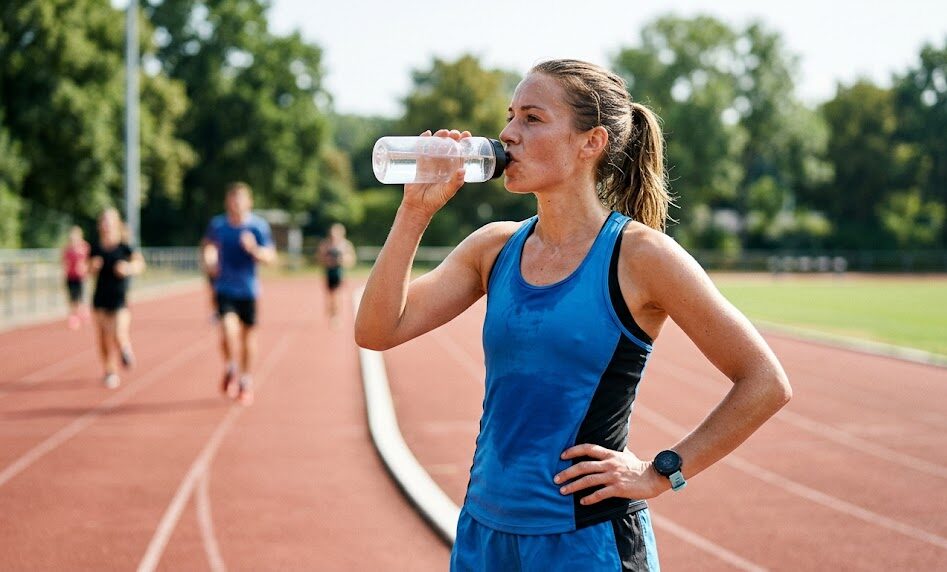
Hydration for Athletes plays a pivotal role in maintaining optimal athletic performance. The human body is composed of approximately 60% water, making adequate fluid levels essential for overall health and physical functioning. During physical activities, especially those that are prolonged or intense, the body relies heavily on water not only for hydration but also for various physiological processes. Proper hydration is integral as it aids in regulating body temperature, lubricating joints, and transporting nutrients and oxygen to cells.
As individuals engage in exercise, sweating becomes a critical mechanism for cooling the body. Through this process, however, significant amounts of fluid and electrolytes are lost. If these fluids are not replenished, dehydration can occur, which adversely affects performance. Research has shown that even a minimal reduction in hydration levels can impair endurance, strength, and overall athletic performance. Dehydration may also lead to muscle cramps, dizziness, and decreased coordination, all of which are detrimental in any sport.
It is important to note that hydration requirements can vary greatly depending on the type of sport or activity undertaken. Endurance athletes, such as marathon runners, may require more fluids to compensate for the extensive sweating over longer durations. Conversely, athletes participating in shorter, high-intensity activities may have different hydration strategies, focusing more on replenishing electrolytes quickly. Understanding these varied needs is crucial for athletes to tailor their hydration strategies appropriately and effectively. Each athlete should develop a personalized hydration plan based on their sport, duration of activity, and individual sweat rates to maintain peak performance.
The Effects of Dehydration on Athletic Ability
Dehydration is a significant concern for athletes, as it can profoundly impact their overall performance and physical abilities. When the body lacks adequate hydration, several physiological functions become compromised, leading to a decrease in endurance, strength, and coordination. Research indicates that even a mild level of dehydration, quantified at just 1-2% of body weight, can result in a noticeable decline in athletic performance.
One of the primary effects of dehydration is a reduction in endurance. As an athlete sweats during exercise, critical fluids are lost, which in turn leads to an increase in body temperature and heart rate. The body’s ability to cool itself becomes less efficient, resulting in earlier onset of fatigue. This can significantly shorten the duration for which an athlete can perform at their peak level, ultimately reducing their overall effectiveness in competition or training.
Moreover, dehydration also affects strength and coordination. Muscles rely on proper fluid balance to contract effectively. A lack of hydration can lead to muscle cramps, diminished force output, and slower recovery times. Coordination and reaction times may also suffer, increasing the risk of injuries during physical activities as the body is unable to respond quickly to sudden movements or changes in direction.
In addition to the performance-related consequences, athletes should be aware of the symptoms associated with dehydration. Thirst, dry mouth, fatigue, dizziness, and headaches are common indicators that the body needs hydration. Recognizing these signs early is crucial for athletes to maintain optimal performance levels. Overall, the detrimental effects of dehydration emphasize the importance of a well-maintained hydration strategy to support athletic performance and achieve goals effectively.
Optimal Hydration Strategies for Athletes
Maintaining optimal hydration is crucial for athletes to ensure peak performance. Determining individual hydration needs involves various factors, including body weight, exercise intensity, and environmental conditions. A general guideline suggests consuming about 0.5 to 1 ounce of fluid per pound of body weight daily, but this can vary considerably based on unique circumstances. Athletes should monitor their hydration status by observing signs such as thirst, urine color, and overall performance.
Electrolyte balance plays an integral role in hydration strategies. Electrolytes, such as sodium, potassium, and magnesium, are lost through sweat and need to be replenished regularly, especially during prolonged physical activities. For sports lasting longer than an hour, athletes should consider beverages containing electrolytes to help maintain muscle function and prevent cramping. Furthermore, incorporating foods rich in these essential minerals can also support hydration and overall health.
Timing fluid intake is another essential aspect of maintaining hydration. Athletes are encouraged to hydrate before, during, and after exercise. It is beneficial to consume 16-20 ounces of water or electrolyte-rich drinks at least two hours prior to physical activity. During exercise, small sips every 15-20 minutes can help keep fluids and electrolytes balanced, particularly in hot or humid conditions. Post-exercise, consuming about 24 ounces of fluid for every pound lost during the activity aids in recovery and prepares the body for future training sessions.
Specific sports may require tailored hydration strategies based on intensity and duration. Endurance athletes participating in long-distance events need to focus on continuous electrolyte replenishment, while strength-training athletes might need to adjust their water intake based on shorter, intensive workouts. Overall, understanding individual hydration needs, ensuring proper electrolyte balance, and optimizing fluid intake timing are pivotal for enhancing athletic performance.
Case Studies: Hydration and Performance Improvements
Numerous case studies illustrate the profound effect of hydration on athletic performance across various sports. For instance, a study published in the Journal of Sports Sciences observed a marathon runner who improved their finishing time by approximately 10 minutes after implementing a structured hydration plan. The athlete, who previously neglected proper fluid intake, learned that maintaining optimum hydration levels enabled better thermoregulation and reduced the risk of fatigue during long races.
In another example, a professional soccer team reported significant improvements in their players’ performance following the introduction of personalized hydration strategies. By measuring fluid losses during training sessions and tailoring individual hydration requirements, teammates noted enhanced stamina, sharper decision-making abilities, and a marked decrease in injury occurrences linked to dehydration. Subsequently, the team’s overall winning percentage improved by over 15% during that season.
Furthermore, collegiate athletes participating in a controlled study were subjected to varying hydration protocols. Those who adhered to a strict hydration regimen demonstrated a 20% increase in their muscular endurance compared to their dehydrated counterparts. This improvement emphasizes the critical connection between adequate hydration and heightened physical performance, particularly for strength-based sports.
The lessons learned from these case studies transcend the boundaries of professional sports, underscoring the significance of hydration for both amateur athletes and casual fitness enthusiasts. The data illustrates that proper fluid intake plays a vital role in enhancing endurance, reducing injury risks, and sustaining optimal performance levels. As athletic demands grow, the need for a systematic approach to hydration—the consumption of water and electrolyte-rich fluids—becomes increasingly crucial in ensuring that all athletes, regardless of their skill level, can achieve their peak physical performance.