Introduction
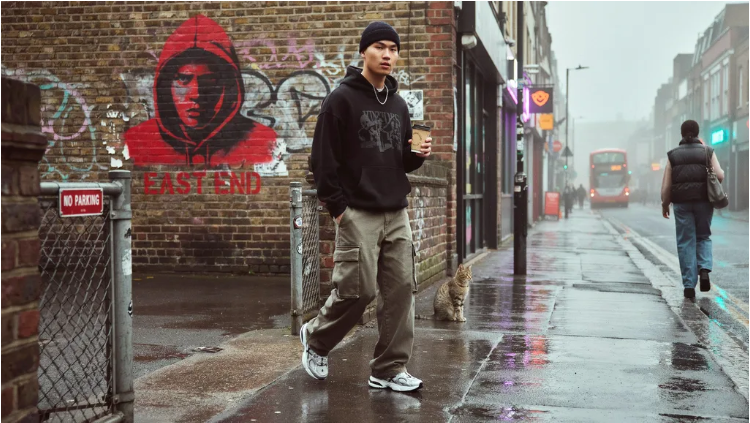
British streetwear now holds an important place in the world of contemporary fashion. Born from different urban, musical and artistic cultures, it has gradually established itself far beyond the streets of London. Among the brands that have contributed to this evolution, Trapstar London stands out with a particularly recognizable identity and a world deeply connected to London culture.
More than just a clothing label, Trapstar represents a way of combining urban fashion, creativity and musical influences. Its aesthetic is based in particular on bold graphics, relaxed silhouettes and communication that maintains a certain connection with underground culture.
The Origins of Trapstar London
Trapstar is a brand that was born in London in the mid-2000s. From the beginning, it developed outside the traditional fashion circuits and gradually built its reputation within the British urban scene. This origin plays an essential role in its identity. The brand was not created simply to follow a market trend. It developed around a vision of fashion strongly inspired by the London environment and the different cultures present in the capital.
In its early days, Trapstar attracted attention in particular through clothing produced in limited quantities. This approach created a sense of exclusivity while maintaining an independent image. Over the years, this identity allowed Trapstar to evolve from a London project into a brand recognized by streetwear enthusiasts in different countries.
An Immediately Recognizable Visual Identity
One of the main elements that characterize Trapstar is its graphic identity. The brand uses logos, typography and symbols that make its clothing quickly identifiable. This visual consistency is particularly important in streetwear. While many brands offer similar silhouettes, a strong graphic identity creates a distinctive signature.
Trapstar collections regularly use contrasts, graphic patterns and elements inspired by urban culture. This aesthetic gives the clothing a strong visual presence without necessarily relying on very bright colors. The logo and the brand’s various graphic codes have therefore become essential elements of its image.
Trapstar and London Culture

To understand Trapstar’s evolution, it is important to consider its environment. London has a particularly dynamic cultural scene, where music, fashion, sport and art constantly intersect.
The brand developed in this environment and naturally incorporated some of its influences. Its collections reflect an urban vision of fashion, with clothing designed for everyday wear while retaining a strong personality.
This relationship with London is also an important part of its authenticity. The brand does not seek to reproduce a generic urban aesthetic; instead, it draws on an identity associated with a city that has its own cultural codes.
The Influence of Music
Music plays a major role in the history of British streetwear, and Trapstar has long maintained connections with this world. The British rap and grime scene has greatly contributed to changing the way urban clothing is perceived. Artists are no longer considered only musicians: they also participate in creating visual trends.
Trapstar has benefited from this connection with London’s music culture. The brand is regularly associated with artists and personalities who have helped increase its visibility.
This relationship between music and fashion works both ways. Artists allow clothing to reach new audiences, while brands strengthen their identity through their presence in the music world.
Trapstar Hoodies: A Central Piece

Among the different categories offered by Trapstar hoodie hold a particularly important place in the brand’s aesthetic. The hoodie naturally fits the codes of streetwear: it is comfortable, versatile and can be paired with different types of outfits. Trapstar uses it as a canvas for its graphic elements and visual identity.
Different models can feature logos, lettering or designs that give the garment an immediately recognizable character. A Trapstar hoodie can be worn with jeans, cargo trousers or a more sporty outfit. This versatility partly explains why this type of clothing remains very popular in urban fashion.
Clothing Designed for Everyday Life
Streetwear is distinguished in particular by its ability to combine style and functionality. Trapstar follows this approach with pieces designed to be easily integrated into an everyday wardrobe. T-shirts, trapstar jacket, trousers, sweatshirts and sets allow for different levels of styling. Some outfits can remain very understated, while others place greater emphasis on graphic elements.
This flexibility reflects current fashion habits. Consumers often look for clothing that can adapt to different occasions rather than pieces exclusively reserved for a particular setting.
The Importance of Collections and Limited Editions
Exclusivity is another important element of Trapstar culture. Limited releases and occasional collections help create interest around new designs. In streetwear, this strategy has a particular dimension. A collection is not presented merely as a series of garments: its release can become an event followed by a community.
This approach also encourages consumers to regularly follow new releases. It helps maintain a certain anticipation around collections and preserve the brand’s independent image.
A Brand Driven by a Community
Trapstar’s success is not based solely on its clothing. Like many streetwear brands, it has developed a community around its world. This community is important because streetwear largely works through identification. Consumers choose a brand not only for the cut or material of a garment, but also because they appreciate its aesthetic and what it represents. Trapstar has therefore built an identity strong enough to be recognized by different audiences while maintaining a connection with its London roots.
Trapstar and the Evolution of Modern Streetwear
Trapstar’s evolution also reflects that of streetwear in general. What was once considered a fashion emerging from urban subcultures is now present in many areas of fashion. Hoodies, sneakers, technical jackets and relaxed trousers have become common elements of contemporary wardrobes.
However, Trapstar maintains an approach strongly connected to its identity. Rather than following every new trend, the brand relies on visual codes that make its world recognizable. This consistency is important in a sector where trends can change quickly.
How to Incorporate Trapstar into an Outfit
One of the advantages of Trapstar clothing is how easily it can be paired with simpler pieces. A graphic hoodie, for example, can be combined with understated trousers and sneakers. A jacket can become the main piece of an outfit made up of neutral colors. For a more relaxed look, a sporty set can also be paired with simple accessories.
The idea is not necessarily to accumulate logos, but rather to create a balance between statement pieces and more understated elements. This approach preserves the streetwear spirit while giving the outfit a more personal appearance.
The Future of Trapstar London
Streetwear continues to evolve rapidly, particularly under the influence of social media and new consumer habits. In this environment, brands with a clear identity have an important advantage. Trapstar has precisely such a recognizable history and aesthetic.
Its London roots, relationship with music and graphic approach are elements that can continue to shape its evolution. The challenge will be to preserve this identity while responding to the expectations of a new generation of consumers. The ability to evolve without losing the brand’s fundamental codes will likely be essential to maintaining its place in international streetwear.
Conclusion
Trapstar London represents an important part of the recent history of British streetwear. Born in the British capital, the brand has gradually developed a world that combines urban culture, music and fashion. Its visual identity, iconic hoodies, collections and connection with London’s cultural scene have helped build an international community around the brand.
Today, Trapstar perfectly illustrates how a brand emerging from urban culture can go beyond its original borders while retaining an identity strongly connected to its history. Its journey also shows that modern streetwear is not simply a trend: it is a genuine means of cultural and personal expression.