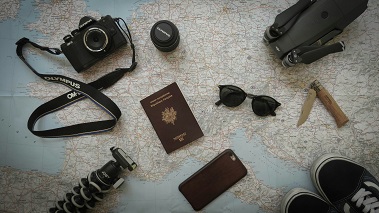
One of the most common mistakes that solo travel make on their first trip is overpacking. The excitement of embarking on a new adventure often leads travelers to stuff their bags with clothes, shoes, gadgets, and numerous other items that are hardly used. Overpacking can quickly turn the thrill of exploration into a cumbersome experience, making it essential to pack light and smart.
When preparing for your journey, consider the duration of your trip and the activities you plan to engage in. Choose versatile clothing that can be mixed and matched, allowing you to create different outfits from fewer items. For instance, a single pair of neutral-colored pants can be paired with various tops to suit different occasions. Additionally, selecting materials that are lightweight and dry quickly can help optimize your packing.
Another effective strategy is to pack based on a layered approach. Pick items that can serve multiple purposes. For example, a scarf can act as a fashion accessory, a blanket, or even a makeshift pillow during long journeys. Toiletries should also be thoughtfully selected; instead of packing full-sized products, opt for travel-sized versions or even solid alternatives to save space and weight.
It is also helpful to organize your belongings with packing cubes or compression bags to make the most of your luggage space. This method not only keeps your bag tidy but also makes it easier to find items when needed. Prioritize what is genuinely necessary for your trip and leave behind those luxuries that could weigh you down.
By striving for a manageable bag filled with essential items, you will facilitate a more enjoyable experience as you navigate unfamiliar environments on your solo travel adventure. Keeping your luggage light helps you move swiftly and confidently, allowing you to focus on the experiences that await.
Safety Precautions for Solo Travelers
When it comes to solo travel, one of the most critical aspects to consider is safety. Ignoring safety precautions can lead to preventable mishaps that may tarnish the experience. Many first-time solo travelers often overlook the importance of researching their destination. Understanding the local customs and cultural norms is essential, as this knowledge can help one navigate potential pitfalls. For instance, a traveler may mistakenly enter a location where their attire is deemed inappropriate, leading to unwanted attention. Taking the time to read up on safety tips specific to the area can ensure a more enjoyable journey.
Additionally, sharing travel itineraries with trusted friends or family members can serve as a significant safety measure. By keeping someone informed about your whereabouts, you ensure that someone is aware of your plans in case of an emergency. This simple precaution can provide a greater sense of security and peace of mind while experiencing new destinations alone. It is equally vital to remain vigilant and aware of your surroundings, especially in crowded areas or unfamiliar neighborhoods.
Real-life anecdotes further underline the importance of adhering to safety practices. For example, a traveler might recount an incident where they avoided a potentially unsafe situation due to their heightened awareness. Such experiences reinforce the notion that being alert and prepared can significantly enhance a solo traveler’s safety. Moreover, incorporating digital safety measures, such as enabling location sharing with a trusted contact, can further bolster one’s security. By adhering to these recommendations and remaining conscious of safety, solo travelers can focus on embracing their adventures without unnecessary anxiety.
Finding the Perfect Balance
One of the most common mistakes travelers make is failing to plan an itinerary, which can lead to missed opportunities and wasted time. However, while having a structured plan is important for maximizing enjoyment during your trip, it is equally essential to remain flexible to embrace spontaneous adventures. The key is achieving a balance that allows freedom while maintaining a sense of direction.
A rigid itinerary can often stifle the exploration aspect of travel. Set plans may limit your ability to discover unique local experiences, interact with locals, or join impromptu events that may arise. For example, you might stumble upon a street festival or a hidden café that isn’t mentioned in any guidebook. Leaving open time slots in your schedule can create opportunities for these delightful surprises, enriching your travel experience significantly.
To achieve this balance, consider creating a flexible itinerary. Start by outlining your main goals for the trip and then allocate time for structured activities, such as tours and must-see sights, alongside designated free time. This strategy allows you to prioritize essential items while still leaving room for exploration and spontaneity. Utilizing travel apps can also enhance this experience; applications like Google Maps and TripIt offer features for real-time updates and itinerary adjustments. Additionally, platforms such as Airbnb Experiences allow travelers to discover local activities and showcases that can be reserved on short notice.
Ultimately, a successful trip combines planning with adaptability. By striking the right balance, you can avoid the common pitfalls of overly rigid travel plans and ensure a more fulfilling and enjoyable journey while still having a roadmap to guide your adventures.
Connecting with Locals and Other Travelers
One of the most significant mistakes solo travel often make is isolating themselves during their journeys. While the allure of solitude can be enticing, particularly for those seeking self-discovery, failing to engage with locals or fellow travelers can result in missed opportunities for richer experiences. Cultivating connections can enhance your travel experience in numerous ways and can often lead to lasting friendships and memorable stories.
To break the ice, consider participating in group activities such as guided tours, cooking classes, or cultural workshops. These environments not only allow you to meet other solo travelers but also provide a platform to interact with locals who can share insights about their culture and community. Engaging in community events, such as festivals or markets, is another excellent way to immerse yourself in the local way of life while also making new acquaintances.
For those who may feel shy or introverted, initiating conversations might feel daunting. However, small gestures—such as asking for directions or recommendations—can be effective conversation starters. Additionally, frequenting communal spaces such as cafés or hostels can increase your chances of meeting other travelers. Utilizing social media platforms, such as travel-focused apps or local event postings, can also facilitate connections with like-minded individuals.
Benefits of sharing your travel experiences with others are manifold. Not only can you gain new perspectives and tips from fellow travelers, but exchanging stories can also enhance your trip. Engaging with locals offers a deeper understanding of their traditions and may lead to unique experiences that are often unavailable in guidebooks. Connecting with others during your solo travel can transform your journey into a more enriching adventure rather than one marked by solitude.