



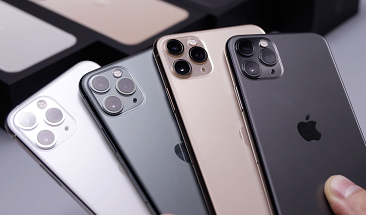
The origins of smartphone evolution can be traced back to the late 1980s when mobile phones began to emerge as a new technology. Initially designed for voice communication, these early devices laid the groundwork for what would eventually evolve into the multifunctional smartphones we rely on today. The term “smartphone” itself gained traction in the late 1990s, as devices like the IBM Simon Personal Communicator debuted with features that included email and basic applications.
In the early 2000s, the landscape began to shift dramatically, with a number of significant innovations. The introduction of smartphones with operating systems, such as Nokia’s Symbian and Microsoft’s Windows Mobile, marked a pivotal moment. These operating systems allowed for the development of applications, which significantly expanded the utility of mobile phones beyond mere communication. This era established the foundation for future devices to integrate various functions, allowing users to connect to the internet, organize files, and manage schedules directly from their pockets.
However, it was not until the release of the iPhone in 2007 that smartphones underwent a complete transformation. Apple’s introduction of the touchscreen interface redefined user interaction and set a new benchmark for smartphone design. The iPhone not only popularized touchscreens but also taught a sizeable audience about the potential of the app store model, paving the way for an expansive ecosystem of applications tailored to diverse consumer needs. As the market responded, other manufacturers quickly adapted, leading to an explosion of devices that catered not just to business professionals but to mainstream consumers.
This accessibility led to the rapid proliferation of smartphones, transforming how individuals used technology in daily life. The rise of smartphones, characterized by ongoing improvements in processing power, camera quality, connectivity, and user experience, has fundamentally shifted societal norms and behaviors, making smartphones an indispensable tool in communication, information sharing, and entertainment.
Current Trends in Smartphone Technology
The smartphone industry has witnessed remarkable advancements over the past few years. These developments have been shaped by key trends that are currently influencing the market, driving both innovation and consumer expectations.
One of the most significant trends is the evolution of camera technology. Today’s smartphones are equipped with multi-lens systems, advanced sensors, and software algorithms capable of producing high-quality images and videos. Features such as night mode, optical zoom, and artificial intelligence enhancements have transformed phone photography, allowing users to capture professional-grade content, significantly impacting social media culture and user interaction.
Another notable trend is the widespread adoption of 5G connectivity. This next-generation wireless technology offers faster download and upload speeds, reduced latency, and improved connection stability. The increase in data transfer capacity is transformative, enabling new applications, such as augmented reality and real-time gaming. As more consumers and businesses embrace 5G, the demand for smartphones compatible with this technology continues to rise.
Moreover, the integration of artificial intelligence (AI) into smartphone functions has revolutionized the user experience. AI-driven features, such as voice assistants, predictive text, and personalized recommendations, enhance usability and streamline tasks, making smartphones indispensable tools. These advancements not only cater to consumer preferences for convenience but also drive engagement and loyalty within the market.
User interface design is also undergoing significant transformation, focusing on enhancing user interactions through intuitive layouts and gesture-based navigation. Companies are exploring new materials and form factors, promoting designs that enhance functionality and aesthetics.
These trends collectively shape consumer behavior, influencing purchasing decisions and brand loyalty. As advancements continue to unfold, they play a crucial role in defining the future landscape of smartphone technology.
Challenges Facing Smartphone Manufacturers
The smartphone evolution industry is currently navigating a myriad of challenges that significantly impact manufacturers’ ability to innovate and compete effectively. One primary concern is market saturation. As most consumers already own smartphones, the demand for new devices has plateaued, making it increasingly difficult for manufacturers to achieve growth. This saturation has led companies to focus on incremental upgrades rather than groundbreaking innovations, which can dilute brand loyalty and consumer excitement.
Additionally, environmental concerns are becoming more prominent in the industry. Many consumers are now demanding sustainable practices, urging manufacturers to adopt eco-friendly materials and production processes. This shift requires significant investment in research and development to create greener technologies, which can strain budgets, especially for smaller companies. Furthermore, the need for responsible recycling and e-waste management is critical, as it adds another layer of complexity to the production cycle.
The smartphone evolution market is also witnessing intensified competition from emerging brands, especially those from regions like Asia and Latin America, which are not only offering lower-cost alternatives but also pushing the boundaries of user experience and technology. These new entrants are capturing market share by appealing to budget-conscious consumers while providing features that rival established brands.
On another front, the global supply chain presents logistical and regulatory challenges that can impede the timely delivery of components necessary for production. Geopolitical tensions, such as trade restrictions and tariffs, can lead to increased costs and uncertainty regarding technology access. Manufacturers must navigate these complexities to maintain a competitive edge in a rapidly evolving marketplace, all while adhering to varying regulations across countries.
The Future of Smartphones: Predictions and Innovations
The future of smartphone evolution promises to be transformative, with numerous innovations on the horizon that are set to redefine our interactions with technology. A significant development anticipated in the coming years is the proliferation of foldable and flexible technology. This innovation allows smartphones to possess multiple form factors while maintaining portability. For instance, devices that can be folded into a compact size will not only enhance user convenience but also open avenues for innovative applications and services that leverage this flexibility.
Alongside physical design changes, augmented reality (AR) and virtual reality (VR) integration are likely to become standard features in future smartphone evolution. By harnessing these technologies, smartphones will evolve from mere communication tools to immersive devices that can offer virtual experiences tailored to each user’s environment. AR could enable enhanced navigation systems or interactive educational tools, while VR integration may lead to groundbreaking gaming and social experiences. As these technologies mature, their incorporation into smartphones is expected to provide users with more engaging and meaningful interactions.
Furthermore, advancements in artificial intelligence (AI) are anticipated to make smartphones even smarter. Future devices may employ AI to personalize user experiences beyond current capabilities, predicting user needs, automating tasks, and enhancing security features. This evolution could foster a seamless interaction between human users and their devices, making smartphones an integral part of daily life like never before.
Lastly, we can expect dramatic shifts in hardware design, moving towards sleeker, more sustainable materials. With a growing emphasis on environmental responsibility, manufacturers may focus on recyclable materials and energy-efficient components, aiming to reduce the ecological footprint of smartphones.
Experts predict that these innovations will not only enhance functionality but also redefine user experiences, leading to a more integrated digital lifestyle where smartphones play a vital role as central hubs of connectivity and productivity.