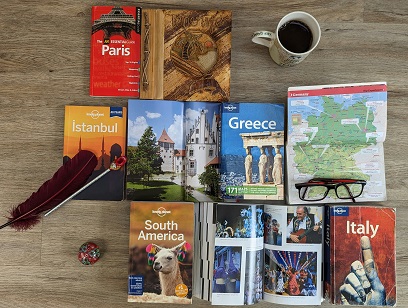
Solo travel benefits is increasingly becoming a preferred choice among adventurers, particularly for beginners looking to explore the world on their own terms. The essence of solo travel lies in the freedom it offers; it allows individuals to craft their journeys without the influence or constraint of companionship. This aspect of independence fosters a deep sense of personal growth, as travelers engage intimately with their environments, make spontaneous decisions, and embrace the challenges of navigating unfamiliar territories alone. For many, the initial idea of traveling solo can be daunting. Common misconceptions often suggest that solo travel is only for the brave or that it entails a heightened risk of danger. However, these fears can be mitigated through careful planning and preparation. In fact, many solo travelers report feeling empowered and invigorated by their journeys, citing increased self-confidence and enhanced problem-solving skills. It is imperative for beginners to acknowledge that these adventures are entirely manageable and enjoyable.
Moreover, solo travel provides an unparalleled opportunity for introspection and self-discovery. When one is on their own, they can devote time to personal reflection and engage in activities that resonate with their interests. Whether it’s wandering through a historic city or hiking a remote trail, experienced solo travelers often recommend seizing the moment to connect with one’s surroundings without distractions.
As we explore further into this guide, we will address vital preparations for embarking on a solo journey, including safety tips, destination recommendations, and strategies for overcoming cultural barriers. By understanding the nuances of solo travel, beginners can transition from apprehension to excitement, ultimately enriching their lives through unique experiences and newfound independence.
Benefits of Traveling Solo
Traveling solo is an enriching experience that offers numerous benefits for individuals looking to explore the world independently. One of the primary advantages is the significant boost in self-confidence that often accompanies solo travel. Without the comfort of companionship, travelers face challenges head-on, from navigating unfamiliar streets to overcoming language barriers. For instance, a traveler named Sarah shared her experience of getting lost in Paris but ultimately finding her way and embracing the adventure, which led to newfound confidence in her problem-solving abilities.
Another vital benefit of solo travel is the opportunity to meet new people. When traveling alone, individuals are often more open to interaction, which greatly increases the chances of forming connections. Whether it’s striking up a conversation with a fellow traveler at a hostel or sharing a meal with a local in a small town, these interactions can lead to valuable friendships and cultural exchanges. James, another solo traveler, recounts how he met a group of like-minded adventurers while hiking in Costa Rica, and they still keep in touch even after returning home.
Furthermore, traveling solo presents an unparalleled opportunity for self-discovery. This time spent alone allows individuals to reflect on their thoughts, values, and aspirations without the distractions of daily life or the influence of travel companions. Engaging in solo activities, such as journaling or hiking, can help travelers connect with their inner selves. Maria, who traveled solo through Southeast Asia, mentioned that the experience helped her realize the importance of pursuing her passions and dreams, leading to significant personal growth.
In summary, the benefits of traveling solo are manifold, ranging from increased self-confidence and rich interactions with others to profound self-discovery. These experiences can profoundly impact one’s perspective and personal development, leaving travelers with lifelong memories and insights.
Planning Your Solo Trip: Essential Steps
When embarking on your journey as a solo traveler, meticulous planning is key to ensuring a smooth and rewarding experience. The first step in planning your solo trip is to choose a destination that aligns with your interests and safety preferences. Consider destinations known for their welcoming atmosphere towards solo travelers, such as major cities with established tourist infrastructure or regionally rich cultures that encourage exploration.
Once you have selected your destination, the next essential step is to make the necessary reservations. Booking accommodations in advance is crucial, especially in peak travel seasons. Consider options that cater specifically to solo travelers, such as hostels or boutique hotels that offer communal experiences, which can facilitate meeting other like-minded adventurers.
Researching local cultures and customs is another vital part of the planning process. Understanding the cultural norms and etiquette of your chosen destination can enhance your experience and help you navigate new social settings with confidence. Familiarize yourself with key phrases in the local language; even basic greetings can go a long way in connecting with locals and enriching your solo journey.
Creating a well-structured itinerary will aid significantly in organizing your trip. While spontaneity adds excitement to travel, having a basic outline of daily activities can help ensure that you visit key attractions, try local cuisines, and participate in unique experiences specific to the location. Additionally, allow some free time in your schedule for relaxation or unexpected adventures that may arise.
As you plan your solo trip, make use of various travel resources and apps that can aid in navigation and itinerary management. These tools can help optimize your experience, keeping you informed and safe throughout your travels.
Safety Tips for Solo Travelers
When embarking on a solo travel adventure, safety should be at the forefront of your mind. For beginners, understanding safety measures can enhance not only your confidence but also your overall experience. One of the first steps is to choose your accommodations wisely. Opt for reputable hotels or hostels with good reviews. Websites that focus on traveler experiences often contain insightful information about the safety and security of various lodgings. Additionally, consider staying in areas that are well lit and have a good local presence of other tourists.
Transportation choices are equally critical. Familiarize yourself with public transport options available in your destination, while also being cautious with rideshare services. Ensure that you have the contact information of reliable taxi services, especially in places where rideshare apps may not be as prevalent. It is advisable to share your travel itinerary with a friend or family member to keep them updated about your whereabouts.
Remaining aware of your surroundings is vital when traveling alone. This includes trusting your instincts; if a situation feels uncomfortable or unsafe, take steps to remove yourself from it. Observing local customs and following local laws not only shows respect but can also provide insights into safe behaviors within a culture. Always keep your belongings secure and, when possible, use anti-theft bags.
Having emergency contacts established before your trip can make a difference if unforeseen situations arise. Research local emergency numbers and save them in your phone. Additionally, consider downloading travel safety apps that can assist in managing potential emergencies. By taking these steps, solo travelers can significantly mitigate risks and focus on immersing themselves in the joys of their travels.
Packing Essentials for Solo Travel
When embarking on a solo travel adventure, particularly as a beginner, having the right packing essentials can significantly enhance your experience. The goal is to travel light while ensuring you have everything needed for a safe and enjoyable journey. Here are some key items to include in your travel pack.
Clothing: Begin with selecting versatile clothing that can be easily mixed and matched. Neutral colors can help in creating multiple outfits. Breathable fabrics are ideal, especially for warmer destinations, while layers are crucial for varying climates. A lightweight waterproof jacket can add an extra layer of protection against unexpected weather. Don’t forget comfortable footwear, as you may find yourself walking extensively.
Travel Documents: Always carry essential travel documents, including your passport, tickets, and insurance information. A travel wallet can help keep these items organized and secure. Additionally, it is wise to have photocopies of critical documents stored separately in case of loss or theft.
Personal Safety Items: Safety should be a top priority while traveling alone. Consider packing a personal safety alarm, a whistle, or a pepper spray, depending on the destination’s regulations. A first-aid kit containing basic medical supplies can also provide peace of mind during your travels.
Packing Light Tips: To minimize weight, consider using packing cubes to organize items effectively, allowing you to compress your clothing. A good rule of thumb is to limit yourself to one or two travel-sized toiletries and use online services for laundry if needed. Remember, it’s easier to carry fewer items and enjoy the spontaneity of solo travel.
Choosing the right packing essentials can make a notable difference in your solo travel experience, allowing you to focus on the journey ahead rather than the weight of your luggage. Each carefully selected item contributes to a smoother adventure, empowering you to explore the world with confidence.
Budgeting for Your Solo Adventure
Embarking on a solo adventure necessitates careful budgeting to ensure an enjoyable and financially manageable experience. The first step in effective budgeting is creating a comprehensive travel budget. Begin by estimating the total costs, which should include transportation, accommodations, meals, activities, and an emergency fund. This initial framework will guide your financial decisions throughout the trip.
When it comes to accommodations, seek out affordable options that fit within your budget. Depending on your preferences and destinations, you might consider hostels, budget hotels, or even vacation rentals. Websites and apps specializing in finding budget accommodation can be particularly useful. Moreover, consider alternative lodging, such as couch surfing or house swapping, which can provide both savings and local insights.
Managing daily expenses is another key component of budgeting for solo travel. To keep your spending in check, allocate a specific amount for food, transportation, and activities each day. Be mindful of costs by researching local prices for meals and transportation or using public transportation instead of taxis whenever possible. Additionally, look into eateries offering local cuisine at reasonable prices, as this not only saves money but also enriches your travel experience.
Utilizing travel apps can significantly enhance your budgeting efforts while traveling alone. Many apps allow users to track expenses in real-time, making it easier to stay within budget. Furthermore, certain apps can help you find deals on accommodations and activities, empowering you to make well-informed decisions effectively. By carefully planning, managing your daily expenses, and leveraging technology, you can enjoy your solo trip without financial stress.
Connecting with Others While Traveling Alone
Traveling solo presents a unique opportunity for self-discovery and personal growth, but it does not have to mean isolation. In fact, connecting with others can enhance your travel experience, and there are numerous ways to do this effectively. Below are several methods to foster connections during your solo journeys.
One of the most effective strategies for meeting new people is to join group tours. These organized excursions allow solo travelers to bond over shared experiences, whether it’s exploring a historical site or engaging in outdoor activities. Many tour companies cater specifically to solo travelers, offering planned itineraries that promote interaction among participants. This environment not only provides learning opportunities but also adds an element of camaraderie to your travels.
Another excellent way to connect with locals and fellow travelers is to attend social events. Many destinations host community gatherings, such as festivals, local markets, or workshops. Participating in these events can immerse you in the local culture and provide a natural setting for meeting others. Engaging in activities that interest you—like cooking classes, dance lessons, or art sessions—offers a chance to interact while pursuing your passions.
Utilizing travel apps can also facilitate connections while traveling alone. Apps designed for social engagement, such as Meetup or Couchsurfing, allow you to find and attend events happening nearby, connect with other travelers, and even arrange social meet-ups. These platforms often highlight various interests and activities that align with your travel plans, fostering connections in a casual and friendly manner.
While embracing the essence of solo travel, remember that human interaction enriches the journey. Whether through structured tours, local festivities, or social platforms, there are myriad ways to connect with others that can turn a solitary adventure into a shared experience, enhancing both your travels and personal growth.
Handling Challenges During Solo Travel
Embarking on a solo journey can be a thrilling yet daunting experience, particularly for those unfamiliar with independent travel. One of the primary challenges travelers may face is the potential for loneliness. The absence of familiar company can intensify feelings of isolation, especially during long stretches of travel. To mitigate such feelings, it’s crucial to engage with local cultures, whether by participating in group tours, attending events, or connecting with fellow travelers in hostels or online platforms. These interactions can enrich the journey and provide valuable companionship.
Another challenge that solo travelers often encounter is dealing with unexpected changes in their travel plans, such as flight cancellations or sudden closures of attractions. To remain adaptable in these situations, it is advisable to maintain a flexible itinerary and always have a backup plan. Researching alternative destinations or activities in advance can help in overcoming last-minute changes while ensuring the trip continues smoothly.
Additionally, safety concerns are paramount when traveling alone. It is important to remain vigilant and aware of one’s surroundings, especially in unfamiliar territories. Making use of technology—such as travel apps that provide information about safe routes, emergency contact numbers, and local customs—can significantly enhance safety. Communicating frequently with family or friends can also provide reassurance and aid in managing potential travel risks.
Finally, maintaining a positive mindset is key to enjoying your solo adventure. Practicing mindfulness can help travelers appreciate their experiences and remain grounded during difficult times. Keeping a travel journal may also provide an outlet to reflect on the highs and lows encountered along the way, thereby fostering resilience. All these strategies can empower solo travelers to successfully navigate challenges, ensuring a fulfilling and enriching journey.
Conclusion and Encouragement for Beginners
Embarking on a solo travel journey can be an incredibly rewarding experience, allowing individuals to explore new destinations while fostering personal growth and self-discovery. As we conclude this guide for beginners in 2026, it is essential to highlight the many benefits of traveling alone. From developing confidence to enhancing decision-making skills, solo travel opens doors to unique opportunities that group travel may not provide.
Many first-time solo travelers may feel apprehensive about stepping out of their comfort zones, but it is important to remember that every great adventure begins with just a single step. A well-planned trip can lead to experiences that profoundly impact one’s life. As renowned travel writer Pico Iyer once said, “We travel to open our hearts and eyes and learn more about the world than our newspapers will accommodate.” This emphasizes the importance of gaining new perspectives through travel.
Encouragement comes in many forms, and hearing the stories of others who successfully navigated their solo experiences can serve as a powerful motivator. For instance, author Elizabeth Gilbert stated, “To travel is worth any cost or sacrifice.” This sentiment embodies the spirit of exploration that greets any traveler who embarks on the journey alone.
In addition to these motivational insights, it is crucial to remind beginners that embracing affected vulnerability can lead to significant growth. Solo travel empowers individuals to connect with local cultures, build new friendships, and create memories that are truly their own. Therefore, before taking that leap, ensure that you are well-prepared, informed, and ready to embrace the unexpected.
Ultimately, the world awaits those brave enough to explore it alone. As you consider planning your first solo trip, reflect on the potential for adventure and personal development that lies ahead. Your journey may just be the beginning of a transformative experience that shapes your identity and broadens your horizons.