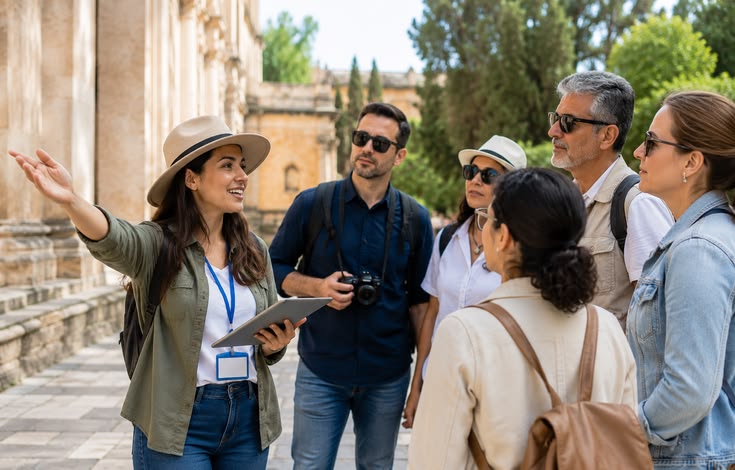
Travel offers more than a chance to visit new places. It allows people to experience different cultures, discover unfamiliar traditions, try new foods, and understand the world from different perspectives. Whether someone takes a weekend trip to a nearby town or plans a long international vacation, thoughtful preparation can make the experience more enjoyable.
A memorable journey does not always depend on expensive hotels or a packed itinerary. Often, the most meaningful moments come from exploring local neighborhoods, meeting people, enjoying nature, and taking time to appreciate the surroundings.
With a little planning and an open mind, travelers can create experiences that remain special long after they return home.
Choose a Destination That Matches Your Interests
Before booking transportation or accommodation, think about what you want from your trip. Some travelers enjoy historical landmarks and museums, while others prefer beaches, mountains, food experiences, or outdoor adventures.
Choosing a destination that matches your interests helps you spend your time on activities you genuinely enjoy. It can also make planning easier because you will have a clearer idea of what to see and do.
Consider practical factors such as weather, transportation, local costs, and the amount of time available. A destination that looks attractive in photographs may require more travel time or planning than expected.
If you have only a few days, choose a location where you can explore comfortably without spending most of your trip traveling between attractions.
Research local customs and seasonal conditions before making a final decision. A little preparation can help you avoid unnecessary surprises.
Create a Flexible Travel Plan
Planning helps travelers manage their time, but an overly crowded itinerary can make a vacation feel stressful. Instead of scheduling every hour, identify a few activities that matter most and leave space for unexpected discoveries.
For example, you might plan to visit a major attraction in the morning, explore a local market in the afternoon, and enjoy a relaxed dinner in the evening.
Keep travel distances in mind when selecting activities. Visiting several locations in the same neighborhood may be easier than crossing an entire city multiple times.
Check opening hours, transportation options, and reservation requirements before leaving. Popular attractions may require advance booking, particularly during busy travel seasons.
At the same time, remain open to changing your plans. You may discover a small museum, a beautiful park, or a local event that was not included in your original schedule.
A flexible plan gives you structure without removing the freedom to explore.
Experience Local Culture and Traditions
One of the most rewarding aspects of travel is learning how people live in different places. Local food, music, architecture, festivals, and everyday customs can reveal details that are easy to miss when visiting only famous attractions.
Try traditional dishes when possible and learn a little about the ingredients or history behind them. Visiting local markets can also provide insight into regional products, crafts, and daily routines.
Respect local customs, especially when visiting religious sites or culturally significant locations. Dress appropriately where required, ask permission before photographing people, and follow posted instructions.
Learning a few basic words in the local language can make simple interactions more enjoyable. Even a greeting or expression of thanks can show consideration for the people you meet.
Approach unfamiliar traditions with curiosity rather than judgment. Travel becomes more meaningful when it encourages understanding and respect.
Travel on a Realistic Budget
A memorable trip does not need to be expensive. The key is to understand your priorities and allocate money accordingly.
Start by estimating the main costs, including transportation, accommodation, meals, activities, and local travel. Keep an additional amount available for unexpected expenses.
Compare accommodation options based on location, safety, transportation access, and overall value rather than price alone. A cheaper room far from the places you want to visit may increase transportation costs.
Look for free or low cost activities such as public parks, walking routes, community events, and selected museums. Many destinations offer enjoyable experiences that do not require expensive tickets.
Eating at local restaurants can also help you discover regional food while providing alternatives to costly tourist areas. Check menus and prices before ordering if you are managing a strict budget.
For additional inspiration on travel, culture, entertainment, and modern lifestyle topics, explore travel and lifestyle stories.
Pack Carefully and Travel Light
Packing can influence how comfortable your journey feels. Carrying too much luggage may make it harder to move between transportation stations, hotels, and attractions.
Check the weather forecast and prepare clothing that suits the expected conditions. Choose items that can be combined into different outfits instead of packing separate clothes for every activity.
Keep essential documents, medications, chargers, and other important belongings organized. Store copies of important travel information securely in case the originals are lost.
A small day bag can be useful for carrying water, a light jacket, identification, and other items needed during excursions.
Before leaving, check the baggage rules of your airline or transportation provider. Requirements can vary, particularly for liquids, luggage dimensions, and carry on weight.
Packing thoughtfully reduces unnecessary stress and gives you more freedom to enjoy the journey.
Capture Memories Without Missing the Experience
Photographs and videos help preserve travel memories, but spending every moment behind a camera can distract you from the experience itself.
Take pictures of important places, special meals, and memorable activities, then put your phone away for a while. Pay attention to sounds, smells, architecture, and conversations around you.
You can also keep a short travel journal. Write down interesting details, unexpected discoveries, or something new you learned during the day.
Collecting small, permitted souvenirs such as postcards, local crafts, or tickets can provide another way to remember your trip.
Always respect photography restrictions and people’s privacy. Some locations do not permit photography, and not everyone wants to appear in someone else’s pictures.
The purpose of recording a journey is to preserve meaningful experiences, not to document every minute.
Make Safety Part of Your Preparation
Travel safety begins before departure. Research your destination, understand local transportation options, and learn which areas or situations require additional caution.
Keep your belongings secure in crowded places and avoid displaying large amounts of cash. Use trusted transportation providers and confirm the details of your accommodation before arrival.
Save important contact information, including your accommodation details and relevant emergency numbers. If traveling internationally, check entry requirements, travel advisories, and any necessary insurance arrangements.
Be careful when using public WiFi for sensitive activities. Avoid entering important account information on unfamiliar networks unless you have appropriate security protections.
You should also allow enough time to reach airports, train stations, and other transportation points. Rushing can create avoidable problems and make the beginning or end of a trip unnecessarily stressful.
Leave Time for Rest and Spontaneous Discoveries
Travel can involve long walks, unfamiliar surroundings, and changes in routine. Trying to visit every attraction may leave you exhausted before the trip ends.
Include breaks in your schedule and allow yourself to enjoy simple activities without a strict objective. Sitting in a park, enjoying a local coffee, or watching the sunset can become some of the most memorable parts of a journey.
Rest is especially important when traveling with children, older family members, or people with different activity levels.
If something unexpected changes your plans, treat it as an opportunity to adjust rather than a reason to become frustrated. A delayed activity may lead you to discover another interesting place nearby.
Conclusion
Meaningful travel comes from thoughtful planning, cultural curiosity, responsible spending, and a willingness to experience places at your own pace. Expensive activities are not the only way to create lasting memories. Local conversations, unfamiliar foods, beautiful landscapes, and unexpected discoveries can be equally valuable.
Choose destinations that match your interests, prepare for practical needs, and leave room for flexibility. Most importantly, pay attention to the experience instead of focusing only on the number of places you visit.
With the right balance of preparation and curiosity, every journey can become an opportunity to learn, relax, and create memories that last.