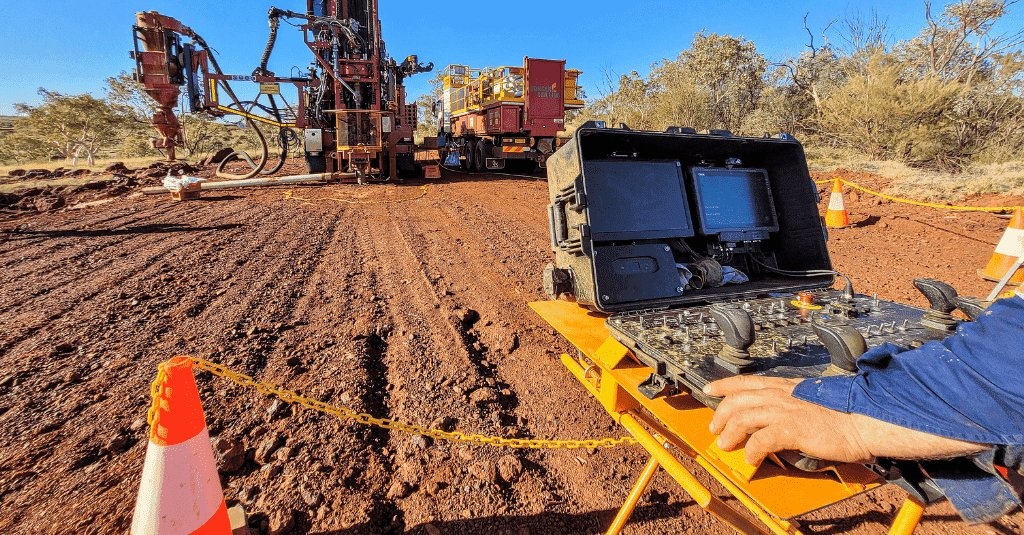
Mining remains one of the world’s most vital yet hazardous industries, providing raw materials that fuel economies while presenting complex risks. From underground extraction to open-pit excavations, the unique challenges of the sector demand a steadfast commitment to safety. Implementing robust safety measures is not only a moral and legal obligation but also an operational necessity that enhances efficiency and fosters trust within the workforce. By adopting a comprehensive approach to risk management, mining companies can protect their most valuable assets—their people.
Comprehensive Risk Assessment
The foundation of any secure operation is a thorough risk assessment performed before activities begin. This proactive process involves identifying potential hazards such as terrain instability, equipment limitations, and environmental factors like gas buildup.
- Hazard Identification: Evaluate site-specific risks, including rock falls, explosions, and exposure to hazardous substances.
- Workflow Analysis: Analyze the processes for extraction, transportation, and storage to uncover hidden dangers.
- Continuous Updates: Risk assessments must be living documents, updated regularly to reflect changing geological conditions or new operational phases.
Involving workers in this process is critical, as their firsthand knowledge of daily tasks provides invaluable insights into potential hazards.
Education and Rigorous Training
A well-trained workforce is the most critical component of a safe mine. Training should be role-specific, ensuring that every employee—from new recruits to seasoned veterans—understands the protocols relevant to their tasks.
Comprehensive programs should cover hazard recognition, proper handling of explosives, and first aid. Regular refresher courses are essential to keep workers updated on evolving technologies and safety regulations. Furthermore, practical exercises like emergency drills and simulations prepare teams to respond effectively to crises such as fires or cave-ins.
Personal Protective Equipment (PPE)
Personal protective equipment serves as the primary line of defense for miners against physical and environmental hazards. The selection of gear must be tailored to the specific risks of the site.
- Head and Eye Protection: Helmets and goggles protect against falling debris and high-intensity lighting.
- Respiratory Safeguards: Masks and respirators are crucial in environments with harmful dust or toxic gases.
- Protective Clothing: Steel-toed boots, high-visibility vests, and chemical-resistant clothing shield workers from physical injuries and exposure.
All PPE must be regularly inspected for wear and tear, and workers should be trained on its correct use to maximize protection.
Maintenance and Equipment Safety
Heavy machinery is central to mining, but poorly maintained equipment is a leading cause of workplace accidents. Mining companies must implement strict maintenance schedules to prevent sudden malfunctions.
Routine inspections of safety features, such as emergency shutoffs and load indicators, ensure that machinery operates within safe limits. Operators should perform daily pre-shift checks to identify potential problems early. By strictly adhering to these protocols, companies prevent mechanical failures in mining equipment that could lead to serious injury or costly operational downtime.
Critical Systems and Communication
Effective communication and environmental management are essential for coordinating safe operations in complex mining environments.
Ventilation and Air Quality
Underground sites must prioritize air quality. Dedicated ventilation systems ensure a constant supply of fresh air and control levels of methane and carbon monoxide. Real-time gas detectors provide early warnings, allowing for timely intervention before conditions become lethal.
Reliable Communication Tools
Clear communication minimizes confusion during critical tasks. Utilizing reliable tools such as two-way radios, digital tracking systems, and standardized signaling ensures everyone on site stays connected. Establishing pre-determined emergency signals ensures that the entire team knows how to react instantly to potential crises.
Fostering a Culture of Safety
Safety measures are most effective when they are integrated into the organizational culture. This requires commitment from leadership to prioritize safety over productivity, demonstrating that worker well-being is the top priority.
An environment that encourages open dialogue allows employees to report hazards or near-misses without fear of reprisal. Recognizing and rewarding teams that consistently adhere to safety protocols further reinforces positive behavior. When safety becomes a shared responsibility, the entire operation benefits from reduced risks and a more empowered workforce.
In Conclusion
Managing the inherent risks of mining requires a multifaceted, proactive approach. By combining comprehensive training, diligent equipment maintenance, and a robust safety culture, mining operators can successfully protect their teams while maintaining a productive and efficient site. Prioritizing safety is not just a standard—it is the foundation for the industry’s long-term success.