We have all experienced a frustrating appointment. You show up on time, only to spend twenty minutes balancing a clipboard on your knees in a crowded waiting room. When you finally make it back to the exam room, the provider spends half the visit staring at a computer screen, reviewing your background, or gathering tools they didn’t realize they needed.
By the time the actual consultation or procedure begins, everyone feels rushed, distracted, and exhausted.
This scenario isn’t caused by a lack of clinical skill or poor intentions. It is the natural result of an unplanned workflow. When administrative details, diagnostic reviews, and procedural setup are left until the patient is physically sitting in the chair, friction is guaranteed.
Shifting the workload from real-time execution to preparation transforms the entire dynamic. Here is how better planning creates better, smoother, and more efficient visits for patients and care teams alike.
How Planning Improves Visits: The Direct Answer
Better planning creates better visits by resolving administrative, diagnostic, and technical tasks before the appointment starts. This approach eliminates waiting room delays, reduces physical discomfort, shortens appointment times, and allows providers to give their full, undivided attention to patient care.
When a visit is built on thorough prep work, the in-person appointment becomes purely about execution and genuine human connection.
1. Streamlining Administrative Friction Through Digital Pre-Intake
The first impression of any visit happens long before the patient walks through the front door. Forcing people to complete paper forms upon arrival creates an immediate bottleneck in the reception area and pushes the daily schedule behind.
Modern clinics prioritize proactive pre-visit patient preparation by sending secure digital intake links directly to patients’ smartphones or computers days before the appointment.
Completing health histories, insurance verification, and consent forms at home yields several crucial benefits:
- Faster Entry: Patients step into the office knowing their administrative check-in is complete.
- Accurate Data: People enter medical details far more accurately at home than when trying to remember dates and medications under pressure in a lobby.
- Uninterrupted Schedules: Front-desk staff verify insurance coverage in advance, preventing unexpected financial billing surprises on the day of care.
2. Using Digital Diagnostics to Eliminate On-the-Fly Decisions
In traditional medical and dental setups, providers often capture scans or X-rays and immediately attempt to analyze them while the patient waits in the chair. This creates uncomfortable silence and forces the practitioner to make complex diagnostic decisions under time constraints.
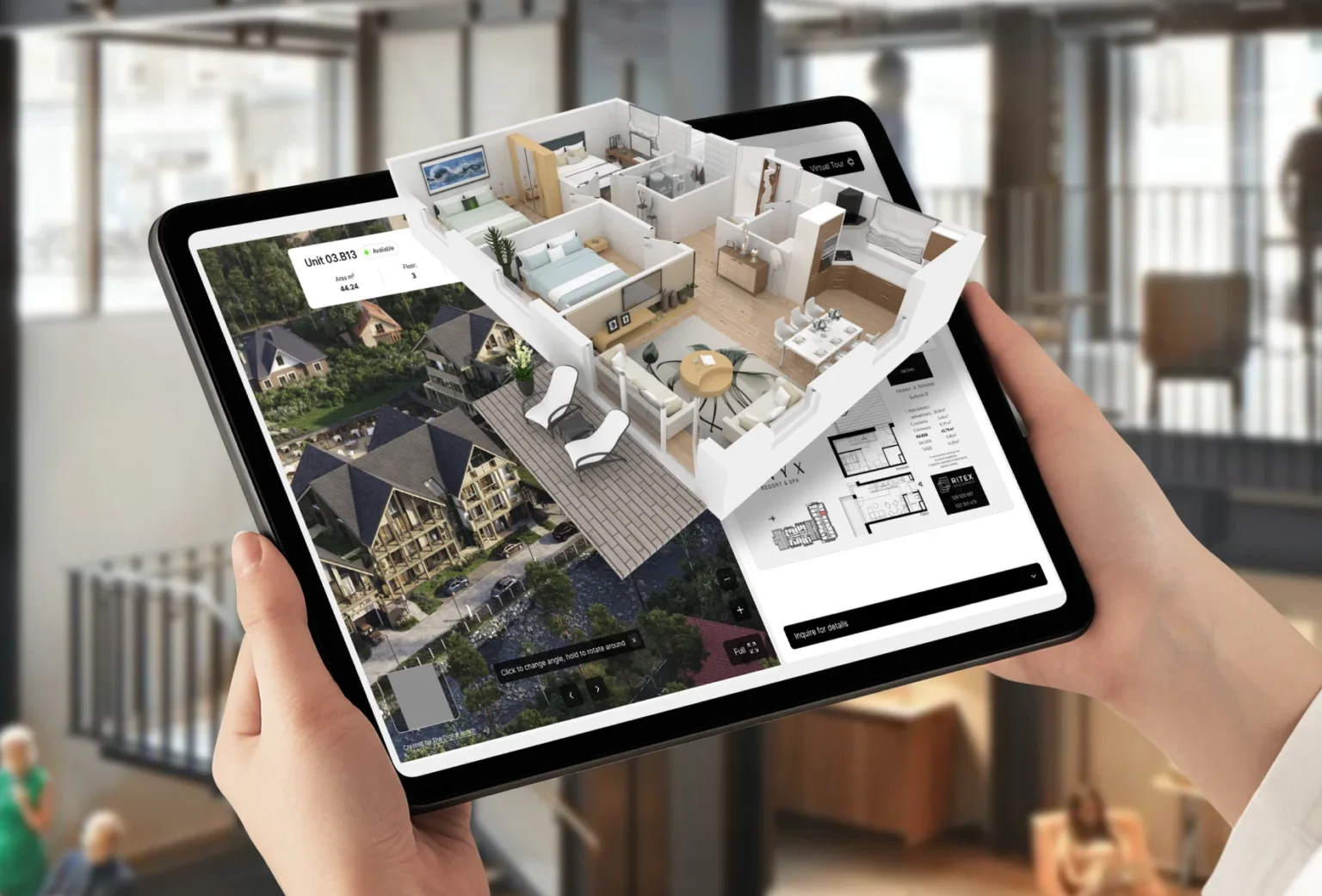
Leveraging digital treatment planning shifts this analysis behind the scenes. Using high-resolution 3D digital scans, providers study anatomical structures, measure surface topographies, and model potential treatment paths before the patient ever arrives.
By evaluating the unique challenges of a case in advance, the clinician enters the room with a clear, validated treatment roadmap. They don’t need to pause to figure out the next step; they simply explain the plan and execute it smoothly.
3. Offloading Chairside Labor Through Guided Systems
In specialized fields like dentistry and orthodontics, physical chair time is one of the primary drivers of patient fatigue and anxiety. Holding one’s mouth open for long periods while a provider performs tedious manual tasks creates significant physical discomfort.
Orthodontic practices provide a clear example of how pre-planning elevates the clinical experience. Traditionally, placing individual brackets on teeth required a practitioner to visually estimate placement manually for every single tooth during a live appointment.
Advanced digital workflows solve this problem through indirect bonding systems. Clinicians use 3D software to plan exact bracket locations on a digital model of the patient’s teeth days in advance. Custom transfer trays are then created to hold the hardware in precise alignment. When the patient arrives, the clinical step of bonding braces takes a fraction of the traditional time, as the entire arch is placed simultaneously.
This dramatic clinical chair time reduction turns what used to be a long, exhausting procedure into a fast, comfortable visit.
Unplanned vs. Pre-Planned Visits: An Operational Overview
| Visit Factor | The Unplanned Approach | The Pre-Planned Approach |
| Arrival Experience | Paper clipboards & long waiting times | Fast, digital check-in & immediate entry |
| Provider Focus | Split between paperwork, screens, & care | 100% focused on patient communication |
| Chair Time | Long, exhausting procedure windows | Short, highly focused clinical execution |
| Patient Anxiety | High due to uncertainty and delays | Low due to clear expectations and speed |
| Workflow Stress | Constant schedule delays for staff | Calm, predictable, on-time daily flow |
4. Building Patient Trust Through Visual Transparency
When visits feel chaotic or rushed, patients naturally feel anxious about their care. They worry that details are being overlooked or that decisions are being made on the fly.
Thorough planning gives providers the mental space and time to communicate clearly. Because the clinician isn’t scrambling to review paperwork or prep tools during the visit, they can pull up 3D visual models on screen and walk the patient through their care step by step.
Showing a patient a clear visual simulation of their current condition alongside the projected outcome turns a confusing clinical explanation into an engaging, collaborative conversation. When patients see that their provider has thoughtfully planned every step of their visit, their confidence and trust grow naturally.
Common Pre-Visit Planning Mistakes to Avoid
While shifting work ahead of time is highly effective, care teams should avoid these common planning errors:
- Overwhelming the Patient: Sending lengthy, overly complex digital forms all at once can intimidate patients. Keep digital pre-intake simple, mobile-friendly, and easy to complete.
- Failing to Review Data Pre-Visit: Digital intake is useless if the provider doesn’t look at the information before walking into the room. Always conduct a quick two-minute review of the patient’s file prior to entry.
- Ignoring Patient Preferences: Pre-planning should never make care feel rigid or impersonal. Always leave time during the visit to listen to the patient’s questions and adapt to their comfort level.
Frequently Asked Questions
Does pre-visit planning increase the overall workload for practice staff?
No. Pre-visit planning redistributes the existing workload into calmer, non-clinical windows. Staff spend less time managing real-time chaos, answering panicked intake questions, and handling scheduling delays, resulting in a much more organized daily workflow.
How does advance digital planning improve treatment predictability?
By evaluating 3D digital scans and virtual models before a procedure, practitioners identify structural challenges, spatial limitations, and anatomical variations early. Resolving these issues virtually prevents unexpected complications during physical appointments.
Conclusion
A successful appointment is never an accident; it is the direct result of intentional preparation. By moving administrative paperwork online, utilizing 3D digital diagnostic planning, and adopting guided clinical workflows, modern practices remove the friction points that make visits stressful. Better planning respects everyone’s time, lowers physical discomfort, and allows providers to deliver focused, high-quality care. When preparation becomes the standard, every visit becomes a better experience.