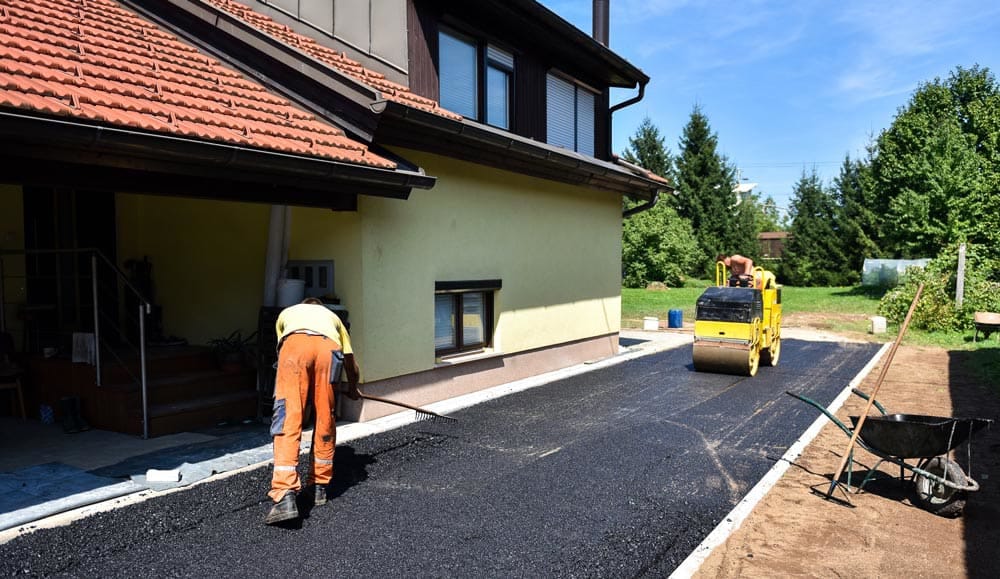
A well-maintained driveway improves the appearance, accessibility, and functionality of a residential property. Whether homeowners are building a new driveway or replacing an existing surface, choosing the right paving material is an important decision. Residential asphalt paving is a popular option because it offers a smooth finish, practical durability, and relatively straightforward maintenance.
Asphalt driveways are suitable for many residential settings, including private homes, townhouses, and properties with long access roads. When properly designed and installed, an asphalt surface can provide dependable performance while complementing the surrounding landscape. Understanding the installation process, benefits, maintenance requirements, and cost considerations can help homeowners make informed paving decisions.
What Is Residential Asphalt Paving?
Residential asphalt paving involves constructing or resurfacing driveways and other household access areas using an asphalt mixture. This material generally consists of aggregates such as crushed stone, sand, and gravel combined with asphalt binder.
The mixture is heated, transported to the project location, spread across a prepared surface, and compacted using appropriate equipment. Once installed and allowed to cool, it forms a firm and relatively smooth driving surface.
Asphalt is commonly used for residential driveways because it can accommodate everyday vehicle traffic and different driveway layouts. It can also be installed in various shapes and sizes to match the property’s available space.
Benefits of Choosing an Asphalt Driveway
One of the main advantages of asphalt paving is its practical combination of durability and flexibility. A properly constructed driveway can support regular vehicle movement while accommodating normal changes in temperature and environmental conditions.
Smooth and attractive appearance: Asphalt creates a consistent, dark surface that gives residential driveways a neat and finished appearance. Its clean look can complement different architectural styles and landscaping designs.
Efficient installation: Asphalt paving projects can often be completed relatively quickly compared with some alternative paving methods. The actual schedule depends on driveway size, site preparation, weather, and project complexity.
Flexible surface: Asphalt has some flexibility, which can help it accommodate minor movement in the underlying ground. Proper base preparation remains essential to reduce the risk of cracking and deformation.
Practical maintenance: Routine inspections, crack repairs, cleaning, and appropriate sealcoating can help maintain an asphalt driveway over time.
Versatile applications: Asphalt can be used for residential driveways, private access roads, parking areas, and other paved spaces around a home.
Understanding the Residential Asphalt Installation Process
Quality installation begins before the asphalt mixture arrives at the property. Proper planning and preparation help create a stable foundation and support long-term surface performance.
- Site Inspection and Planning
The contractor first evaluates the proposed driveway area. This may include measuring the site, examining the existing surface, identifying drainage concerns, and checking access requirements.
The design should account for vehicle movement, driveway dimensions, slopes, and connections to garages or public roads. Proper drainage planning is especially important because standing water can contribute to pavement deterioration.
- Excavation and Ground Preparation
For a new driveway, the contractor may need to remove soil, vegetation, old pavement, or unsuitable materials. The excavation depth depends on soil conditions, expected traffic, and the intended pavement structure.
The exposed ground should be properly graded and compacted. Weak or unstable areas may require additional preparation before the base layer is installed.
- Installing the Aggregate Base
A stable base is essential for a durable asphalt driveway. Contractors typically install a layer of suitable crushed aggregate and compact it to create a firm foundation.
The base helps distribute vehicle loads and supports the asphalt layer above it. Its thickness and composition should be selected according to site conditions and expected use.
- Applying the Asphalt Mixture
Once the base is ready, the asphalt mixture is delivered and placed across the prepared area. Contractors use paving equipment or suitable manual methods depending on the size and layout of the driveway.
The mixture must be spread evenly to achieve the planned thickness and surface profile. Consistent placement helps avoid uneven areas that could affect drainage or vehicle movement.
- Compaction and Finishing
Compaction is a critical part of asphalt installation. Rollers or other appropriate equipment compress the material to achieve the required density and create a smooth surface.
Contractors also finish the edges and connections to existing pavement or garage entrances. Proper finishing contributes to both appearance and performance.
Factors That Influence Asphalt Paving Costs
The cost of residential asphalt paving varies according to several project-specific factors. Driveway dimensions are an obvious consideration because larger areas require more material, labor, and equipment time.
Other important factors include:
- Existing surface condition: Removing old pavement or repairing damaged areas can increase preparation costs.
- Soil stability: Weak ground may require additional excavation, aggregate, or stabilization work.
- Driveway design: Curved layouts, slopes, narrow access points, and complex shapes can affect installation time.
- Asphalt thickness: The required pavement structure depends on expected vehicle use and site conditions.
- Drainage requirements: Additional grading or drainage improvements may be necessary to manage surface water.
- Location and material availability: Transportation distances and local material prices can influence the overall estimate.
Homeowners should request written quotations that clearly describe preparation, material specifications, paving thickness, drainage work, and finishing services. Comparing detailed estimates is more useful than selecting a contractor based on the lowest price alone.
Maintaining an Asphalt Driveway
Regular maintenance helps protect the surface and identify minor problems before they become more expensive repairs.
Homeowners should periodically inspect the driveway for cracks, depressions, drainage issues, and loose material. Small cracks can often be repaired using suitable products before water enters the pavement structure and contributes to further deterioration.
Keeping the driveway clean also helps maintain its appearance. Remove accumulated dirt, leaves, and other debris, especially around drainage areas.
Sealcoating may be recommended to help protect the asphalt surface from weathering and certain environmental effects. However, it is not a structural repair and should only be applied when appropriate for the pavement’s condition and manufacturer recommendations.
Heavy vehicles, sharp turning movements, and concentrated loads can place additional stress on residential driveways. Taking care when parking or maneuvering large vehicles may help reduce unnecessary surface damage.
Common Problems with Residential Asphalt Driveways
Even professionally installed asphalt surfaces can develop problems over time. Understanding common issues helps homeowners arrange timely maintenance.
Cracking: Cracks may develop because of aging, temperature changes, water infiltration, or movement in the underlying base.
Potholes: Potholes can form when water enters damaged pavement and repeated traffic weakens the affected area.
Surface depressions: Low areas may indicate inadequate support, drainage problems, or changes in the underlying soil.
Edge deterioration: Driveway edges can become damaged when they lack sufficient support or experience repeated vehicle loading.
A qualified paving contractor can inspect the affected areas and recommend suitable repairs based on the underlying cause.
Choosing the Right Residential Asphalt Paving Contractor
Selecting an experienced contractor is an important step in achieving a dependable result. Homeowners should look for providers with relevant residential paving experience and a clear understanding of site preparation, drainage, material selection, and compaction.
Ask for examples of completed projects, references, and a detailed written estimate. Confirm whether the quotation includes excavation, base installation, asphalt placement, cleanup, and any additional work.
It is also useful to discuss project scheduling, weather requirements, curing or cooling guidance, and when the driveway can safely accommodate vehicles. A professional contractor should explain these details before work begins.
Conclusion
Residential asphalt paving offers homeowners a practical way to create smooth, functional, and attractive driveways. Its flexibility, versatile applications, and manageable maintenance requirements make it a suitable choice for many properties.
Long-term performance depends on more than the asphalt mixture itself. Proper site preparation, a stable aggregate base, effective drainage, accurate placement, and thorough compaction are all essential. By choosing a qualified contractor and following a regular maintenance routine, homeowners can protect their investment and enjoy a reliable driveway for years.