Reformer Pilates has become a popular way to stay active while working on strength, flexibility, balance and body control. Unlike many traditional workouts, it combines controlled movements with resistance from a specialised machine, creating an exercise experience that can be adjusted to suit different abilities. For people looking for a structured and supportive workout, Reformer Pilates in Bella Vista can provide an opportunity to build physical strength while also developing better movement habits. Whether someone is completely new to Pilates or already has experience with exercise, Reformer Pilates can be adapted to meet different needs and fitness goals.
Understanding What Reformer Pilates Involves
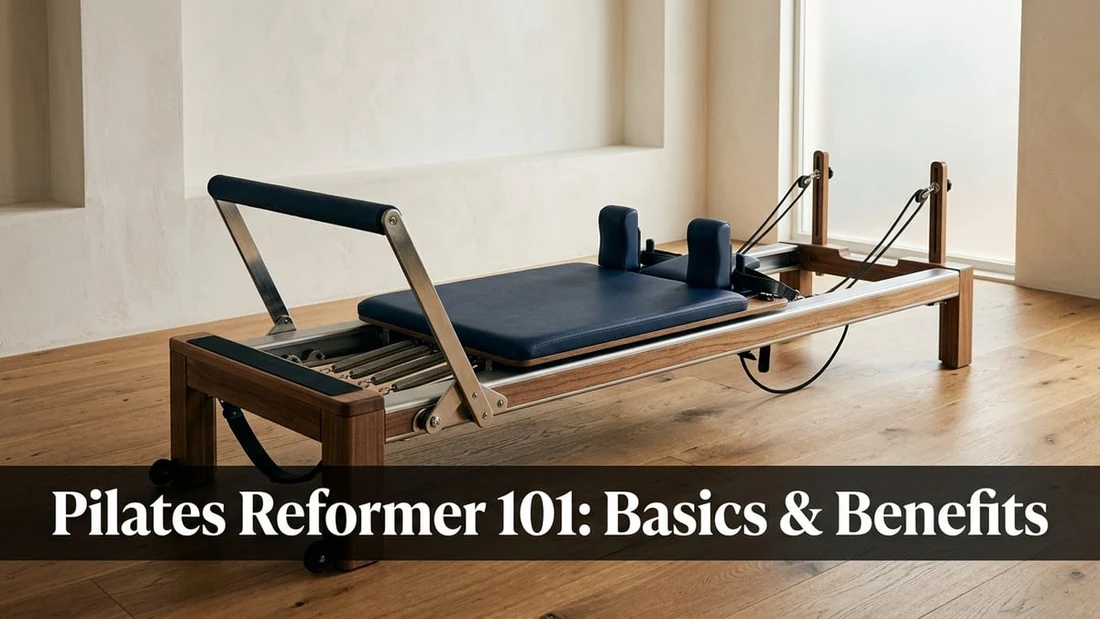
Reformer Pilates is performed using a machine called a Reformer. The equipment has a moving platform, often called a carriage, which travels along rails. Springs provide different levels of resistance, while straps, pulleys and other parts of the machine allow users to perform a wide range of movements.
The Reformer can be adjusted depending on the exercise and the person using it. This makes it possible to increase or reduce resistance and modify movements as needed. Rather than relying on fast or repetitive actions, many Reformer Pilates exercises focus on slow, controlled movements that require concentration and good body positioning.
The aim is not simply to work one muscle at a time. Many exercises require several parts of the body to work together, helping develop coordination, stability and control.
Building Core Strength and Stability
Core strength is one of the main areas addressed through Reformer Pilates. The core includes muscles around the abdomen, back, pelvis and hips, which help support the body during everyday movements and exercise.
A stronger core can make activities such as bending, lifting, walking and maintaining good posture easier. Reformer exercises often require the body to remain stable while the arms or legs move, encouraging the core muscles to stay engaged throughout the movement.
Developing this type of control can also help people become more aware of how they position their bodies. Instead of simply completing an exercise, participants learn to pay attention to alignment, breathing and movement quality.
Improving Flexibility and Mobility
Flexibility and mobility are also important parts of Reformer Pilates. Many exercises involve moving the limbs through a controlled range of motion while maintaining stability elsewhere in the body.
Regular practice may help people feel less restricted during everyday movements. Stretching is often incorporated into Reformer sessions, but the focus goes beyond simply holding a stretch. Participants are encouraged to move with control and gradually work within a comfortable range.
Improved mobility can be useful for people who spend long periods sitting at work, as well as those who want to maintain their movement as they get older. However, progress can vary from person to person, and exercises should always be performed within an individual’s abilities.
Supporting Better Posture
Poor posture can develop through habits such as sitting for long periods, using devices frequently or spending much of the day in one position. Reformer Pilates can encourage greater awareness of posture by requiring participants to pay attention to the position of the spine, shoulders, hips and legs during exercises.
Strengthening the muscles that support the trunk can also contribute to better body control. Over time, participants may become more aware of how they sit, stand and move outside the studio.
Good posture is not about keeping the body rigid all day. Instead, it involves being able to move comfortably while maintaining appropriate control and alignment.
A Workout That Can Be Adjusted to Different Needs
One of the useful aspects of the Reformer is its flexibility. The resistance can be changed, and exercises can often be modified according to a person’s experience and physical ability.
A beginner may start with basic movements to understand how the equipment works. As their confidence and strength develop, more challenging exercises can gradually be introduced. Experienced participants can also use different resistance levels and movement patterns to continue challenging themselves.
This adaptability makes Reformer Pilates suitable for people with different fitness backgrounds. Someone who is new to structured exercise can approach it differently from an experienced athlete, while both can work towards appropriate goals during their sessions.
Reformer Pilates and Recovery
Reformer Pilates is sometimes included in rehabilitation and recovery programmes because many exercises are low impact and can be performed with controlled resistance. The equipment can provide support while allowing a person to work on strength and movement gradually.
However, people recovering from an injury, surgery or other physical condition should speak with an appropriate healthcare professional before beginning exercise. A qualified instructor can then work within any recommendations or limitations that have been provided.
The controlled nature of many Reformer movements can make it possible to progress gradually rather than immediately placing heavy demands on the body. This can be useful when rebuilding confidence and strength, provided the exercises are appropriate for the individual.
Helping Athletes Develop Better Movement
Reformer Pilates is not limited to people who are simply looking for a general workout. Athletes may also use it as part of a wider training routine.
Sports often involve repeated movements that place particular demands on certain muscles and joints. Pilates can provide a way to work on areas such as balance, stability, flexibility and core control that may complement sport-specific training.
The focus on controlled movement can also encourage athletes to pay closer attention to how their bodies move. This awareness can be useful when working on technique and coordination. Reformer Pilates should be viewed as a complement to sports training rather than a replacement for sport-specific conditioning.
The Importance of Breathing and Concentration
Reformer Pilates requires more than physical effort. Concentration is an important part of each session because participants need to understand the movement, maintain their position and control the equipment.
Breathing is also commonly incorporated into the exercises. Paying attention to breathing can help participants stay focused instead of rushing through movements. This combination of controlled breathing and physical concentration can make a session feel different from a high-intensity workout.
For many people, having a period of focused exercise can also provide a useful break from work, screens and other daily distractions. While Pilates should not be viewed as a treatment for stress or anxiety, the focused nature of the practice may contribute to a calmer exercise experience.
What to Wear for a Reformer Session
Comfortable, fitted clothing is generally practical for Reformer Pilates. Clothes should allow the instructor and participant to see body positioning while providing enough freedom for movements such as stretching, bending and lifting the legs.
Grip socks are commonly used during Reformer sessions because they can provide additional traction while exercising on the equipment. Loose jewellery and clothing that could become caught in straps or other parts of the machine should generally be avoided.
Before starting, beginners should also take time to understand how the Reformer works. A qualified instructor can explain how to use the springs, carriage, straps and other components safely.
Creating a Consistent Exercise Routine
The benefits of any exercise programme are easier to maintain when the activity becomes part of a consistent routine. Reformer Pilates can be included alongside other forms of physical activity, such as walking, strength training, swimming or sports.
The right frequency depends on a person’s goals, schedule, fitness level and recovery needs. Starting gradually can make it easier to develop good technique without placing unnecessary strain on the body.
Consistency is generally more useful than trying to do too much at once. As participants become familiar with the exercises, they can gradually develop greater control and confidence.
Finding the Right Pilates Environment
The setting in which someone exercises can influence their overall experience. A supportive studio with qualified instructors can be particularly helpful for beginners who are still learning how to use the Reformer.
Instructor guidance can help participants understand proper technique, adjust exercises and work at a suitable level. It can also make sessions feel more structured and encourage people to stay consistent with their routine.
Group classes can provide a sense of community as well. Exercising alongside others with similar goals can make regular participation more enjoyable while providing a shared environment for learning and progress.
Making Reformer Pilates Part of a Healthy Lifestyle
Reformer Pilates can be a useful addition to a balanced lifestyle because it brings together several areas of physical fitness, including strength, stability, mobility, coordination and body awareness. Its adjustable resistance and wide range of exercises also make it possible to adapt sessions as a person’s needs change.
It is important to remember that Pilates is only one part of overall wellbeing. Regular movement should be supported by adequate rest, balanced nutrition and other healthy habits. People should also choose exercises that match their current abilities and seek professional advice when dealing with an injury or medical concern.
With regular practice and appropriate instruction, Reformer Pilates can become a practical way to stay active and develop better control over movement. Its combination of physical exercise and concentration makes it different from many conventional workouts, while the adaptable equipment allows participants to progress at a comfortable pace.