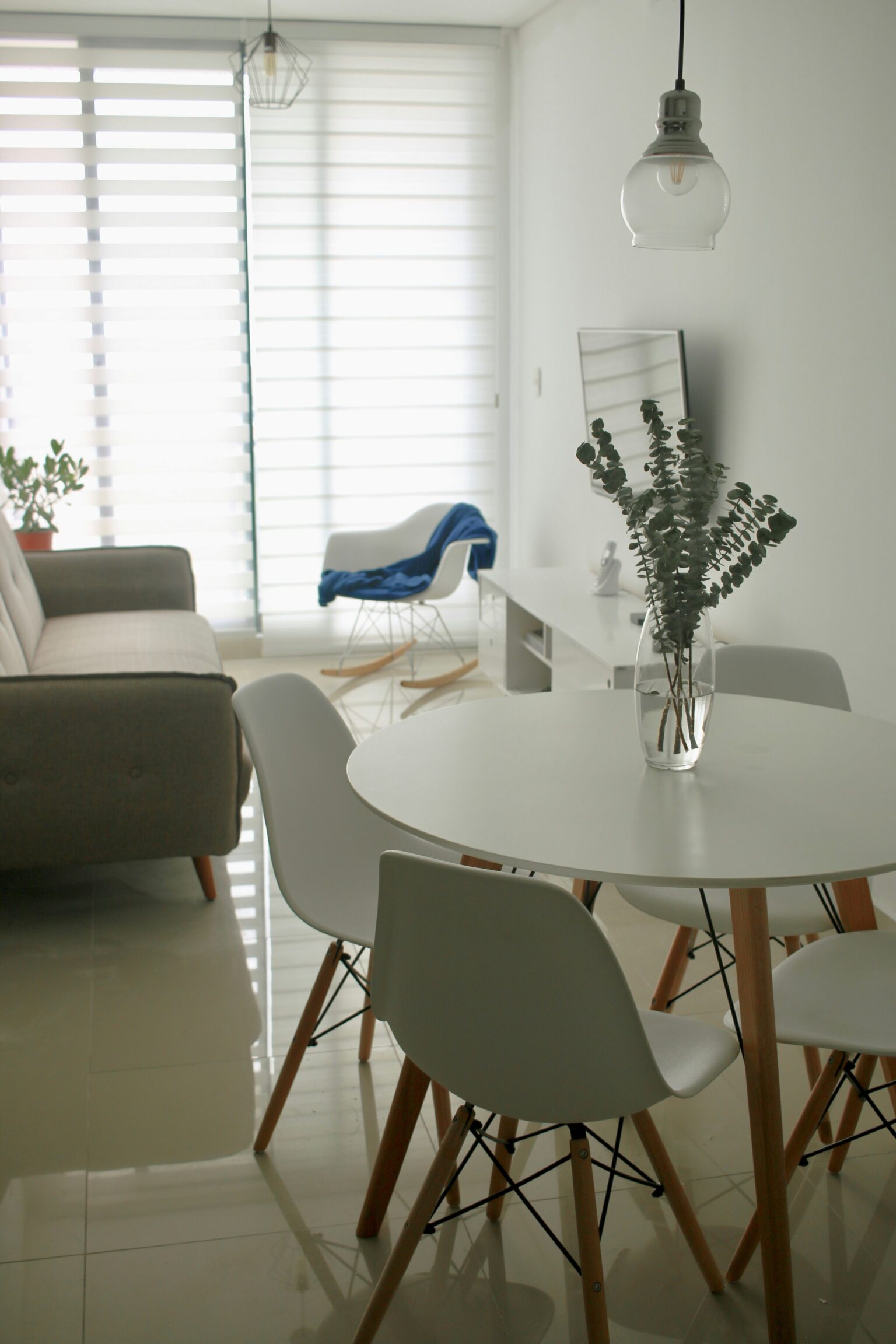
Minimalist home design is not merely a stylistic choice; it embodies a profound philosophy that encourages simplicity and functionality. For modern families, this approach can yield numerous benefits, fostering a serene and clutter-free living environment that is conducive to both relaxation and productivity. At its core, minimalism champions the idea that less is more, promoting a lifestyle centered around intentional choices and mindful consumption.
One of the primary advantages of adopting minimalism in home design is the promotion of tranquility. A minimalist space often features clean lines, neutral color palettes, and a limited number of furnishings, which collectively work to create an atmosphere that minimizes distractions. In a home where peace and calm prevail, family members can focus more on their relationships and shared activities rather than being overwhelmed by excess or disorder.
Furthermore, minimalist designs encourage a clutter-free environment that is particularly beneficial for families with children. Simplicity in design means fewer items to manage, reducing the likelihood of mess and disorganization. Families can find it easier to keep common areas tidy, making daily routines more efficient and enjoyable. This organizational clarity transforms the home into a space where functionality reigns supreme, and every object has a designated purpose.
Another significant aspect of minimalism is mindful consumption. By prioritizing quality over quantity, families can invest in well-made furniture and decor that enhance their living spaces rather than filling them with unnecessary items. This mindset not only leads to a more aesthetically pleasing home but also promotes sustainability and prudent financial choices, ultimately resulting in a lifestyle that values depth over superficiality.
Essential Principles of Minimalist Home Design
Minimalist home design embodies a philosophy that prioritizes functionality, simplicity, and intentionality in creating living spaces. By focusing on these core principles, modern families can cultivate environments that not only look aesthetically pleasing but also serve their daily needs efficiently. One of the primary aspects of minimalist design is functionality. Each piece of furniture or decor should fulfill a purpose while enhancing the usability of the space. This pragmatic approach helps eliminate clutter, leading to a more serene and organized home.
The concept of simplicity is also vital in minimalist home design. By opting for clean lines and uncomplicated forms, families can create interiors that feel open and welcoming. Open space is leveraged to promote flow and visual cohesion, allowing for a seamless transition between rooms and reducing the sense of confinement often experienced in more cluttered environments. Each element in a minimalist room is carefully curated, avoiding excess that can overwhelm both the space and its inhabitants.
Color plays a crucial role in achieving a minimalist aesthetic. Neutral color palettes are commonly favored, as they evoke a sense of calm and tranquility. Shades such as whites, beiges, and grays act as a canvas, enabling families to introduce bolder accents without making the space feel overwhelmed. Furthermore, the utilization of natural materials, such as wood, stone, and linen, fosters a connection to the outdoors while enhancing the warmth and texture of the interiors.
Ultimately, the principles of minimalist home design enable families to create versatile and adaptable living spaces. By prioritizing what is essential and thoughtfully selecting furnishings and decor, families can enjoy homes that support their lifestyle while promoting peace and clarity in their everyday lives.
Practical Tips for Creating a Minimalist Home
Adopting a minimalist home design can significantly impact family life, leading to a more organized and peaceful living environment. The first step in embracing minimalist design is decluttering. Families can start by assessing each room and identifying items that no longer serve a purpose or bring joy. Involve all family members in the decluttering process to help them understand the value of less. Consider implementing a “one in, one out” policy; for every item brought into the home, another should be removed to maintain a clutter-free space.
Smart storage solutions are vital to achieving a minimalist aesthetic. Look for opportunities to use vertical space, such as wall-mounted shelves or cabinets. Additionally, utilize multifunctional furniture, including ottomans with storage capabilities or beds with built-in drawers. This approach not only saves floor space but also contributes to the home’s overall clean and streamlined look. Opting for furniture that blends seamlessly with the decor eliminates visual distractions and supports a cohesive design.
Involving family members in the design process is crucial for long-term success with minimalism. Host a family meeting where everyone can express their preferences and needs regarding the home’s aesthetics and functionality. Discuss which possessions are essential for each individual to ensure no one feels deprived in the process. Encourage children to choose a few cherished items to display, fostering a sense of ownership and responsibility for their belongings.
By focusing on deg cluttering, implementing smart storage solutions, and promoting family involvement, it becomes feasible to create a minimalist home design that caters to the needs and preferences of each family member, ultimately leading to a harmonious living space.
Maintaining a Minimalist Lifestyle with Family
Embracing a minimalist lifestyle can be a transformative journey for modern families, but the transition requires vigilance and dedication. One of the cornerstone strategies for maintaining a minimalist approach in a household is to establish clear boundaries regarding possessions. Families should engage in regular discussions about what items are truly necessary and beneficial, as this can foster a sense of ownership and collective responsibility. Encourage children to participate in this process by allowing them to choose which items to keep and which to let go, thereby instilling a sense of agency while also teaching them the value of mindful consumption.
Creating a consistent routine is crucial for effective organization in a minimalist home. Families can designate specific days for decluttering or reorganizing shared spaces, ensuring that each member understands their role in maintaining order. In addition, utilizing storage solutions that are both practical and aesthetically pleasing can help to keep clutter at bay without detracting from the minimalist aesthetic. Consider implementing ‘one in, one out’ rules, where for every new item acquired, an older item is donated or discarded, preserving the balance of your living environment.
Fostering a culture of intentional living within the family is equally important. This involves making conscious decisions about new purchases, prioritizing experiences over material goods, and regularly reflecting on personal needs. Families may face challenges such as external pressures to conform to consumer trends, or children’s attachment to possessions. To navigate these obstacles, practice open communication and encourage empathy towards one another’s feelings about belongings. Remember, the goal of minimalism is not to eliminate joy but to enhance it through a curated, meaningful living space. With these strategies, families can successfully maintain a minimalist lifestyle, cultivating a serene and purposeful home environment.