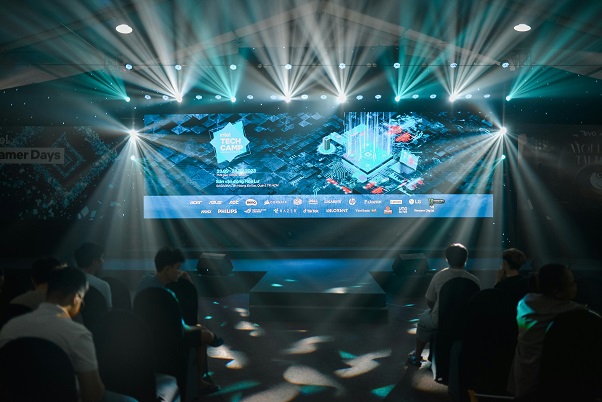
The tech industry, a cornerstone of the modern economy, encompasses a broad range of sectors that are instrumental in driving innovation and economic growth. With its ever-evolving nature, this industry defines not just how businesses operate but also influences everyday life for individuals and communities worldwide. The significance of the tech industry is underscored by its ability to create jobs, enhance efficiency, and introduce groundbreaking solutions to longstanding problems. At the forefront of the tech industry is software development, a sector that has transformed the way we interact with technology. From mobile applications to enterprise software solutions, the demand for skilled software developers continues to grow as companies seek to leverage the power of digital tools. This area not only drives productivity but also fosters creativity, enabling developers to create more user-friendly and intuitive interfaces.
Moreover, hardware manufacturing plays a critical role within the tech industry. This sector is responsible for producing the physical devices that support software applications, such as computers, smartphones, and IoT devices. As technology advances, hardware manufacturing must continually innovate to keep pace with increasing consumer demands for faster, more powerful, and energy-efficient products.
Emerging technologies also fall under the umbrella of the tech industry, encompassing fields such as artificial intelligence, blockchain, and biotechnology. These innovative technologies hold the potential to revolutionize various industries, creating opportunities for new business models and improving efficiencies across sectors. The rapid pace of advancements in these areas signals a bright future for the tech industry, which will undoubtedly continue to shape the global economy for years to come.
Recent Trends in Technology
The technology sector is currently experiencing significant transformations, driven by advancements in various key areas such as artificial intelligence (AI), cloud computing, the Internet of Things (IoT), and 5G technology. Each of these trends not only marks a shift in technological capabilities but also influences the business landscape and consumer behavior.
Artificial intelligence continues to redefine processes across industries, automating routine tasks and enhancing decision-making capabilities. This technology has proved invaluable, particularly in sectors such as healthcare, where AI algorithms assist in diagnostics and personalized medicine. Furthermore, the deployment of AI tools for data analysis and customer service is streamlining operations, allowing organizations to respond more swiftly to market demands.
Cloud computing has evolved into a cornerstone for businesses seeking agility and scalability. Organizations increasingly rely on cloud services to store data and run applications, enabling them to optimize costs and focus on innovation. With solutions such as Software as a Service (SaaS) gaining traction, companies of all sizes are leveraging the cloud to accelerate their digital transformations and improve overall efficiency.
The proliferation of the Internet of Things (IoT) has resulted in a more connected world, where devices communicate with one another, providing actionable insights and improving user experiences. From smart homes to connected vehicles, the IoT is creating vast opportunities not only for tech companies but also for industries seeking to harness data to enhance product offerings and operational processes.
Lastly, the rollout of 5G technology promises to revolutionize connectivity by providing faster data speeds and lower latency, fostering the development of innovative applications. Industries such as telecommunications, transportation, and healthcare are poised to benefit significantly from this advancement as it enables greater data transmission capabilities and supports the growing ecosystem of connected devices.
Major Tech Companies’ Developments
The technology sector is continuously evolving, driven by innovations and strategic decisions made by major companies. Apple, Google, Microsoft, and Amazon are at the forefront of these developments, often setting trends that ripple throughout the industry.
Apple has recently launched the iPhone 15 series, showcasing new features such as advanced camera capabilities and improved battery life, solidifying its dominance in the smartphone market. Alongside product launches, the company’s financial performance has shown resilience, with reported revenue growth attributed significantly to increased service subscriptions and the success of wearables. Analysts predict that Apple’s focus on augmented reality could reshape its product strategy in the coming years.
Google continues to expand its cloud offerings, emphasizing artificial intelligence to enhance its services. The latest updates include improvements in Google Cloud’s machine learning capabilities, which not only empower businesses to analyze massive datasets more efficiently but also attract new clientele. Furthermore, Google has made significant moves in acquiring key AI startups, aiming to bolster its research and development in this critical area.
In the case of Microsoft, the company has sustained a strong trajectory in financial performance thanks to its cloud computing services. The recent acquisition of a leading cybersecurity firm demonstrates Microsoft’s commitment to fortifying its cloud infrastructure amidst growing concerns about data breaches and security vulnerabilities. This strategic shift reflects a broader trend among tech companies prioritizing cybersecurity as part of their core offerings.
Amazon, always a formidable player, continues to innovate its e-commerce and AWS platforms. The launch of a new logistics service is set to enhance delivery capabilities, driving competitive advantage in the e-commerce sector. Additionally, Amazon’s increasing investment in drone technology indicates a shift towards automation in product delivery.
These developments underline the dynamic nature of the tech industry, where continuous evolution and strategic foresight play crucial roles in shaping the future landscape.
Innovations in Startups
The tech industry is witnessing a dynamic transformation as startups introduce innovative solutions that challenge the status quo. These emerging companies are not only developing groundbreaking products but are also reshaping business models across various sectors. Startups are leveraging artificial intelligence, machine learning, and blockchain technology to create offerings that address niche market needs and enhance user experiences.
One notable startup is YourAI, which specializes in using AI to optimize supply chain management. Their platform has garnered significant attention from investors, leading to a recent funding round where they raised $15 million. This financial boost will enable them to expand their capabilities and further enhance their predictive analytics tools, positioning them as a key player among established supply chain software providers.
Another promising startup, GreenTech Innovations, focuses on sustainable energy solutions. In response to the growing demand for eco-friendly products, they have developed a new line of solar panels that incorporate advanced materials for higher efficiency at a lower cost. Their innovative approach has not only led to substantial funding but has also caught the eye of major corporations looking to partner with forward-thinking firms.
Moreover, startups are increasingly entering the e-commerce space with unique value propositions. For instance, CraftedByYou provides a platform connecting artisans and handmade product enthusiasts with global buyers. Their unique marketplace model, which emphasizes authenticity and personal stories, sets them apart from traditional e-commerce giants. This differentiation has attracted attention from investors, resulting in significant funding aimed at scaling their operations and expanding their marketing efforts.
As these startups continue to innovate and secure funding, they not only disrupt established companies but also drive overall advancements in technology. By pushing boundaries and exploring uncharted territories, these tech startups are on a path to defining the future landscape of the industry.
Impact of Technology on Society
The rapid advancement of technology has had profound effects on society, shaping our daily lives, interpersonal relationships, and even our work environments. As emerging technologies evolve, they bring with them both significant opportunities and notable challenges that merit discussion and consideration.
Privacy concerns are at the forefront of the technology discussion. With the widespread use of surveillance tools and data collection practices, individuals find their personal information vulnerable. The proliferation of social media platforms has exacerbated these issues, where user data can be harvested for commercial use without explicit consent. The intersection of privacy, ethical considerations, and legislative frameworks presents a critical juncture that societies must navigate to protect individual rights in this digital age.
Moreover, technology has highlighted the digital divide in society, where access to technology remains unevenly distributed. This gap underscores disparities in education, professional opportunities, and access to essential services, impacting socio-economic mobility. As technology permeates more aspects of daily life, bridging this divide becomes crucial for ensuring that all individuals can partake in the benefits of technological advancements.
The workplace has also witnessed transformative changes due to advancements in remote technology. Employers have adapted to new work-from-home arrangements, fostering flexibility and promoting work-life balance. This shift, powered by digital communication tools, has allowed companies to maintain productivity while redefining organizational culture. However, it also raises concerns surrounding employee isolation, mental health implications, and the blurring lines between personal and professional life.
Lastly, the accelerated development of artificial intelligence (AI) and automation presents significant societal implications. While these technologies promise to improve efficiency in various sectors, they also pose a risk of job displacement. As routine tasks become automated, the workforce faces the challenge of upskilling for new, more complex roles that require human ingenuity. The ethical considerations of AI, including bias and accountability, necessitate ongoing dialogue among technologists, policymakers, and the public.
Regulatory Changes and Challenges in the Tech Industry
The tech industry is currently undergoing significant regulatory transformations that have widespread implications for businesses and consumers alike. Recently, various jurisdictions have introduced new data protection laws aimed at enhancing user privacy and security. For instance, the General Data Protection Regulation (GDPR) in Europe has set a precedent that other regions are starting to emulate. This trend towards stricter data governance reflects growing concerns about consumer data misuse, and tech companies must now establish robust compliance frameworks to mitigate legal risks.
In addition to data protection, antitrust actions have emerged as a crucial area of concern for technology firms. Governments are scrutinizing the market power of dominant tech giants, recognizing the need to promote competition and prevent monopolistic behaviors. In jurisdictions like the United States and the European Union, regulatory bodies are investigating large tech firms for their business practices related to acquisitions and pricing strategies. Companies must navigate these investigations carefully to maintain their market positioning while adhering to evolving antitrust laws.
Furthermore, international trade policies are also impacting the tech landscape. With geopolitical tensions shaping trade relations, companies face challenges in cross-border operations, affecting everything from supply chains to market access. For instance, tariffs imposed on technology goods can increase operational costs, forcing tech firms to reassess their manufacturing and distribution strategies. As a result, organizations must stay informed of these dynamic regulatory environments and be prepared to adapt their business models accordingly.
In conclusion, the tech industry is confronted with a complex web of regulatory changes and challenges that demand strategic foresight and compliance. Navigating data protection laws, antitrust issues, and international trade policies is essential for tech companies to not only survive but thrive in this evolving landscape.
Future Predictions for Technology
The technology industry stands on the precipice of numerous transformative advancements as trends evolve and new discoveries emerge. Among the most anticipated areas of growth is quantum computing. This revolutionary approach to computation has the potential to surpass conventional computers in solving complex problems, such as cryptography challenges and large-scale data analysis. With tech giants and research institutions investing heavily in quantum technologies, we may expect breakthroughs that will impact various sectors, including finance, healthcare, and materials science.
In parallel with quantum advancements, the field of biotechnology is poised to revolutionize personal medicine and genetic engineering. As the understanding of genomics increases, innovative tools like CRISPR technology are enabling precise editing of genes, paving the way for unprecedented treatments for genetic disorders. By 2030, it is conceivable that biotechnology could lead to personalized therapies tailored to an individual’s unique genetic makeup, fostering a new era in healthcare.
Simultaneously, attention is being directed towards renewable energy technologies. Climate change concerns have accelerated the demand for sustainable solutions, resulting in rapid developments in solar, wind, and energy storage technologies. As innovations improve efficiency and reduce costs, renewable energy could become a dominant power source. Governments worldwide are adopting policies to foster clean energy, signaling a workforce transition that could redefine economic structures and create new job opportunities.
These predictions suggest that the future of the tech industry will be marked by the convergence of quantum computing, biotechnology, and renewable energy technologies. Each advancement across these domains presents the opportunity for significant societal benefits while emphasizing the importance of ethical considerations in their development. Embracing these emerging trends will be essential for adapting to the challenges and opportunities the future holds in technology.
Industry Leaders’ Opinions
The tech industry is continually evolving, with leaders expressing a range of perspectives on both current trends and future trajectories. Recently, Satya Nadella, CEO of Microsoft, emphasized the potential of artificial intelligence (AI) to transform business operations. In a recent interview, he remarked that AI is no longer a futuristic concept but a real force driving efficiency and innovation in various sectors. Nadella argued that companies leveraging AI responsibly can enhance productivity while simultaneously addressing ethical concerns associated with data privacy.
Similarly, Sundar Pichai, Google’s CEO, highlighted the transformative power of cloud computing during a keynote address. He noted that investments in cloud infrastructure are enabling businesses across industries to operate with unprecedented agility. Pichai pointed out that the integration of machine learning within cloud services allows organizations to boost their capabilities, thereby fostering growth and resilience in the face of global challenges. His perspective reflects a broader industry acknowledgment of the cloud as a cornerstone of digital transformation.
On the subject of cybersecurity, IBM’s CEO Arvind Krishna remarked on the increasingly sophisticated nature of cyber threats. He noted that organizations must prioritize their cybersecurity frameworks, not just as a compliance mechanism but as a fundamental pillar of their business strategy. Krishna’s insights underline a significant industry trend, where leaders recognize that robust cybersecurity measures are crucial not only for protecting sensitive data but also for maintaining customer trust and brand integrity.
These opinions from industry leaders provide valuable insights into the pressing challenges and opportunities facing the tech industry today. They underscore the need for companies to adapt swiftly to changing market dynamics while embracing innovation as a catalyst for long-term success. In a rapidly transforming landscape, the voices of these leaders serve as vital indicators of where the tech industry is heading.
Conclusion and Key Takeaways
Throughout this blog post, we have explored a range of recent developments in the tech industry, illuminating the myriad ways in which technology continues to evolve and shape our world. From advancements in artificial intelligence to trends in data privacy, each update carries significant implications for individual users, businesses, and society at large.
Staying informed about these changes is crucial for professionals and consumers alike. For businesses, understanding current industry trends can drive strategic planning and product development, ultimately leading to improved competitiveness in the marketplace. Meanwhile, consumers benefit from awareness of the latest tools and technologies that enhance daily life and personal productivity.
We have highlighted key emerging technologies such as blockchain, Internet of Things (IoT), and machine learning, emphasizing their transformative potential. Each of these innovations not only represents a leap in technological capability but also presents challenges and considerations regarding ethical use, security, and privacy.
Moreover, the rise of remote work technologies as a response to recent global events underscores the importance of adaptability and resilience in business models. Organizations that leverage these tools effectively are more likely to thrive in a rapidly changing environment.
In conclusion, the significance of remaining engaged with the latest tech industry news cannot be overstated. The continual unfolding of technology developments influences multiple facets of life and commerce. By staying updated on these trends, individuals and organizations can better prepare for future challenges and opportunities, ensuring not only survival but success in an increasingly digital landscape.