A new boiler is designed to give you peace of mind, save energy costs, and help heat your home. However, if it is installed in a hurry or by someone who doesn’t do things the right way, your shiny new boiler can create a hazardous condition. Before you can celebrate your upgrade, check to see if it was installed correctly, this becomes even more important if you are having your work done by a Boiler Upgrade Scheme installer.
The Safety of a New Boiler
Modern condensing boilers come with a lot of built-in safety features, but none of the safety features will work if the workmanship is substandard. For example, if a gas fitting is not properly connected to the gas valve, there could be a gas leak. Additionally, the boiler may have been vented incorrectly and/or insufficient ventilation could also cause carbon monoxide to build up and, in rare cases, lead to an explosion or fire.
That’s why the installer is just as important as the boiler. The make and model of the boiler (i.e., Worcester Bosch, Vaillant, Ideal) are irrelevant; the final installed product will only be as good as the person using the tools. Verify that your Boiler Upgrade Scheme installer has followed the appropriate safety procedures and documented each safety inspection before signing off on the job.
Gas Tightness Testing
One of the most important checks is gas tightness testing, as it ensures that there are no leaks in the pipeline once the new boiler has been installed. Even a small leak could potentially be very dangerous if it goes undetected. This test is performed by qualified gas engineers using accurately calibrated measuring devices both before and after installation. If no mention of gas tightness testing was made by your Boiler Upgrade Scheme installer, please confirm this, it’s a standard procedure.
Flue Pipe Position
Flue pipes are used to carry combustion gas out of your home, so if they are too close to any windows, doors, or air vents, combustion gas may return back into the house. Included in those gases may be carbon monoxide, which is colorless, odorless, and tasteless; therefore, there are no obvious indications of its presence.
There are UK building regulations for minimum clearances from flue terminals. For example, most flue pipes need to be located at least 300 mm away from an openable window, and a qualified heating contractor will carefully measure distances before starting up the system.
The Combustion Analysis Is the Telling Test
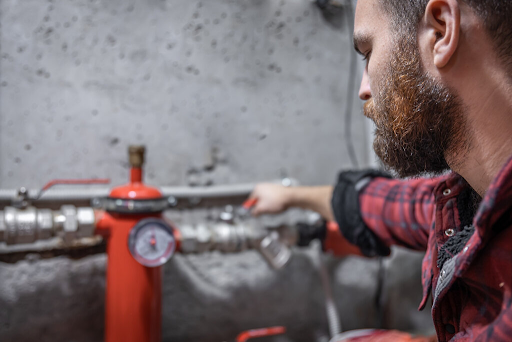
The engineer should test the boiler while running and measure the flue to check the amount of oxygen, carbon dioxide, and carbon monoxide. This ensures that the boiler uses an adequate amount of fuel to operate safely and efficiently. Incorrectly set boilers will still seem to be operating correctly, even though the combustion tests will indicate otherwise. Therefore, the importance of this test cannot be overstated. A short testing time will uncover problems that cannot be detected visually or otherwise.
Air Flow Still Counts
Many homeowners believe that newer boilers do not need to be checked for air flow since they are newer. They still need to be checked by the installer for location and compliance with the manufacturer’s instructions and building codes. If the boiler is located in a cupboard, the required clearances and air flow must be provided. Lack of sufficient heat and lack of combustion air can end up costing the owner a lot of money and creating hazards.
A Safe Boiler Starts with the Right Installer
Your boiler should heat your home, not keep you awake at night wondering whether everything was fitted correctly. Gas tightness tests, flue measurements, combustion analysis, and completed paperwork are the details that separate professionals from amateurs.
If you are planning a replacement, choose a trusted Boiler Upgrade Scheme installer like the ones from EHS and ask the right questions before the work begins. When safety is handled properly, you can enjoy the warmth without second thoughts.