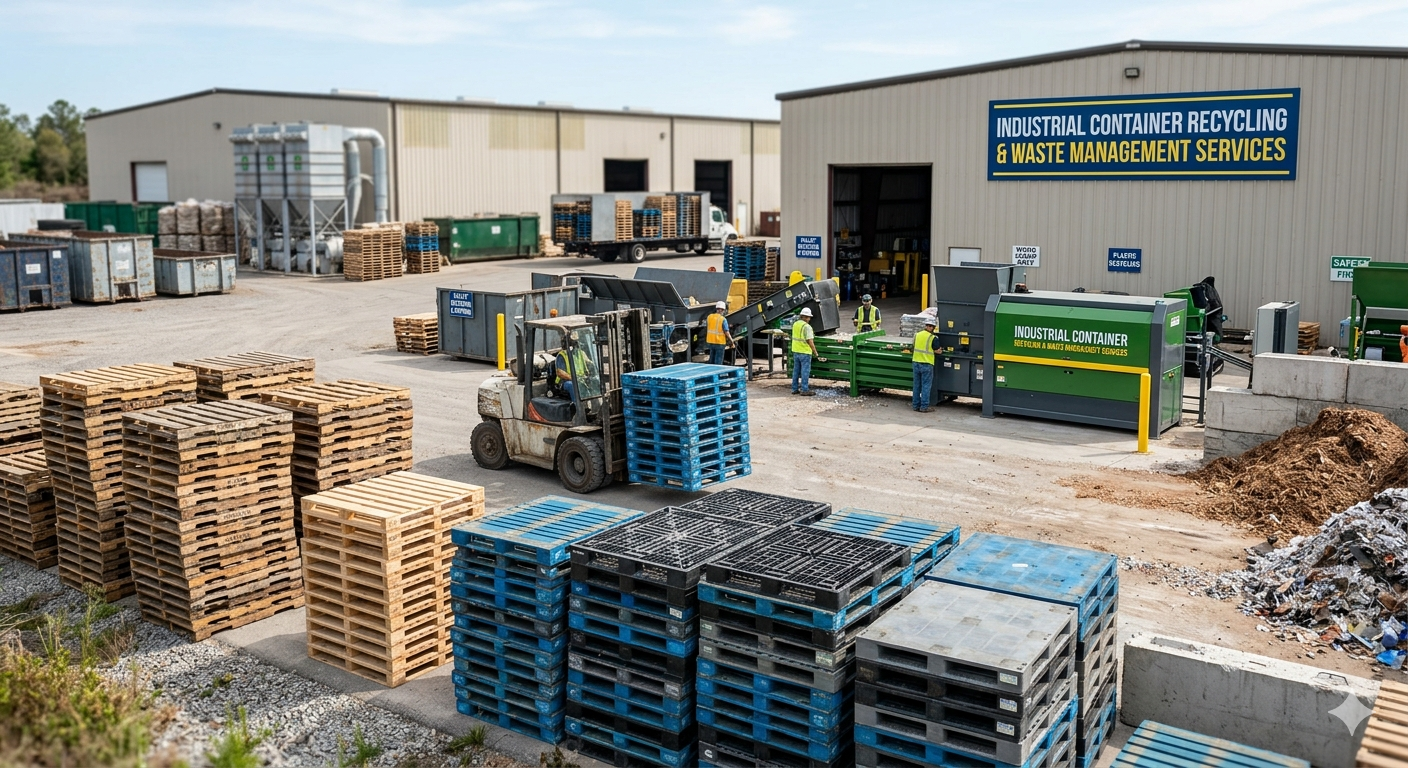
Industrial operations generate a constant stream of used containers, and managing them safely is critical for compliance, cost control, and environmental responsibility. Modern industrial container recycling programs focus on extending the life cycle of packaging materials like drums, totes, and bulk boxes while minimizing landfill waste and reducing hazardous exposure risks.
One strong example in this field is Kelly Drums, a Mid-Atlantic service provider specializing in full-cycle industrial container solutions. Through their services, they handle pickup, recycling, reconditioning, and destruction of steel, poly, and fiber drums, IBC totes, and Gaylord boxes, helping industrial clients maintain regulatory compliance while advancing sustainable disposal practices. Their operations are designed to support industries that require strict environmental control, especially when dealing with chemical residues and regulated waste streams.
The Role of Industrial Container Recycling
Industrial container recycling is not just about waste removal—it is a structured process that ensures materials are safely recovered or responsibly destroyed. Facilities typically sort containers based on condition and contamination level:
- Reusable containers are cleaned, tested, and reconditioned
- Recyclable materials are broken down and processed into raw inputs
- Non-recoverable units are securely destroyed to prevent reuse risks
This approach reduces the demand for new raw materials while lowering environmental impact and operational costs.
Pickup, Reconditioning, and Destruction Services
Companies like Kelly Drums provide end-to-end logistics that simplify container waste handling for manufacturers and warehouses. Their pickup services ensure that used containers are removed directly from industrial sites, reducing storage risks and safety hazards.
Once collected, containers go through several pathways:
- Reconditioning: Steel, plastic, and fiber drums are cleaned and restored for reuse, extending their lifecycle and reducing procurement costs.
- Recycling: Materials such as steel and high-density plastics are processed into reusable industrial feedstock.
- Destruction: Containers that previously held sensitive or hazardous materials are shredded or granulated to eliminate reuse potential and ensure compliance documentation is issued.
This structured system is especially valuable for industries handling regulated substances, where improper disposal can lead to serious environmental and legal consequences.
Supporting Compliance and Environmental Responsibility
One of the most important benefits of professional container management services is regulatory compliance. Industrial facilities must follow strict environmental guidelines, particularly when dealing with residues classified under hazardous waste regulations.
Service providers like Kelly Drums help businesses:
- Meet EPA and RCRA compliance requirements
- Properly document container disposal or destruction
- Reduce environmental liability risks
- Maintain safe handling practices for contaminated packaging
This ensures companies remain compliant while improving their environmental performance.
Sustainability in Industrial Operations
Sustainability is now a core priority across manufacturing and logistics sectors. Reusing and recycling industrial packaging significantly reduces landfill dependency and energy consumption compared to producing new containers.
Reconditioning programs alone can extend container life cycles multiple times, supporting circular economy principles where materials remain in use for as long as possible before final recycling.
Industrial Pallets and Integrated Waste Systems
In many facilities, container recycling is closely linked with the management of industrial pallets, which are used for storing and transporting drums, totes, and boxed goods. When both pallets and containers are properly managed, industrial sites can significantly improve warehouse efficiency, reduce waste, and streamline logistics operations.
Conclusion
Industrial container recycling is an essential part of modern waste management strategies, helping businesses balance operational efficiency with environmental responsibility. Service providers like Kelly Drums demonstrate how integrated systems—covering pickup, recycling, reconditioning, and destruction—can support regulatory compliance while advancing sustainable industrial practices across the Mid-Atlantic region.
By adopting structured container recovery programs and aligning them with pallet and warehouse logistics, industries can significantly reduce waste output while building safer, more sustainable operations for the future.