Modern industries face increasing pressure to operate responsibly while maintaining safety, productivity, and environmental compliance. From manufacturing facilities and construction sites to healthcare centers and industrial plants, organizations must carefully manage hazardous materials, chemical waste, and environmental risks. Companies such as HCI Environmental play a critical role in helping businesses handle these challenges through specialized environmental management solutions. Their expertise includes 24/7 emergency chemical spill response, hazardous waste transportation and disposal, site decontamination, soil remediation, asbestos, mold, and lead abatement, demolition, industrial cleaning, and even specialized services such as gun range maintenance. By providing rapid response and regulatory expertise, they help organizations maintain workplace safety, environmental responsibility, and compliance in high-risk situations.
Understanding Environmental Management
Environmental management refers to the processes and strategies businesses use to minimize their impact on the environment while complying with local, state, and federal regulations. It involves identifying environmental risks, safely handling hazardous materials, reducing pollution, and ensuring proper waste disposal.
Industries that commonly require environmental management services include:
- Manufacturing plants
- Oil and gas facilities
- Construction companies
- Chemical processing plants
- Healthcare institutions
- Transportation and logistics providers
- Government facilities
- Industrial warehouses
- Shooting ranges and training centers
Environmental management is no longer optional for businesses operating in high-risk sectors. Strict regulations and growing public awareness mean organizations must actively demonstrate their commitment to safety and sustainability.
The Importance of Hazardous Waste Services
Hazardous waste includes materials that can pose significant risks to human health or the environment if not handled properly. These substances may be toxic, flammable, corrosive, or reactive. Improper disposal can contaminate water supplies, damage ecosystems, and expose workers and communities to dangerous conditions.
Professional hazardous waste services are essential because they ensure:
- Safe transportation of hazardous materials
- Proper disposal according to environmental regulations
- Reduced risk of contamination
- Protection of workers and surrounding communities
- Compliance with environmental laws
- Prevention of costly legal penalties
Environmental service providers help businesses develop waste management plans that prioritize both operational efficiency and environmental protection.
Emergency Chemical Spill Response
Chemical spills can occur unexpectedly in industrial environments, transportation accidents, laboratories, or manufacturing plants. When hazardous materials are released, immediate action is necessary to prevent injuries, contamination, and operational shutdowns.
One of the most valuable services offered by environmental management companies is 24/7 emergency spill response. Rapid response teams are trained to:
- Contain hazardous spills quickly
- Prevent chemicals from spreading into waterways or soil
- Protect workers and emergency personnel
- Remove contaminated materials safely
- Restore affected areas efficiently
Fast response times are critical in reducing environmental damage and minimizing financial losses. Companies with professional emergency support can recover more quickly while maintaining compliance with safety regulations.
Hazardous Waste Transportation and Disposal
Transporting hazardous waste requires specialized equipment, trained personnel, and strict adherence to environmental regulations. Improper handling during transportation can create serious risks for public safety and the environment.
Professional environmental management companies ensure hazardous materials are:
- Properly classified and labeled
- Packaged securely for transport
- Transported using approved methods
- Delivered to licensed disposal facilities
- Documented according to regulatory standards
This process helps businesses avoid compliance violations while ensuring dangerous materials are managed responsibly from start to finish.
Site Decontamination and Soil Remediation
Industrial activities, chemical spills, and long-term exposure to hazardous substances can contaminate land and facilities. Site decontamination and soil remediation services are designed to restore affected areas and reduce environmental risks.
Site Decontamination
This process involves removing hazardous substances from buildings, equipment, and industrial sites. Decontamination may include:
- Chemical residue removal
- Surface cleaning and sanitation
- Air quality management
- Disposal of contaminated materials
Proper decontamination protects employees, nearby communities, and future site users.
Soil Remediation
Contaminated soil can negatively impact ecosystems, groundwater, and agricultural areas. Soil remediation techniques help restore land by removing or neutralizing hazardous substances.
Methods may include:
- Excavation and removal
- Chemical treatment
- Bioremediation
- Soil stabilization
These services are essential for businesses seeking to meet environmental standards and safely reuse industrial properties.
Asbestos, Mold, and Lead Abatement
Older buildings and industrial sites often contain hazardous materials that require specialized removal procedures.
Asbestos Abatement
Asbestos exposure has been linked to serious respiratory diseases. Professional asbestos abatement involves identifying asbestos-containing materials, safely removing them, and disposing of them according to strict regulations.
Mold Remediation
Mold growth can affect indoor air quality and create health risks for workers and occupants. Professional remediation services identify moisture sources, remove contaminated materials, and restore safe indoor environments.
Lead Abatement
Lead exposure can cause severe health problems, especially in children and workers exposed over long periods. Lead abatement services safely remove or contain lead-based materials to reduce health risks.
Professional environmental contractors use protective equipment, containment systems, and regulatory expertise to ensure these hazardous materials are handled safely.
Industrial Cleaning Services
Industrial facilities often require deep cleaning solutions that go far beyond standard janitorial services. Hazardous residue, chemical buildup, and industrial waste can create dangerous working conditions if not addressed properly.
Industrial cleaning services may include:
- Tank cleaning
- Equipment decontamination
- High-pressure cleaning
- Vacuum truck services
- Chemical residue removal
- Confined space cleaning
Regular industrial cleaning improves operational efficiency, protects equipment, and enhances workplace safety.
Demolition Services and Environmental Safety
Demolition projects involve more than simply tearing down structures. Older buildings may contain asbestos, lead, mold, or chemical contamination that must be addressed before demolition begins.
Professional environmental demolition services include:
- Hazardous material assessments
- Controlled demolition planning
- Safe debris removal
- Environmental compliance monitoring
- Dust and contamination control
Careful planning helps prevent environmental hazards while ensuring projects remain compliant with safety regulations.
The Role of Environmental Compliance
Environmental regulations exist to protect both public health and natural ecosystems. Businesses that fail to comply with these regulations may face:
- Heavy fines
- Legal action
- Operational shutdowns
- Damage to brand reputation
- Increased liability risks
Environmental management providers help organizations navigate complex regulations and maintain compliance through proper documentation, waste handling, and safety procedures.
Compliance support often includes:
- Environmental inspections
- Waste tracking documentation
- Safety training programs
- Risk assessments
- Emergency response planning
By working with experienced environmental professionals, businesses can focus on operations while reducing compliance-related risks.
Sustainability and Corporate Responsibility
Modern consumers and investors increasingly expect companies to operate responsibly. Environmental management services support sustainability goals by helping businesses reduce pollution, improve waste handling, and protect natural resources.
Sustainable environmental practices may include:
- Recycling hazardous materials where possible
- Reducing waste generation
- Improving energy efficiency
- Preventing environmental contamination
- Supporting safer workplace conditions
Businesses that prioritize environmental responsibility often build stronger reputations and greater trust among customers and stakeholders.
Specialized Services: Gun Range Maintenance
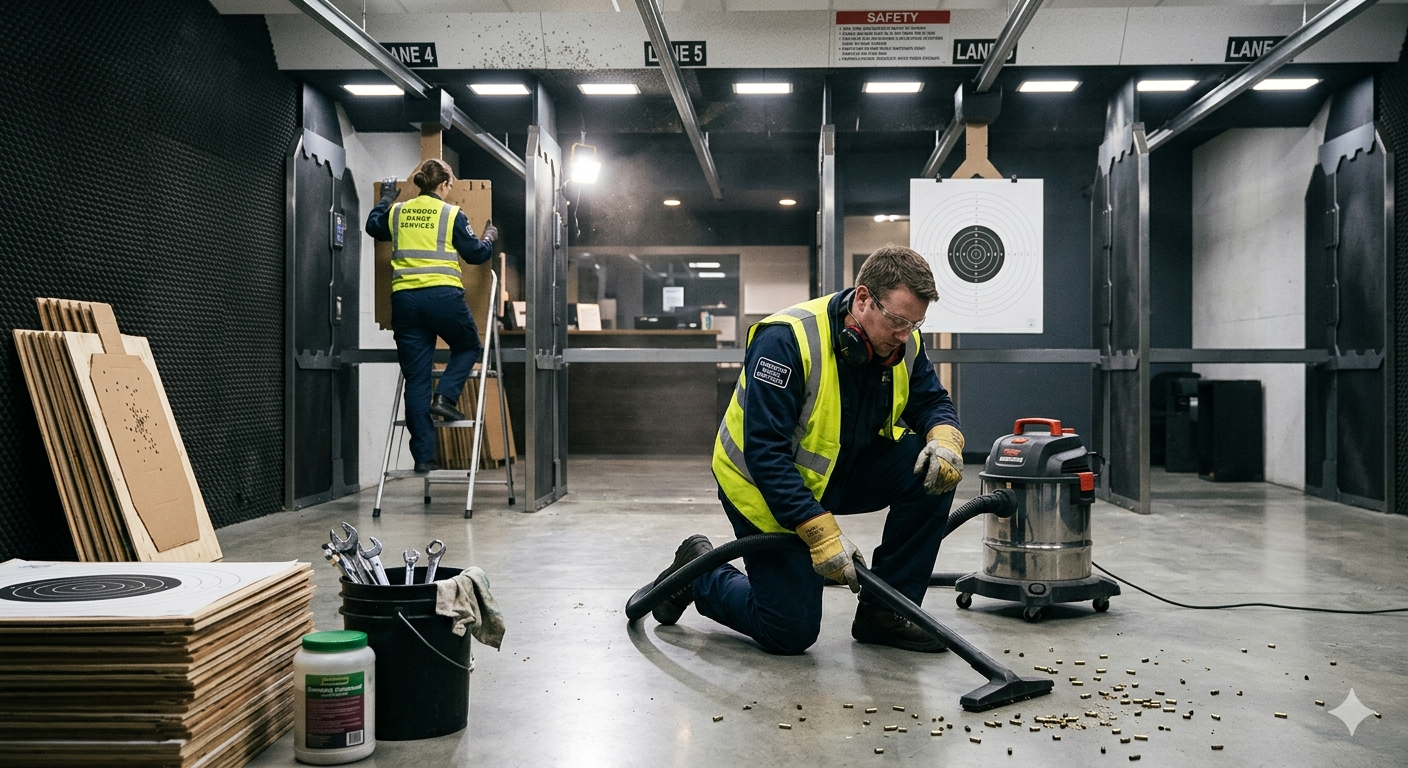
An often-overlooked aspect of environmental management is gun range maintenance. Shooting ranges generate lead contamination, hazardous dust, and waste materials that require specialized handling.
Professional gun range maintenance services help ensure ranges remain safe and compliant by addressing:
- Lead recovery and recycling
- Ventilation system cleaning
- Soil contamination management
- Bullet trap maintenance
- Hazardous waste disposal
- Air quality improvement
Without proper maintenance, shooting ranges can create serious environmental and health hazards for employees and visitors. Specialized environmental contractors help reduce these risks while maintaining regulatory compliance.
Why Businesses Need Professional Environmental Partners
Managing environmental risks internally can be challenging, especially for organizations operating in highly regulated industries. Professional environmental management companies provide expertise, equipment, and trained personnel that many businesses do not have in-house.
Key benefits of partnering with environmental specialists include:
Expertise and Experience
Professionals understand environmental regulations, hazardous materials, and industry best practices.
Rapid Emergency Response
Quick action during emergencies can prevent injuries and reduce environmental damage.
Cost Savings
Preventing contamination and compliance violations can save businesses significant long-term costs.
Improved Safety
Specialized services reduce workplace hazards and protect employees.
Regulatory Compliance
Environmental professionals help organizations meet legal requirements and avoid penalties.
The Future of Environmental Management
As industries continue evolving, environmental management services will become even more important. Growing environmental awareness, stricter regulations, and technological advancements are shaping the future of the industry.
Emerging trends include:
- Advanced contamination detection technologies
- Sustainable waste treatment methods
- Increased automation in environmental monitoring
- Greater emphasis on recycling and waste reduction
- Enhanced emergency response systems
Businesses that proactively invest in environmental management are better positioned to adapt to changing regulations and public expectations.
Conclusion
Environmental management and hazardous waste services play a vital role in protecting businesses, employees, communities, and the environment. From emergency chemical spill response to soil remediation, industrial cleaning, and gun range maintenance, these specialized services help organizations operate safely and responsibly in high-risk environments.
Companies like HCI Environmental demonstrate how professional environmental service providers support industries through rapid response, regulatory expertise, and comprehensive safety solutions. Their ability to handle hazardous waste transportation, decontamination, demolition, asbestos and lead abatement, and industrial cleaning helps businesses reduce environmental risks while maintaining compliance and operational efficiency.
As environmental regulations continue to evolve and public awareness grows, professional environmental management services will remain essential for organizations committed to safety, sustainability, and responsible operations.