Refrigeration has moved well beyond the basic household fridge. Today, specialized cooling equipment serves homes, restaurants, laboratories, clinics, and food processing businesses, and each setting has its own demands. A wine cooler must protect flavor, a beverage cooler must keep drinks at an appealing serving temperature, and a medical refrigerator must hold a narrow temperature range to protect sensitive products.
This article explains how these appliances differ, what manufacturers focus on during design and production, and which factors buyers should weigh before choosing a supplier. Whether you are furnishing a kitchen, equipping a commercial space, or sourcing products for resale, understanding the technology behind these units helps you make a better decision.
Wine Storage and the Need for Precise Cooling
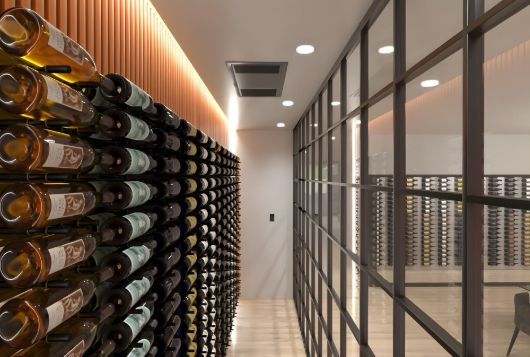
Wine is sensitive to heat, light, vibration, and humidity. A bottle stored at unstable temperatures can age too quickly or develop unpleasant flavors. This is why serious collectors and restaurants rely on dedicated wine cellar refrigeration units instead of a standard kitchen fridge, which runs too cold and too dry for long term storage.
A quality wine cooler holds a steady temperature, usually between 7 and 18 degrees Celsius depending on the wine style. Many models offer dual zones, so red and white wines can be stored at their ideal serving temperatures side by side. Compressor systems suit larger capacity cabinets and warmer rooms, while thermoelectric systems run quietly and suit smaller, low vibration installations.
Manufacturers also pay close attention to the cabinet itself. UV protective glass doors reduce light exposure, wooden shelves allow gentle bottle handling, and tight door seals keep humidity stable. Together, these features separate a true wine storage appliance from a simple cooling box.
Beverage Coolers for Homes, Cafes, and Retail
Beverage coolers focus on convenience and presentation. They keep soft drinks, beer, sparkling water, juices, and other bottled products at a refreshing temperature while displaying them clearly. In a home, they often sit in a kitchen, bar area, or entertainment room. In commercial settings, they appear in convenience stores, cafes, hotels, and offices.
Several design choices shape performance. Glass doors with low emissivity coatings reduce condensation and improve insulation. LED lighting highlights products without adding much heat. Adjustable shelves let owners store everything from slim cans to large bottles. Forced air cooling distributes cold air evenly, which prevents warm spots that can spoil stock or leave drinks unevenly chilled.
Energy use matters as well. Commercial coolers run for long hours, so efficient compressors, quality insulation, and well designed airflow can lower operating costs noticeably over the life of the unit. Manufacturers that test their products under realistic ambient conditions tend to deliver more reliable results.
Medical Refrigerators and Strict Temperature Control
Medical refrigerators serve a very different purpose. Hospitals, pharmacies, clinics, and research laboratories use them to store vaccines, medications, reagents, and biological samples. In many cases, the safe range is narrow, often between 2 and 8 degrees Celsius, and even short deviations can reduce the effectiveness of a product.
For this reason, a medical refrigerator manufacturer must build around accuracy and traceability. Digital controllers with precise sensors maintain stable temperatures, while audible and visual alarms warn staff about door openings or power problems. Data logging features record temperature history, which supports audits and regulatory compliance. Many units include lockable doors, backup power options, and forced air circulation to keep conditions uniform across every shelf.
Material choice also plays a part. Interiors should be easy to clean and resistant to corrosion, since hygiene is essential in healthcare settings. Buyers should check whether a manufacturer follows recognized quality management standards and can provide documentation on testing and certification.
Specialty Kitchen and Food Machinery Applications
Cooling technology has also reached specialized food equipment. Professional kitchens and serious home cooks increasingly use controlled environment appliances to improve flavor and texture. A dry aging fridge is a good example. It holds meat at a stable low temperature with carefully managed humidity and airflow, allowing natural enzymes to tenderize the beef while moisture slowly evaporates and concentrates flavor. You can learn more about this category through a dedicated dry aging fridge supplier.
Designing this type of appliance is more demanding than building an ordinary cooler. The cabinet must control humidity, filter the air, and maintain consistent airflow to prevent unwanted bacterial growth. Stainless steel interiors, adjustable racks, and sometimes UV or carbon filters support hygiene and long term use.
Similar thinking applies across food machinery and industrial kitchen equipment. Blast chillers, display cabinets, and prep tables all rely on reliable refrigeration to keep ingredients safe and fresh. A manufacturer with experience in several of these categories often brings useful engineering knowledge to each product line.
What to Look for in a Refrigeration Manufacturer
Choosing a supplier involves more than comparing price lists. Start with production capability. A capable manufacturer should offer in-house design, testing, and quality control, along with the flexibility to produce custom sizes, branding, or specifications for different markets.
Next, review certifications and compliance. Electrical safety marks, refrigerant regulations, and energy standards vary by region, and a reliable supplier should understand them. Ask about the compressor brands used, the type of insulation, and the refrigerant selected, since these choices affect efficiency, noise, and environmental impact.
Finally, consider service and support. Warranty terms, spare parts availability, and technical assistance matter greatly for commercial users who cannot afford long downtime. Samples, factory audits, and references from existing customers can reveal how a manufacturer performs in practice.
Conclusion
Wine coolers, beverage coolers, and medical refrigerators may look similar from the outside, but each one solves a distinct problem. Wine units protect delicate flavors, beverage coolers combine presentation with efficient chilling, and medical refrigerators safeguard products where accuracy is critical. Specialized food appliances extend these ideas into kitchens and processing environments.
By understanding temperature ranges, design features, and manufacturing standards, buyers can match the right appliance to the right application. A careful look at a supplier’s engineering skills, certifications, and support will lead to equipment that performs reliably for years.