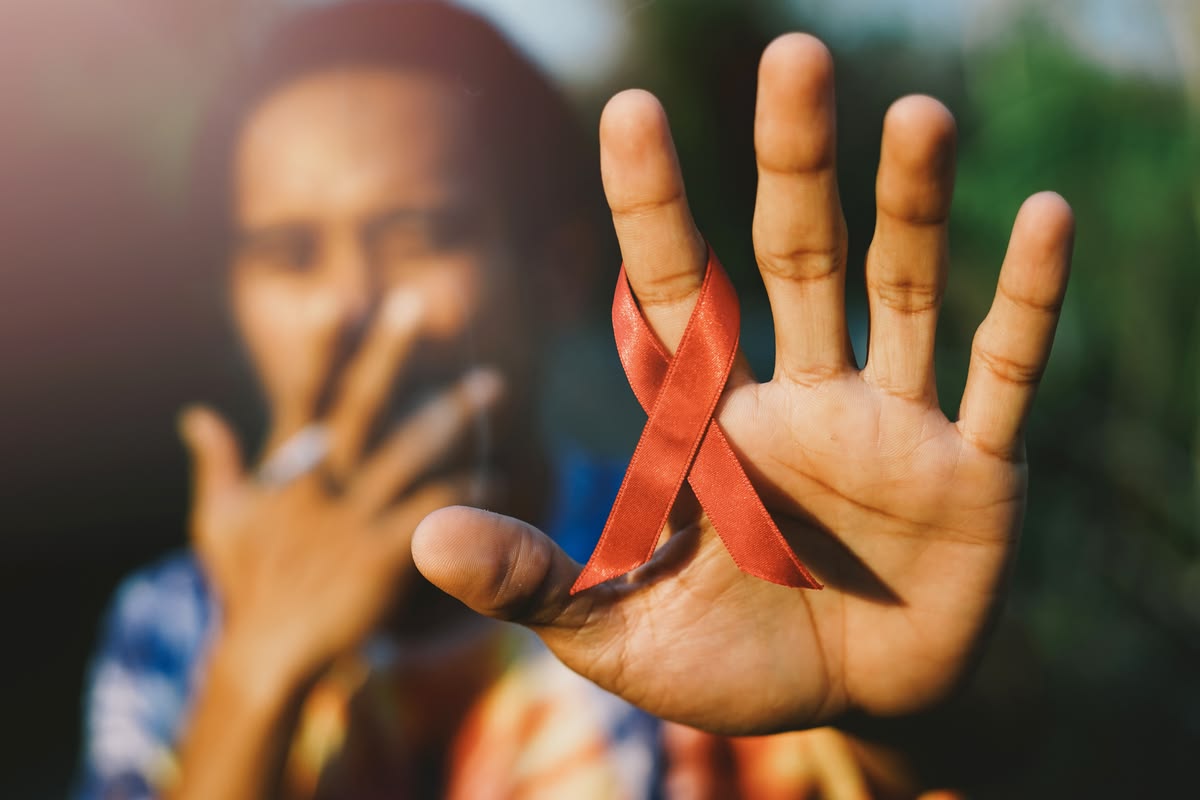
HIV treatment can prevent sexual transmission of HIV when a person maintains a suppressed viral load, a principle known as Undetectable = Untransmittable (U=U).
The main treatment for HIV is antiretroviral therapy (ART). ART suppresses HIV replication, reducing the amount of virus in the blood. When viral suppression is maintained, there is no risk of sexually transmitting HIV to a sexual partner.
Treatment also substantially reduces the risk of HIV transmission from a mother to her baby during pregnancy and childbirth when appropriate care is provided. However, the prevention of transmission through breastfeeding involves additional considerations and should be managed with specialist guidance.
It is important to understand that starting HIV treatment does not immediately eliminate transmission risk. Viral suppression needs to be achieved and maintained, and treatment needs to be taken consistently.
ART also does not prevent other sexually transmitted infections (STIs), so additional prevention measures may still be appropriate.
How Does HIV Treatment Reduce Transmission?
HIV treatment works by suppressing the virus’s ability to reproduce.
Without treatment, HIV can multiply rapidly, resulting in a higher viral load.
A higher viral load generally means there is more HIV circulating in the blood and a greater likelihood of transmission when an exposure occurs.
ART interferes with different stages of the HIV life cycle. As treatment suppresses viral replication, the amount of HIV in the blood falls.
The treatment therefore provides two important benefits:
- It protects the health of the person living with HIV.
- It reduces the likelihood of passing HIV to others.
The prevention effect is particularly well established for sexual transmission.
What Is an Undetectable Viral Load?
An undetectable viral load means that the amount of HIV in the blood is below the detection limit of the test being used.
It does not mean that HIV has been eliminated from the body.
HIV can remain in certain cells and tissues even when it cannot be detected in the blood using standard viral load testing.
This is why a person must continue taking ART even after achieving an undetectable viral load.
If treatment is stopped, HIV can begin reproducing again and the viral load can increase.
What Is U=U?
U=U stands for Undetectable = Untransmittable.
It means that a person living with HIV who takes effective ART and maintains a sustained viral load below the level associated with sexual transmission does not sexually transmit HIV to their partner.
Clinical guidance uses a viral load of less than 200 copies/mL as the threshold for preventing sexual transmission when maintained with effective ART.
The principle is supported by large studies involving couples in which one partner had HIV and the other did not. Across these studies, no linked sexual HIV transmissions occurred when the partner with HIV maintained viral suppression.
Does U=U Apply to All Types of HIV Transmission?
No.
The strongest evidence for zero transmission risk applies to sexual transmission.
The risk of transmission through other routes, such as breastfeeding or sharing injection equipment, involves different circumstances and should not automatically be described as zero simply because a person is on ART.
How Long Does It Take for Treatment to Prevent Sexual Transmission?
Starting ART does not mean that a person immediately reaches the level of viral suppression required for U=U.
The viral load generally decreases after effective treatment begins, but the timeframe varies.
Factors that can influence how quickly viral suppression occurs include:
- Viral load before treatment
- Treatment regimen
- Medication adherence
- Drug resistance
- Other medical conditions
- Drug interactions
Many people achieve viral suppression within the first few months of effective treatment.
Until viral suppression has been documented and maintained, additional HIV prevention measures should be used during sex. These may include condoms, PrEP for the HIV-negative partner or temporarily avoiding sex.
Does an Undetectable Viral Load Need to Be Maintained?
Yes.
U=U depends on sustained viral suppression, not simply one undetectable test result.
Regular viral load monitoring helps determine whether treatment continues to control HIV.
A person should also continue taking ART as prescribed.
If the viral load becomes detectable again, the healthcare team may investigate possible reasons, such as:
- Missed doses
- Drug interactions
- Drug resistance
- Problems with medication absorption
- Changes in treatment effectiveness
The treatment may then be adjusted if necessary.
What Happens If You Miss HIV Medication?
Missing an occasional dose can happen, but repeated missed doses can make it more difficult to maintain viral suppression.
If ART is not taken consistently:
- HIV may begin reproducing again
- Viral load may increase
- The risk of developing drug resistance can increase
- The risk of transmitting HIV may increase
If you miss a dose, follow the instructions provided for your specific medication or ask your healthcare provider or pharmacist what to do.
If you are regularly missing doses, discuss the reason with your healthcare team.
The problem may be related to:
- Side effects
- Forgetfulness
- Travel
- Changes in routine
- Difficulty obtaining medication
- Concerns about privacy
- Emotional or practical difficulties
Addressing these barriers can help maintain treatment effectiveness.
Can HIV Treatment Prevent Transmission During Sex?
Yes, when effective ART has resulted in sustained viral suppression.
Sexual transmission is the area in which the evidence for U=U is strongest.
When a person living with HIV maintains a viral load below 200 copies/mL on effective ART, there is no risk of sexually transmitting HIV to their partner.
This applies to:
- Vaginal sex
- Anal sex
The evidence supporting U=U also includes different sexual practices and has not shown linked sexual transmissions when viral suppression is maintained.
Can HIV Treatment Prevent Transmission During Oral Sex?
The risk of HIV transmission through oral sex is already much lower than through vaginal or anal sex.
When a person with HIV has sustained viral suppression through effective ART, there is no risk of sexually transmitting HIV regardless of the type of sex.
However, other STIs can still be transmitted through oral sex.
ART does not protect against infections such as:
- Gonorrhoea
- Syphilis
- Chlamydia
- Genital herpes
- Human papillomavirus (HPV)
Can HIV Treatment Prevent Transmission to a Baby?
Yes. Effective ART is an important part of preventing mother-to-child transmission of HIV.
HIV can be transmitted during:
- Pregnancy
- Labour and delivery
- Breastfeeding
Starting and maintaining effective treatment during pregnancy can substantially reduce the risk of transmission.
Additional measures may include:
- Regular maternal viral load monitoring
- Appropriate obstetric care
- Antiretroviral medication for the newborn when indicated
- Infant HIV testing and follow-up
The treatment plan should be coordinated between the HIV and obstetric care teams.
Is the Risk Completely Eliminated During Pregnancy?
The risk can become extremely low when effective treatment and appropriate pregnancy care are maintained.
However, mother-to-child transmission involves different stages and additional considerations compared with sexual transmission.
The risk can also be affected by whether the mother’s viral load is suppressed throughout pregnancy and around delivery.
Pregnant patients living with HIV should therefore receive specialist care rather than assuming that an undetectable viral load alone removes every possible risk.
What About Breastfeeding?
Breastfeeding requires additional consideration because HIV can be transmitted through breast milk.
Effective ART and viral suppression substantially reduce this risk, but the risk is not necessarily zero in every breastfeeding situation.
Recommendations regarding infant feeding can differ according to local healthcare guidance and individual circumstances.
People living with HIV who are pregnant or considering breastfeeding should discuss feeding options with their HIV and obstetric care teams.
Does HIV Treatment Prevent Transmission Through Needles?
ART can reduce the amount of HIV in the blood and is therefore expected to reduce the risk of transmission through exposure to infected blood.
However, the evidence for a zero transmission risk from sharing injection equipment is not as strong as the evidence for sexual transmission.
People who inject drugs should therefore not rely on ART alone to prevent transmission through shared equipment.
Using sterile needles and syringes remains important.
Where relevant, other harm-reduction measures and appropriate HIV prevention services should also be considered.
Can HIV Treatment Prevent Transmission Through Blood?
In healthcare settings, blood and blood products are subject to screening and safety procedures that greatly reduce the risk of HIV transmission.
For a person living with HIV, maintaining viral suppression through ART reduces the amount of HIV circulating in the blood.
However, U=U specifically refers to sexual transmission and should not be extended automatically to every type of blood exposure.
If there is an accidental occupational exposure, needle-stick injury or other potential exposure to HIV, appropriate medical assessment is still required.
What If Someone Has Been Exposed to HIV Before Viral Suppression Is Achieved?
If a person may have been exposed to HIV through sex or another high-risk route, post-exposure prophylaxis (PEP) may be appropriate.
PEP is a short course of HIV medication taken after a potential exposure.
It needs to be started as soon as possible and, in Singapore, should be started within 72 hours of a possible high-risk exposure.
Examples of situations in which PEP may be considered include:
- Unprotected sex with a person who may have HIV
- Condom failure during a higher-risk sexual exposure
- Sharing contaminated needles
- Certain occupational needle-stick injuries
- Sexual assault
PEP is different from ART used to treat established HIV infection.
If a recent exposure has occurred, do not wait for the source person’s viral load results before seeking urgent medical advice about PEP.
What Is PrEP and How Is It Different From HIV Treatment?
Pre-exposure prophylaxis (PrEP) is HIV medication taken by people who do not have HIV to reduce their risk of acquiring the infection.
ART is taken by people living with HIV to control the virus.
The two approaches therefore have different purposes:
ART
Used to:
- Treat HIV
- Suppress viral replication
- Protect immune function
- Prevent sexual transmission when viral suppression is maintained
PrEP
Used by people without HIV to:
- Reduce the risk of acquiring HIV
A person living with HIV who has achieved sustained viral suppression does not need PrEP for protection from sexual transmission from themselves to their partner.
However, an HIV-negative partner may still choose PrEP depending on their circumstances and risk tolerance.
Do Condoms Still Matter If Someone Has an Undetectable Viral Load?
Condoms are not required to prevent sexual transmission of HIV when sustained viral suppression has been achieved and maintained.
However, condoms can still provide protection against other STIs.
They may also be used for contraception.
This distinction is important because U=U applies specifically to HIV transmission, not to every infection that can be transmitted through sexual contact.
Does HIV Treatment Prevent Other STIs?
No.
ART specifically targets HIV.
It does not prevent infections such as:
- Chlamydia
- Gonorrhoea
- Syphilis
- Genital herpes
- HPV
- Hepatitis B
- Hepatitis C
People living with HIV should therefore continue to receive appropriate STI screening and preventive care.
What If the Viral Load Becomes Detectable Again?
A detectable viral load does not necessarily mean that HIV treatment has completely failed.
There are several possible explanations.
A Viral Blip
A person with sustained viral suppression may occasionally have a low-level detectable result followed by a return to an undetectable result.
This is sometimes called a viral blip.
A single low-level result does not necessarily indicate treatment failure.
Missed Medication
Repeated missed doses can allow HIV to reproduce again.
Drug Resistance
HIV can develop resistance to some antiretroviral medicines, making them less effective.
Drug Interactions
Other medicines, supplements or substances can sometimes affect how ART works.
If the viral load becomes persistently detectable or starts increasing, the healthcare team can investigate the cause.
Can Someone Become Undetectable Again?
Often, yes.
A detectable viral load does not automatically mean that viral suppression cannot be restored.
The healthcare team may review:
- Medication adherence
- Treatment history
- Drug interactions
- Resistance testing
- Other medical conditions
- The pattern of viral load results
The treatment regimen can then be adjusted when necessary.
The goal is to restore and maintain effective viral suppression.
Can Someone With HIV Have a Relationship Without Passing on HIV?
Yes.
A person living with HIV who takes effective ART and maintains sustained viral suppression does not sexually transmit HIV to their partner.
This means that HIV treatment can play an important role in allowing couples to have relationships and sexual lives without the risk of sexual HIV transmission.
Open communication about treatment, viral load and sexual health can still be useful for couples.
In Singapore, there are also specific requirements relating to stable undetectable viral load and disclosure to sexual partners under the Infectious Diseases Act. Patients should obtain current medical or legal advice if they need to understand how these requirements apply to their individual circumstances.
Can People Living With HIV Have Children Without Passing on HIV?
Yes.
People living with HIV can have children while substantially reducing the risk of HIV transmission through appropriate medical care.
Treatment planning can include:
- Achieving viral suppression before conception where possible
- Maintaining ART during pregnancy
- Monitoring viral load
- Appropriate obstetric management
- Newborn antiretroviral medication when indicated
- Infant testing and follow-up
Pregnancy planning should be discussed with the HIV care team before conception where possible.
What Does HIV Treatment as Prevention Mean?
Treatment as prevention, sometimes abbreviated as TasP, describes the use of effective HIV treatment to reduce the likelihood of transmitting HIV to others.
The concept is based on the relationship between:
ART → viral suppression → reduced HIV in the blood → reduced transmission risk
For sexual transmission, sustained viral suppression below 200 copies/mL means there is no risk of sexual transmission.
Treatment as prevention therefore benefits both the person living with HIV and their sexual partners.
What Are the Benefits of Starting HIV Treatment Early?
Starting ART early has benefits beyond reducing transmission risk.
Effective treatment can:
- Protect the immune system
- Reduce the risk of HIV-related complications
- Reduce the likelihood of progressing to AIDS
- Help achieve viral suppression
- Reduce sexual transmission risk
- Reduce the risk of mother-to-child transmission during pregnancy
Early treatment also means that people can spend less time with a high viral load, when the risk of transmission is greater.
Why Is Adherence Important for Preventing Transmission?
ART needs to be taken consistently to maintain viral suppression.
When treatment is interrupted, the viral load can rise.
This can affect:
- The person’s health
- The effectiveness of treatment
- The risk of developing drug resistance
- The risk of transmitting HIV sexually
For this reason, maintaining treatment adherence is an important part of both HIV care and HIV prevention.
How Is Viral Suppression Monitored?
The main test used to monitor HIV treatment is the viral load test.
The test measures the amount of HIV RNA in the blood.
Regular testing can determine whether:
- Treatment is working
- Viral suppression has been achieved
- Viral suppression is being maintained
- Further investigation is needed
CD4 testing may also be used to assess immune function, particularly during earlier stages of treatment or when the CD4 count is low.
HIV Treatment and Transmission Prevention in Singapore
HIV treatment is available through public hospitals and private healthcare institutions in Singapore.
The current Singapore approach recommends ART for people living with HIV and recognises the prevention benefit of effective treatment.
Singapore’s public HIV guidance states that people taking HIV treatment as prescribed can suppress their viral load to an undetectable level and that people who maintain stable viral suppression do not pose a risk of sexual transmission to their sexual partners.
Singapore also provides PrEP and PEP as additional HIV prevention options. PEP needs to be started within 72 hours of a possible high-risk exposure.
People living with HIV should continue regular medical follow-up so that viral suppression and treatment adherence can be monitored.
What Should You Do If You Are Living With HIV?
If you have HIV, several steps can help maintain treatment effectiveness and reduce the risk of transmission.
Take ART as Prescribed
Consistent treatment is the foundation of viral suppression.
Attend Regular Follow-Up
Viral load testing helps confirm whether treatment remains effective.
Discuss Side Effects
If medication causes troublesome side effects, speak with your healthcare provider rather than stopping treatment.
Tell Your Healthcare Provider About Other Medicines
Some medicines and supplements can interact with ART.
Discuss Pregnancy Plans
If you are planning a pregnancy, speak with your healthcare team early so treatment can be optimised.
Continue STI Prevention
ART prevents sexual transmission of HIV when viral suppression is maintained, but it does not prevent other STIs.
Yes, HIV treatment can prevent transmission to others, particularly sexual transmission when viral suppression is sustained. Effective antiretroviral therapy suppresses HIV replication and can reduce the viral load to an undetectable level. When a person maintains a viral load below 200 copies/mL on effective ART, there is no risk of sexually transmitting HIV. This is known as Undetectable = Untransmittable (U=U).
However, treatment does not immediately eliminate transmission risk after the first dose. Viral suppression needs to be achieved and maintained, and ART needs to be taken consistently. Additional prevention measures may be appropriate while someone is waiting to achieve confirmed viral suppression.
ART also substantially reduces the risk of HIV transmission from mother to baby during pregnancy and childbirth when appropriate treatment and medical care are provided. Breastfeeding involves additional considerations because HIV can still be transmitted through breast milk, even when the risk is greatly reduced with effective treatment.
For other exposure routes, such as sharing injection equipment, treatment reduces the amount of virus in the body but should not be treated as providing the same confirmed zero-risk protection as U=U for sexual transmission. Sterile injection equipment and other appropriate prevention measures remain important.
HIV treatment is therefore both a treatment for the person living with HIV and an important tool for preventing onward transmission. Regular viral load monitoring and consistent adherence are central to maintaining this protection.
For people living with HIV in Singapore, HIV treatment is available through public and private healthcare services. If you are taking ART and want to understand whether you have achieved sustained viral suppression or what your viral load means for transmission, your healthcare provider can explain your results and prevention options.
This article is for general information only and should not replace medical advice from a qualified healthcare professional.