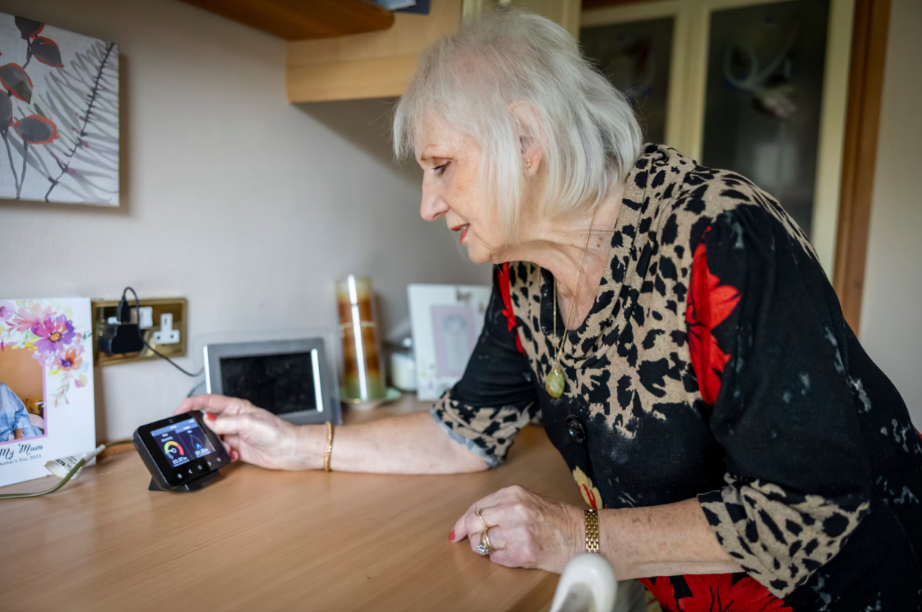
Smart technology is giving older adults more practical ways to live independently while staying connected to the people who support them. Discreet sensors, wearable devices and connected home systems can spot changes that might otherwise go unnoticed. The best solutions fit naturally into daily routines and preserve personal choice, without making a home feel clinical. Their value depends on thoughtful setup, reliable connectivity and a clear plan for responding when an alert appears.
Ambient Sensors in Modern Living Spaces
Ambient sensors monitor conditions or patterns without requiring someone to press a button. Motion detectors might confirm that a person has entered the kitchen in the morning, while bed sensors can identify an unexpected change in sleeping habits. The wider field of ambient sensing technology also includes door contacts, temperature monitors and water leak detectors.
A detailed review of independent living sensors shows how several types of data can support activity monitoring and risk detection. Start with a specific need, such as identifying prolonged inactivity and place only the sensors needed for that purpose. Review notification settings with everyone involved so ordinary routine changes don’t trigger unnecessary concern.
Wearable Tech Meets Personal Care
Wearables bring support beyond fixed points in the home. A water-resistant pendant may remain accessible in the shower, while a wrist-worn device can provide reminders or track movement throughout the day. Comfort matters because even the most capable product provides little help when it stays on a bedside table.
When comparing senior monitoring devices, check for two-way voice communication, automatic fall detection and long backup battery life. Ask who receives an alert, how quickly the monitoring service responds and what happens if the wearer cannot speak. Test the device from the bedroom, bathroom and garden, then schedule a monthly check so charging habits and contact details remain current.
Bridging Convenience and Urgent Safety
Connected lighting, voice assistants and smart plugs make everyday tasks easier, but urgent safety features need a higher standard of reliability. A voice command that turns off a lamp is useful. An emergency alert must also work during a stressful event, when the user may be unable to reach a phone or explain their location.
Build a simple response plan around the technology. Decide which family member or carer receives routine notices and which situations should go directly to a monitoring team. Keep access instructions and medical contacts up to date. Devices should also have clear controls, audible confirmation and battery backup. Run practice alerts at agreed times, including one during a power cut simulation if the manufacturer’s instructions allow it.
Seamless Connectivity for True Peace of Mind
A collection of smart products works best when alerts reach the right person through one dependable system. Check whether devices rely on home Wi-Fi, a mobile network or both. Weak coverage in a hallway or garden can create blind spots, so test connectivity across the whole property before relying on it.
Privacy deserves equal attention. Limit account access, turn on multi-factor authentication where available and review which data each device stores. Families should agree on what monitoring is reasonable and when notifications are appropriate. This conversation connects closely with the broader ways technology is changing personal space. Regularly revisiting permissions helps the system remain supportive without becoming intrusive.
Smart independent living works best when each device solves a clearly identified problem. A sensor beside a frequently used door, a wearable kept within reach, and an agreed alert procedure can create a dependable safety net. Once installed, test the full chain from detection to response, since a successful notification matters more than an impressive list of features.