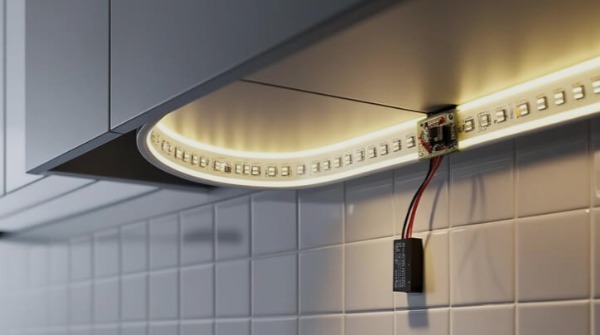
Introduction: The Growing Popularity of LED Strip Lighting
A simple line of light beneath a cabinet or along a ceiling can completely change the appearance of a room. LED strip lighting has become a practical choice for homeowners, retailers, designers, and contractors because it combines flexible installation with adaptable illumination. These products are suitable for decorative accents, display lighting, workspaces, and architectural features. However, successful lighting projects depend on selecting appropriate specifications and reliable products. Understanding brightness, energy consumption, electrical compatibility, and supplier quality helps buyers make informed decisions while creating lighting arrangements that balance visual appeal, efficiency, and dependable long-term performance.
Understanding LED Strip Light Technology
LED strip lights consist of light-emitting diodes mounted on a flexible printed circuit board. Their compact design allows installation in narrow spaces where conventional fixtures may be unsuitable. Depending on the product, strips can offer different brightness levels, color temperatures, lengths, and control options. When evaluating an LED strip lights supplier, buyers should consider product construction, technical documentation, and consistency between manufacturing batches. These factors influence installation quality and operating reliability. Understanding the intended application before purchasing makes it easier to identify suitable strips for residential interiors, retail displays, hospitality environments, and commercial lighting projects.
Selecting the Appropriate Power Rating
Power consumption is an important consideration when choosing LED strips for a particular installation. Products with different wattage ratings may produce different levels of illumination, so buyers should compare power requirements alongside brightness and efficiency. For example, the specification 3528 LED light strip Max Power:4.8W/1Meter indicates a maximum power rating of 4.8 watts per meter. A five-meter installation using this strip would have a nominal maximum load of 24 watts, excluding additional system losses. Calculating the expected load helps installers select a compatible power supply and avoid electrical problems during regular operation.
Choosing Lighting for Different Environments
LED strips can support a wide range of lighting applications, but the most suitable design depends on the environment. Warm white lighting often complements residential interiors, while neutral white can suit offices, kitchens, and commercial work areas. RGB strips provide color-changing effects for entertainment spaces and decorative displays. Buyers researching led tape light wholesale options should identify whether the products are intended for accent lighting, task lighting, signage, or architectural installations. Each application has different requirements for brightness, color consistency, and protection. Matching these characteristics to the intended setting helps create balanced illumination and reduces the need for later replacements.
Energy Efficiency and Operating Costs
LED technology can provide useful illumination with relatively low electricity consumption compared with traditional incandescent lighting. Nevertheless, actual energy savings depend on the strip’s efficiency, operating hours, selected brightness, and the quality of the supporting electrical equipment. Businesses purchasing products in quantity should compare wattage and light output rather than relying only on marketing claims. An appropriately rated power supply and suitable installation method can also contribute to stable operation. Reviewing expected usage helps estimate running costs more realistically. For businesses managing multiple properties or displays, this information can support practical budgeting and more consistent lighting decisions.
Installation, Voltage, and Electrical Compatibility
Correct installation is essential for reliable LED strip performance. Before purchasing, installers should confirm the required input voltage, maximum power consumption, connector type, and compatible control equipment. Longer strips may experience voltage drop, potentially causing uneven brightness across the installation. Suitable wiring and power supply capacity can help reduce this issue. Mounting surfaces should also be clean and appropriate for the strip’s adhesive, while enclosed installations require attention to heat dissipation. Following manufacturer instructions improves safety and helps prevent flickering, overheating, and premature failure. Careful preparation is particularly important when multiple strips operate from a shared electrical supply.
Durability and Environmental Protection
The environment surrounding an LED strip influences its expected service life. Indoor decorative applications may require only basic protection, while outdoor signage and moisture-prone locations may need products with suitable water and dust resistance. Buyers should examine ingress protection ratings, operating temperature limits, insulation quality, and installation recommendations before selecting a model. A dependable LED strip lights supplier should provide clear product specifications to support this evaluation. Connectors and cut ends may also require protection, depending on the installation. Selecting a suitable product for its environment helps maintain consistent illumination and reduces the likelihood of avoidable maintenance problems.
Buying in Wholesale Quantities
Wholesale purchasing can help retailers, contractors, and distributors maintain stock for ongoing projects and recurring customer demand. However, ordering larger quantities requires careful planning to prevent excess inventory or specification mismatches. Businesses considering led tape light wholesale purchases should confirm product availability, minimum order quantities, packaging, delivery schedules, and quality standards before committing. Requesting samples can help verify brightness, flexibility, color consistency, and adhesive performance. Buyers should also clarify warranty conditions and procedures for resolving product defects. Evaluating the complete purchasing arrangement, rather than unit price alone, helps businesses balance cost control with reliability and customer expectations.
Conclusion
LED strip lighting provides flexible options for improving visibility and creating attractive environments across residential, commercial, and industrial applications. Successful results depend on choosing appropriate power ratings, ensuring electrical compatibility, and matching product protection to the installation environment. Businesses exploring lighting products can visit dekingled.com to review available options and identify solutions relevant to their requirements. Comparing technical specifications, checking samples, and planning quantities carefully can support better purchasing decisions. With suitable products and proper installation, LED strips can deliver practical illumination, manageable energy consumption, and consistent visual results for a variety of modern lighting projects.