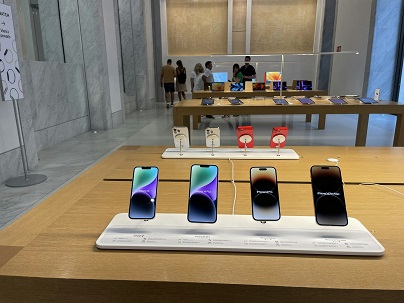
Mobile technology impact, particularly through smartphones and tablets, has significantly impacted various aspects of daily life and business operations. The rapid advancements in mobile technology have transformed how consumers access information, interact with brands, and ultimately make purchasing decisions. As a result, understanding this transformation is essential for businesses aiming to stay competitive in today’s fast-paced market. The popularity of mobile devices has reshaped consumer behavior in profound ways. Consumers are now equipped with the ability to instantly access a wealth of information at their fingertips, allowing them to make more informed choices about products and services. This shift has led to a rise in mobile commerce, where transactions are increasingly carried out via mobile applications and websites, enabling consumers to shop from virtually anywhere.
Moreover, the integration of mobile technology facilitates direct communication between consumers and businesses. Brands can engage with their audience through social media, email marketing, and targeted advertisements, enhancing the overall customer experience. This level of interaction fosters a more personalized approach to marketing, as businesses can tailor their offerings based on consumer preferences and behavior.
Another relevant aspect of mobile technology is its role in enhancing the convenience of shopping. Features such as location-based services, mobile wallets, and push notifications have made it easier for consumers to discover new products and complete purchases swiftly. The ability to compare prices, read reviews, and access promotions in real-time has empowered consumers to make choices that align with their needs.
In conclusion, mobile technology is a critical driver of change in consumer behavior, significantly influencing how individuals engage with brands and make purchasing decisions. As the landscape continues to evolve, businesses must adapt their strategies to effectively leverage mobile technology, ensuring they meet the expectations of a dynamic consumer base.
The Rise of Mobile Commerce
In recent years, mobile commerce, commonly referred to as m-commerce, has experienced substantial growth, fundamentally changing the way consumers engage in shopping activities. With the ubiquity of smartphones and the accessibility of mobile internet, more individuals are relying on their mobile devices to conduct commercial transactions than ever before. According to industry reports, mobile commerce is projected to represent over 70% of total e-commerce sales by the end of 2023, a staggering increase that underscores its rising significance in consumer purchasing behavior.
This evolution reflects a shift in consumer expectations, where users now demand seamless and convenient mobile shopping experiences. Mobile applications and websites that provide an optimized user interface and facilitate quick transactions are highly favored. Research shows that nearly 85% of consumers prefer mobile-friendly sites when making purchases, emphasizing the necessity for retailers to adjust their digital strategies accordingly. Moreover, mobile wallets and payment systems, such as Apple Pay and Google Wallet, have further streamlined the checkout process, reducing barriers to completing purchases.
Furthermore, the increasing availability of high-speed mobile internet has enabled consumers to shop on-the-go, significantly affecting their decision-making processes. Social media platforms have capitalized on this trend, integrating shopping features that allow users to discover products and make purchases directly within the app. This integration of social media and e-commerce, often referred to as social commerce, is shifting how brands engage with their audience, encouraging impulse buying and direct consumer-brand interactions.
The rise of mobile commerce not only encourages retailers to enhance their mobile platforms but also requires them to adopt data-driven marketing strategies that target consumers based on their mobile shopping behavior. By doing so, businesses can create personalized experiences that resonate with users, ultimately fostering loyalty and driving sales. The distinct transformation in consumer behavior towards mobile commerce highlights the importance of adapting to technological advancements.
Influence of Social Media on Mobile Consumer Behavior
The proliferation of mobile technology has fundamentally altered how consumers interact with social media platforms. In an era characterized by instant connectivity, social media has become a pivotal channel for consumer engagement. Mobile devices enable users to access social media effortlessly, leading to an increase in mobile-centric interactions and shaping consumer behavior in profound ways.
Social media platforms serve as essential tools for consumers to discover and evaluate brands. The ability to engage with content on the go allows consumers to research products and services while they are out and about, effectively streamlining the decision-making process. According to various studies, a significant percentage of users rely on social media recommendations before making purchases, highlighting the impact these platforms have on brand perception.
Additionally, mobile technology facilitates targeted advertising, which has enhanced the effectiveness of marketing strategies. Brands can leverage analytics to better understand consumer behavior patterns and preferences. Consequently, they can deliver personalized advertisements to users, increasing the likelihood of conversion. This means consumers are not just passively consuming content; they are actively engaged and influenced by the brands they follow.
Influencer marketing, in particular, has gained momentum as a result of mobile technology. Influencers act as trusted sources, often guiding consumer decisions based on their personal experiences. Their reach is amplified when consumers engage via mobile devices, making influencer endorsements more impactful. This dynamic has prompted brands to invest significantly in influencer partnerships, recognizing their potential to shape consumer behavior and purchasing decisions.
Moreover, the interactivity afforded by mobile social media encourages users to share their experiences and opinions about products. Reviews and feedback shared on these platforms contribute to a more informed consumer base, thereby influencing overall purchasing decisions. As mobile technology continues to evolve, its relationship with social media will undoubtedly keep shaping consumer behaviors, making it a critical area of focus for marketers.
Personalization and Targeting in Mobile Marketing
In recent years, the rapid advancement of mobile technology has significantly altered the landscape of marketing, particularly through personalization and targeting strategies. Businesses now utilize data collected from mobile devices to gain insights into consumer behavior, preferences, and needs. This data-driven approach allows marketers to create highly personalized experiences tailored to individual users, fostering a deeper connection between brands and consumers.
Targeted marketing campaigns leverage various data sources, such as location, browsing history, and purchase patterns, to deliver relevant content to users at the right moment. For example, a retail brand may utilize geolocation data to send time-sensitive offers to customers who are near one of their store locations. By doing so, businesses can increase foot traffic and directly influence purchasing decisions.
Moreover, utilizing behavioral data enhances the precision of targeted marketing efforts, allowing brands to predict future consumer behavior. Machine learning algorithms analyze patterns from vast datasets, enabling businesses to segment their audience effectively and tailor their marketing messages accordingly. This leads to more efficient use of marketing resources and higher conversion rates.
Personalization can also manifest in the form of customized content recommendations. Mobile applications and websites are increasingly using user profiles to suggest products or services based on past interactions. For instance, an e-commerce platform might recommend similar items or display complete sets that align with a user’s previous purchases, thereby enhancing the overall shopping experience.
As consumers become accustomed to these personalized experiences, their expectations continue to rise. They now seek brands that can understand their needs and preferences intuitively. Therefore, companies that invest in sophisticated data analytics and machine learning capabilities are likely to sustain competitive advantages in the evolving mobile marketing landscape. By leveraging personalization and targeting of mobile marketing, businesses not only elevate customer engagement but also drive sales and foster long-lasting loyalty.
Impact of Mobile Apps on Consumer Engagement
The proliferation of mobile applications has significantly reshaped consumer engagement across various sectors. While websites have provided a platform for businesses to share information, mobile apps enhance user experience through personalized features and seamless navigation. By offering tailored content and solutions directly aligned with consumer preferences, mobile applications are crucial in retaining user attention and fostering habitual usage.
With enhanced functionality, mobile apps provide consumers with immediate access to product information and services, facilitating informed decision-making. For instance, e-commerce apps enable users to browse products, compare prices, and read reviews within a matter of seconds. This instant access reduces the time consumers spend researching, thereby streamlining their path to purchase. Furthermore, apps often incorporate push notifications, reminding users of offers, updates, and recommendations tailored to their historical interactions. This form of direct communication reinforces brand visibility while promoting engagement through timely information.
Moreover, mobile applications cultivate brand loyalty by creating a sense of community and belonging among users. Many brands leverage gamification strategies or reward systems within their apps, encouraging repeat interactions and increasing customer retention. Such features not only provide incentives for continued patronage but also deepen the emotional connection consumers feel towards the brand. As a result, consumers are more likely to share their positive experiences with peers, further enhancing word-of-mouth marketing.
In summary, the integration of mobile apps into everyday consumer behavior has fortified engagement strategies. Through personalized experiences, immediate access to information, and loyalty incentives, mobile apps play a pivotal role in shaping how brands interact with their customers. This transformation underscores the significance of mobile technology in the evolving landscape of consumer behavior.
The Shift to On-Demand Services
In recent years, mobile technology has revolutionized the way consumers access products and services, significantly contributing to the emergence of on-demand services. With the advent of smartphones and mobile applications, consumers can now enjoy unparalleled convenience at their fingertips. Whether it is ordering food, booking a ride, or accessing streaming content, on-demand services have fundamentally altered consumer behavior and expectations.
This transformation is largely driven by the desire for immediacy and ease of access. Today’s consumers expect quick responses to their needs, with mobile apps catering to these demands by providing real-time solutions. For instance, ride-sharing platforms allow users to summon transportation in a matter of minutes, while food delivery apps enable them to receive meals from their favorite restaurants with just a few taps on their phone. This shift towards on-demand services emphasizes convenience, as users have the ability to manage their daily activities without the constraints of traditional service models.
Furthermore, mobile technology has facilitated a rise in personalized consumer experiences through on-demand services. Companies harness data analytics and consumer insights to tailor their offerings to individual preferences, thereby enhancing customer satisfaction. By streamlining access to services and tailoring experiences, businesses not only meet but also exceed consumer expectations, fostering loyalty and engagement.
As on-demand services become increasingly prevalent, consumer behaviors will continue to adapt. The readiness to embrace these swift solutions reflects a broader trend in society, wherein technology increasingly shapes expectations around service delivery. Consequently, businesses must be agile and responsive to remain competitive in this evolving landscape.
Potential Drawbacks and Challenges of Mobile Technology
While mobile technology has undeniably revolutionized the way consumers interact with businesses, it is essential to also evaluate the potential drawbacks and challenges that accompany this transformation. One of the most significant concerns is data privacy. As consumers increasingly use mobile apps for shopping and information access, they often share vast amounts of personal data. This rise in data generation poses risks, as companies face the challenge of protecting sensitive information from breaches and misuse. When users feel their privacy is compromised, it can lead to distrust, impacting their willingness to engage with mobile platforms.
Moreover, the impact of mobile addiction is a growing issue. The ubiquitous nature of smartphones has led to excessive screen time, which can negatively affect mental health and well-being. Consumers may find themselves overwhelmed by constant notifications and the pressure to remain connected, often leading to anxiety and reduced productivity. This addiction not only affects individual users but also transforms their purchasing behaviors, as they may make impulsive buying decisions influenced by social media and targeted advertising.
Businesses also face considerable challenges in adapting to the rapid technological advancements. The fast-paced evolution of mobile technology necessitates businesses to continuously update their strategies and tools to remain relevant. This adaptability requires financial investment and constant training for employees, which can be daunting, especially for small to medium-sized businesses. Furthermore, keeping up with consumer expectations driven by competitors can be overwhelming, as consumers demand seamless and innovative mobile experiences.
In conclusion, while mobile technology plays a pivotal role in shaping consumer behavior, it is crucial to recognize and address the drawbacks and challenges that arise from its increased use. Balancing innovation with ethical considerations and user well-being will be vital for businesses striving to succeed in this rapidly changing landscape.
Future Trends in Mobile Technology and Consumer Behavior
The rapid evolution of mobile technology is anticipated to further reshape consumer behavior in unprecedented ways. Emerging trends suggest that advancements in mobile devices, applications, and services will continue to influence how consumers interact with brands and make purchasing decisions.
One of the most significant trends is the integration of artificial intelligence (AI) within mobile applications. As AI becomes more sophisticated, consumer expectations for personalized experiences will increase. Consumers will expect mobile applications to understand their preferences and behaviors, leading to more tailored recommendations and offers. This level of customization not only enhances user experience but also drives loyalty and repeat business, reflecting a deeper relationship between consumers and brands.
Moreover, the rise of augmented reality (AR) and virtual reality (VR) in mobile platforms signals a shift in consumer engagement. As these technologies become more mainstream, brands will harness them to create immersive shopping experiences. For instance, consumers may use AR applications to visualize how products fit into their lives or homes before making a purchase. This capability not only helps in decision-making but also increases consumer confidence in their purchases, leading to higher conversion rates for businesses.
Additionally, the growing prevalence of mobile payment solutions is set to enhance convenience and security in transactions. As consumers become increasingly accustomed to using their smartphones for payments, businesses will need to adapt accordingly by offering seamless payment options that cater to this trend. A responsive mobile payment system not only improves transaction efficiency but also aligns with the consumer demand for speed and convenience.
In summary, the future of mobile technology holds promising trends that are destined to redefine consumer behavior. AI-driven personalization, immersive experiences through AR/VR, and the rise of mobile payment systems will all play crucial roles in shaping the dynamics of customer engagement in the years to come.
Conclusion
mobile technology impact has demonstrated a profound ability to reshape consumer behavior in numerous ways. Throughout this discussion, we have explored how mobile devices have transformed the consumer landscape, emphasizing trends such as increased accessibility to information, personalized marketing strategies, and the rise of mobile commerce. These changes not only enhance consumer convenience but also encourage greater engagement through real-time interactions and tailored experiences.
As consumers continue to depend on their mobile devices for shopping, product research, and communication, businesses must adapt their strategies to keep pace with these evolving behaviors. Companies can utilize mobile technology to create user-friendly interfaces, optimize websites for mobile access, and deploy location-based services that enhance customer interaction. Furthermore, embracing mobile payment solutions can streamline transactions, thus catering to the growing preference for cashless alternatives.
Moreover, the importance of social media integration cannot be understated, as these platforms increasingly serve as a marketplace and a critical touchpoint for brands to connect with their audience. Understanding this shift allows businesses to craft relevant marketing messages that resonate with a mobile-savvy demographic, ultimately leading to improved retention and loyalty.
As we conclude, it is essential for both businesses and consumers to recognize the ongoing impacts of mobile technology on buying habits and preferences. Companies should remain vigilant in evolving their practices to align with mobile trends while consumers are encouraged to utilize the convenience and resources offered by mobile technology in their purchasing decisions. In doing so, both parties can navigate and thrive in the ever-changing marketplace that mobile technology continues to shape.