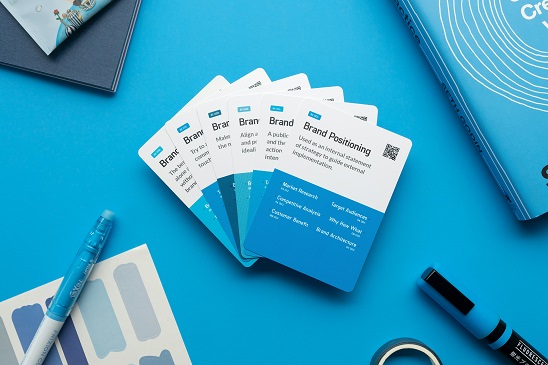
Brand positioning refers to the strategy of positioning your brand in the minds of your target audience. This involves the process of creating an image or identity of the brand that stands apart from competitors in the marketplace. By developing a distinct brand positioning, businesses can create a unique appeal and value proposition that resonates with consumers, thereby fostering loyalty and trust. The significance of effective brand positioning cannot be overstated, particularly in today’s fiercely competitive environment. With an abundance of options available, consumers are more discerning than ever, making it crucial for brands to clearly communicate their values, benefits, and unique selling points. Properly articulated brand positioning allows companies to identify their niche in the market, catering to specific customer needs and preferences, while simultaneously differentiating themselves from competitors.
Moreover, a well-defined brand position plays a vital role in shaping customer perceptions. Brands that successfully implement clear positioning strategies are more likely to foster strong emotional connections with their audience. This involves not only understanding the target market’s desires and pain points but also effectively conveying how the brand addresses these aspects through its messaging and offerings. Strategic positioning ensures that the brand resonates deeply with consumers, leading to increased engagement and conversion rates.
In essence, understanding brand positioning is about recognizing the importance of creating a distinctive presence in the market. By defining how a brand is perceived relative to its competitors, companies can cultivate lasting relationships with their customers, which ultimately drives success and sustainability in business. Through a focused approach, brands can enhance their equity, attract new audiences, and build a loyal customer base.
The Elements of Effective Brand Positioning
Effective brand positioning is pivotal in creating a distinct identity in a crowded marketplace. The first essential element in this process is identifying your target audience. This involves segmenting the market to determine which groups of consumers will most likely resonate with your offerings. It is critical to understand demographic factors, behavioral patterns, and purchasing tendencies of the audience, enabling brands to tailor their messaging accordingly.
Next, understanding your audience’s needs is crucial for effective brand positioning. This means diving deep into the desires, pain points, and aspirations of your target consumers. By recognizing what drives their decisions, brands can effectively communicate solutions that meet these needs. Surveys, focus groups, and market research can aid in gathering insights that inform this understanding.
Another key element is defining your unique value proposition (UVP). This refers to the distinct benefits and values that your product or service offers compared to competitors. A clear UVP helps in positioning the brand in a way that highlights its advantages and reinforces the brand’s relevance to the target audience. The UVP should address how the offerings meet specific customer requirements or solve particular problems.
Lastly, establishing a brand personality that aligns with the audience’s values is integral to the positioning strategy. A well-defined brand personality helps cultivate a relatable image that resonates emotionally with consumers. Whether a brand projects traits of sophistication, warmth, or innovation, it should consistently embody these characteristics across all touchpoints to forge a deeper connection with its community.
Analyzing Your Competition
In the journey of developing an effective brand positioning strategy, analyzing your competition emerges as a crucial step. A comprehensive competitive analysis enables brands to gain valuable insights into the market landscape, helping to identify both opportunities and threats. Moreover, understanding competitors’ strengths and weaknesses provides a framework for shaping your unique positioning, ensuring that your brand resonates in a crowded marketplace.
The initial phase of competitor analysis involves identifying key players within your industry. This can include direct competitors offering similar products or services, as well as indirect competitors that fulfill the same customer needs differently. Once identified, the next step is to evaluate their strengths and weaknesses. Areas to focus on include their pricing strategies, product offerings, customer service reputation, and overall brand messaging.
To adequately gauge these aspects, tools such as SWOT analysis can be particularly effective. By examining competitors’ strengths, weaknesses, opportunities, and threats, brands can uncover critical insights. For example, if a competitor excels in customer engagement but lacks product innovation, this presents a market gap that your brand can potentially fill. Alternatively, recognizing a competitor’s strong brand loyalty may lead you to refine your value proposition to attract their customer base.
In addition to identifying gaps in the market, competitor analysis illuminates trends and shifts within the industry. Keeping abreast of your competitor’s marketing strategies, social media presence, and customer feedback can inform your own approach and allow you to adapt swiftly to changing consumer preferences.
Finally, leveraging insights gained from competitor analysis is instrumental in carving out a unique brand position. By aligning your brand strategy with identified market gaps and consumer demands, you can distinguish your brand effectively, positioning it for success in the ever-evolving marketplace.
Developing Your Unique Selling Proposition (USP)
At the core of effective brand positioning lies a well-defined Unique Selling Proposition (USP). A USP articulates what differentiates your brand from its competitors, serving as a critical factor that influences customer purchasing decisions. In a saturated marketplace, a clearly communicated USP provides not only recognition but also establishes an emotional connection with your target audience. Consequently, developing a compelling USP is paramount to standing out in your industry.
To formulate a powerful USP, begin by conducting a comprehensive analysis of both your brand and the competitive landscape. Identify the key strengths and unique features of your products or services. What benefits can you offer that your competitors cannot? This could range from superior quality, unique functionalities, exceptional customer service, or even a better price point. Engage with your consumers to understand their needs and preferences, as personal insights can reveal valuable information to refine your proposition.
Once you have compiled this information, distill it into a concise and impactful statement. A strong USP should be clear and resonate with your audience. For instance, let’s consider the effective tackling of pain points that your product addresses. Tailoring your messaging to address specific customer challenges can enhance the effectiveness of your proposition considerably. Remember, the USP should not only highlight what sets your brand apart but also align with the values and aspirations of your target audience.
Furthermore, ensure that your USP is integrated into your overall branding strategy. It should be prominently featured in your marketing materials and communicated consistently across various channels. With a strong USP in place, your brand will be well-positioned to gain a competitive edge, attract attention, and foster customer loyalty.
Communicating Your Brand Positioning
Effectively communicating your brand positioning is crucial for distinguishing your brand in the competitive landscape. The process necessitates a strategic approach that aligns your messaging with your overall brand identity to resonate with your target audience. To achieve this, several channels and methods can be effectively utilized.
One fundamental method for communicating brand positioning is through marketing campaigns. These campaigns should clearly articulate the unique features and benefits of your products or services that set you apart from competitors. This can encompass various formats such as print media, television advertisements, and digital ads—all delivering a consistent message that reflects your brand identity.
Advertising plays a pivotal role and should be strategically designed to reinforce the perception of your brand among consumers. Employing storytelling techniques in advertisements can create an emotional connection with the audience, fostering a deeper understanding of your brand positioning. Additionally, the choice of channels—whether online or offline—should be tailored to where your target audience is most engaged.
Social media is an indispensable tool for brand positioning, providing a platform for direct interaction with consumers. Utilizing social channels enables brands to share authentic content that reflects their values and mission. Engaging actively through posts, comments, and stories allows brands to highlight their unique positioning in a relatable manner. Moreover, incorporating user-generated content can authentically validate your positioning, as consumers often trust peer endorsements over traditional marketing messages.
Lastly, content creation is crucial in disseminating your brand message. Producing high-quality content—such as blog posts, videos, and infographics—can successfully articulate your brand’s authority in the industry. Maintaining consistency across all created content ensures that your brand positioning is reinforced and easily recognizable to your audience. By combining these strategies cohesively, brands can effectively communicate their positioning and foster lasting relationships with consumers.
Consistency in Brand Positioning
In the competitive landscape of modern marketing, consistency in brand positioning is paramount for creating a strong and recognizable identity. This consistency must be reflected across all brand touchpoints, from messaging and visual aesthetics to customer interactions and experiences. When a brand presents a unified image, it fosters trust and recognition among consumers.
Brand messaging acts as the cornerstone of your positioning strategy. It is imperative that the tone and language employed in advertisements, social media, and other communication channels align with the brand’s perceived values and purpose. A coherent voice across all platforms reinforces the brand’s narrative and enhances customer engagement. If a brand’s messaging fluctuates between informal and formal tones, or between different themes, it could lead to confusion and diminish its perceived authenticity.
The visual components of a brand, including logo, color scheme, and typography, must also maintain consistency. These elements collectively contribute to brand identity and should be immediately recognizable regardless of where consumers encounter them. Employing a consistent visual style helps build a cohesive brand image that resonates with the target audience. For instance, a luxury brand’s marketing materials should reflect its prestigious character through high-quality imagery and sophisticated design.
Furthermore, the customer experience should mirror the brand’s positioning. Whether through customer service interactions, product quality, or in-store experiences, maintaining a uniform approach ensures that customers receive the same message and value at every touchpoint. An inconsistent experience can alienate customers and adversely affect their perception of the brand.
Ultimately, consistency in brand positioning not only strengthens brand identity but also enhances customer loyalty. By ensuring that messaging, visuals, and experiences remain aligned, brands can effectively communicate their core values and mission, leading to a more substantial connection with consumers.
Evolving Your Brand Positioning
In today’s rapidly changing marketplace, the necessity of regularly reviewing and potentially evolving your brand positioning cannot be overstated. Brand positioning refers to the conceptual space a brand occupies in the minds of consumers, and it serves as the foundation for how a company communicates its value. As market trends shift and consumer behaviors evolve, it is crucial for businesses to adapt their positioning strategies to maintain relevance and competitive advantage.
One effective approach to ensure your brand positioning remains aligned with current market dynamics is to actively gather feedback from both customers and industry experts. Surveys, focus groups, and social media monitoring can yield valuable insights into how consumers perceive your brand. By understanding their preferences and pain points, businesses can make informed decisions about adjusting their messaging, offerings, or overall positioning strategy. Additionally, analyzing competitors’ actions can reveal gaps and opportunities that your brand might exploit, thus refining your competitive edge.
Another strategy involves keeping an eye on emerging trends and technologies that may influence consumer behavior. For instance, the advent of sustainable practices has led many brands to reposition themselves to resonate with environmentally conscious consumers. By staying attuned to such changes and being proactive rather than reactive, brands can navigate the complexities of market evolution with greater agility.
Furthermore, it can be advantageous to create a systematic review process for your brand positioning strategy. This process could involve setting predetermined intervals for evaluation, ensuring that your brand remains focused and responsive. The goal is to cultivate a culture of adaptability within your organization, facilitating a seamless evolution of your brand positioning as circumstances dictate.
Case Studies of Successful Brand Positioning
Effective brand positioning is essential for companies aiming to differentiate themselves in crowded markets. Numerous brands have exemplified successful positioning, demonstrating various strategies that have propelled them ahead of their competition.
One notable example is Apple Inc., which positioned its products as premium offerings in the technology sector. By focusing on innovation, design, and user experience, Apple has cultivated a loyal customer base willing to embrace its high-end pricing. The brand’s messaging often revolves around creativity, simplicity, and an elite lifestyle, fostering an image that resonates with quality and excellence. This focused brand strategy has resulted in significant market share and high profitability, setting a gold standard in brand positioning.
Another prominent case is Nike, which has effectively utilized emotional branding in its positioning strategy. Nike’s “Just Do It” campaign serves as a powerful reminder of perseverance and motivation, appealing to consumers’ aspirations. This positioning not only emphasizes athletic performance but also promotes a lifestyle of achievement and determination. By aligning its products with social causes and high-profile athlete endorsements, Nike has forged strong emotional connections with its audience, fostering brand loyalty and awareness.
Moreover, consider Dove’s successful use of real beauty in its brand positioning. The brand shifted the narrative around beauty standards through its campaigns that celebrate diversity and authenticity. This approach positioned Dove as a champion of self-esteem, resonating with a broad audience and establishing a unique place in the personal care industry. By focusing on social impact alongside product quality, Dove distinguished itself from competitors who often adhere to conventional standards of beauty.
These examples illustrate how strategic brand positioning can yield significant results. By analyzing these case studies, businesses can draw valuable insights into crafting their own brand strategies compellingly and authentically.
Conclusion: The Path to Successful Brand Positioning
In today’s competitive marketplace, effective brand positioning is crucial for businesses aspiring to differentiate themselves from their rivals. A well-defined brand positioning strategy not only enhances brand perception but also fosters customer loyalty and drives growth. Throughout this discussion, we have examined several pivotal strategies that can assist organizations in establishing a robust brand identity.
To summarize, the journey towards successful brand positioning begins with understanding the target audience. Conducting thorough market research enables businesses to identify customer needs, preferences, and pain points, which can then be addressed through tailored messaging and offerings. Moreover, leveraging unique selling propositions (USPs) allows brands to communicate their distinct advantages effectively. It is essential to articulate what separates the brand from its competitors, fostering a compelling narrative that resonates with consumers.
Additionally, maintaining consistency across all brand touchpoints is vital in reinforcing brand recognition and trust. This includes ensuring uniform messaging in advertising, social media engagement, and customer service interactions. Equally, adapting to market changes and consumer trends remains important; a flexible brand positioning strategy enables businesses to stay relevant and responsive.
Ultimately, continuous evaluation and refinement of brand positioning strategies are necessary as consumer preferences evolve. Reflecting on these aspects encourages brands to reassess their positioning periodically, ensuring alignment with current market dynamics.
As businesses contemplate their next steps, prioritizing and investing in a solid brand positioning strategy can lead to a competitive edge, impactful market presence, and enduring customer relationships. Ensuring that your brand not only stands out but also thrives requires commitment to ongoing development and strategic foresight in an ever-changing landscape.