

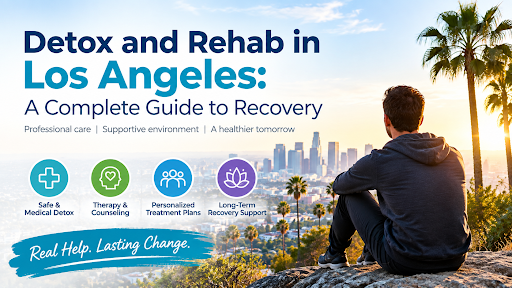
Choosing the right path to recovery can feel overwhelming, especially in a city with as many options as Los Angeles. For individuals and families searching for trusted care, Detox and Rehab in Los Angeles programs offer medically supervised treatment paired with compassionate, personalized support. From the first day of withdrawal management to long-term aftercare, these programs are designed to guide patients safely through every stage.
Los Angeles is home to some of the most respected addiction treatment centers in the country, offering everything from standard clinical detox to upscale, amenity-rich facilities. Understanding what these programs offer, and how to choose the right one, can make all the difference in a successful recovery journey. This guide breaks down the essentials, from detox basics to finding the right fit.
Understanding Detox and Rehab in Los Angeles
When withdrawal management is clinically indicated, detox may be an early step in addiction treatment. Rehab or other ongoing treatment addresses the psychological and behavioral aspects of substance use through therapy and structured support. Anyone exploring Detox and Rehab in Los Angeles should understand that these two stages work together, not separately, to build a full recovery plan. Facilities across the city are equipped to handle a wide range of substances and severity levels.
Los Angeles treatment centers stand out for their access to specialized medical staff, diverse therapy options, and a strong recovery community. This makes the city a popular destination for both local residents and people traveling for treatment. Below are some key features commonly found in Los Angeles detox and rehab programs.
- 24/7 medically supervised withdrawal management
- Individualized treatment plans based on assessment
- Access to licensed therapists and addiction specialists
- Dual diagnosis care for co-occurring mental health conditions
- Evidence-based therapies like CBT and DBT
- Strong aftercare and alumni support networks
Why Choose Treatment in Los Angeles
Los Angeles offers a unique combination of world-class medical resources and a climate that supports outdoor, holistic healing. Many treatment centers incorporate wellness practices like yoga, nutrition counseling, and fitness programs alongside clinical care. This blend of traditional and holistic approaches appeals to patients looking for a well-rounded recovery experience. The city’s size also means a wide range of price points and treatment styles to choose from.
Beyond the amenities, Los Angeles has a deeply established recovery culture, with active support groups and sober communities throughout the city. This can be especially valuable for patients transitioning out of residential care and into everyday life. Access to top specialists in addiction medicine and mental health further strengthens the quality of care available. For many, this combination makes LA a strong choice for starting recovery.
Types of Detox and Rehab Programs Available
Not every patient needs the same level of care, which is why Los Angeles offers a variety of program types. Inpatient rehab provides full-time residential care, ideal for those needing structure and round-the-clock support. Outpatient programs allow patients to live at home while attending scheduled therapy and treatment sessions. Medically assisted detox uses approved medications to safely manage withdrawal symptoms.
Choosing the right program depends on factors like substance type, treatment history, and daily responsibilities. A professional assessment typically helps determine the most appropriate level of care. Many facilities also offer step-down programs, moving patients gradually from higher to lower levels of support. Here are common program types available across the city.
- Inpatient residential detox and rehab
- Outpatient and intensive outpatient programs (IOP)
- Medically assisted detox with medication support
- Partial hospitalization programs (PHP)
- Sober living and transitional housing
- Specialized programs for co-occurring disorders
What Sets Luxury Rehab in Los Angeles Apart
For patients seeking a more private, comfortable recovery experience, luxury rehab los angeles facilities offer an elevated standard of care. These centers often feature private rooms, gourmet meals, spa-like amenities, and low patient-to-staff ratios. The emphasis on comfort doesn’t come at the expense of clinical quality; most luxury programs maintain the same evidence-based treatment standards as traditional facilities. This combination of comfort and clinical rigor is a major draw for many patients.
Beyond physical comfort, luxury rehab centers frequently offer expanded holistic services, including acupuncture, massage therapy, and personalized fitness plans. Privacy is also a significant factor, with many facilities designed to accommodate high-profile clients discreetly. While the cost is typically higher, many patients find the added support and comfort valuable during such a vulnerable time. It’s worth researching which amenities matter most for your recovery needs.
What to Expect During Treatment
Treatment typically begins with a thorough medical and psychological assessment to guide the care plan. Detox comes first, focused on physical stabilization and symptom management under medical supervision. Once stabilized, patients move into structured therapy, including individual counseling, group sessions, and family involvement when appropriate. Each stage is designed to build on the last, gradually preparing patients for life after treatment.
Programs vary in length, but most last anywhere from a few weeks to several months depending on individual needs. Aftercare planning begins early, ensuring patients have a clear path forward once formal treatment ends. Here’s what most patients can expect throughout the process.
- Comprehensive intake assessment and medical evaluation
- Medically supervised detox and symptom management
- Individual and group therapy sessions
- Family counseling and education, where appropriate
- Relapse prevention and coping skills training
- Personalized aftercare and discharge planning
Choosing the Right Program for You
Selecting a treatment center is a deeply personal decision that should factor in medical needs, budget, and personal comfort. It’s important to verify a facility’s accreditation, staff credentials, and treatment approach before committing. Reading reviews and, where possible, speaking directly with admissions staff can provide valuable insight. Insurance coverage and payment options are also key factors worth clarifying early on.
Ultimately, the right program is one that matches both your clinical needs and your personal recovery goals. Taking time to research and ask questions leads to better outcomes and a more comfortable treatment experience. Don’t hesitate to reach out to multiple facilities before making a final decision.
Frequently Asked Questions
1. How long does detox and rehab typically take?
Detox usually lasts several days to two weeks, while full rehab programs can range from a few weeks to several months depending on individual needs.
What’s the difference between standard rehab and luxury rehab?
Standard rehab focuses on core clinical treatment, while luxury rehab adds enhanced comfort, privacy, and amenities alongside the same evidence-based care.
Is detox always necessary before rehab?
Detox is recommended when physical dependence or withdrawal risk makes medical stabilization necessary; not everyone entering rehab requires detox first.
Does insurance cover treatment in Los Angeles?
Many Los Angeles treatment centers accept insurance; it’s best to confirm specific coverage details directly with the facility beforehand.
What happens after rehab ends?
Most programs include aftercare planning, connecting patients with outpatient therapy, support groups, or sober living to maintain long-term recovery.
Conclusion
Recovery is a deeply personal journey, and choosing the right detox and rehab program is a critical first step. Los Angeles offers a wide range of options, from standard clinical care to upscale, amenity-rich facilities suited to different needs.
Whether you’re drawn to a traditional program or a more private, luxury experience, the most important step is reaching out for help. With the right support and a clear treatment plan, lasting recovery is achievable.