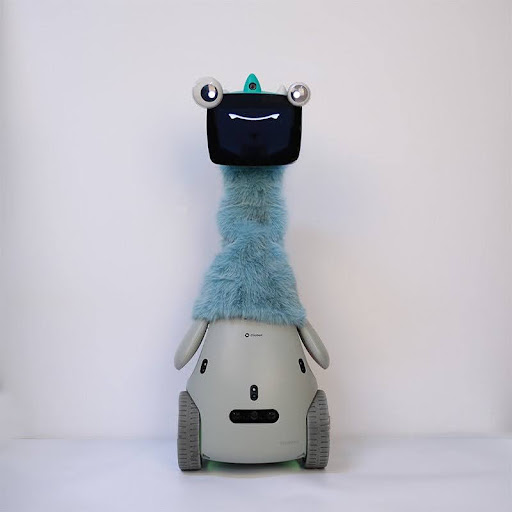
Buying a companion robot often starts with good intentions and ends with disappointment, not because the technology fails, but because the purchase was based on the wrong assumptions. People shopping for an aging parent, a lonely college student living away from home for the first time, or a shift worker with an irregular schedule tend to focus on flashy features instead of everyday fit. That mismatch is why so many of these devices end up unused within a month. This article covers the most frequent errors buyers make, what actually determines whether a companion robot gets used long term, and how to avoid wasting money on a device that looks impressive in a demo but fails in daily life.
Mistake One: Buying for the Feature List Instead of the Use Case
It is tempting to choose the model with the longest spec sheet, but a long feature list rarely predicts satisfaction. Someone buying for an elderly parent needs reliability in basic conversation and reminders far more than advanced gimmicks the parent will never use. A companion robot chosen for its core conversational quality tends to outperform one chosen for a checklist of extras that go untouched after the first week.
This mistake shows up often with gift purchases. A family member picks the most expensive or most talked-about model without asking whether it fits the recipient’s actual routine, then feels confused when the device sits unused on a shelf. The better approach is asking what specific gap needs filling, whether that is safety monitoring, casual conversation, or a wake-up routine, and shopping from that starting point.
Ignoring How the Recipient Actually Communicates
Some users prefer short, functional exchanges, while others want a device that can hold a longer, meandering conversation. Buyers rarely consider this before purchasing, then get frustrated when the personality style does not match. It is worth researching how a specific model actually converses, not just what it claims to be capable of.
Mistake Two: Underestimating Setup and Learning Curve
Shift workers and students moving into a new place often buy a companion robot expecting instant plug-and-play companionship, only to discover that some models require lengthy account setup, app pairing, or a period of learning the household routine before responses feel natural. This initial friction turns off busy users who do not have patience for troubleshooting during an already hectic week.
The devices that succeed long term tend to have a shorter runway between unboxing and genuine usefulness. A student adjusting to a new city with an unpredictable class schedule benefits far more from a robot that adapts quickly than one that requires days of configuration before it starts feeling like a presence rather than a gadget.
Overlooking Noise and Space Constraints
Small apartments and shared dorm rooms come with practical limits that buyers often forget to consider. A device that talks loudly or takes up significant counter space can become a source of friction with roommates rather than a source of comfort, undermining the entire point of the purchase.
Mistake Three: Ignoring Long-Term Fit Over Time
A companion robot bought for a specific moment, like a difficult first month after moving, sometimes stops being useful once routines settle. Buyers rarely think about whether the device will still add value six months later, which leads to abandoned devices and a sense that the whole category was overhyped.
Ollobot’s approach has focused on adaptability, letting the device grow into ongoing routines rather than only serving a single transitional moment. That kind of flexibility matters more over time than any single standout feature, since needs shift and a good companion robot should shift with them.
Buying With Intention Instead of Impulse
The people who end up happy with a companion robot are the ones who bought based on a clear, specific need rather than a feature comparison chart. Whether the goal is supporting an aging parent, easing a lonely transition for a student, or adding structure to an irregular shift schedule, the fit matters more than the specs. Slow down before buying, be honest about the actual daily use case, and choose accordingly rather than chasing whatever model has the most buzz.