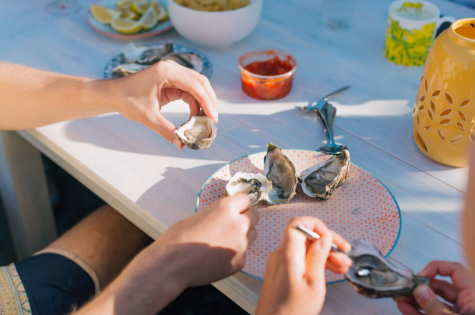
Shellfish provides a concentrated mix of nutrients involved in memory, concentration and the normal workings of the nervous system. Oysters, mussels and clams are particularly notable because modest portions can supply vitamin B12, zinc, iron, protein and omega-3 fatty acids.
No single food guarantees sharper thinking or prevents cognitive decline. Brain health reflects a wider pattern that includes sleep, movement, social connection and a varied diet. Still, understanding what shellfish contributes can help you build meals that support normal cognitive function without relying heavily on supplements.
Vital Nutrients Supporting Daily Brain Health
The brain needs a steady supply of nutrients to produce energy, transmit signals and maintain its cells. Shellfish delivers several of these nutrients together, which makes it a useful addition to a balanced diet containing vegetables, whole grains, fruit and other protein sources.
Zinc supports normal cognitive function and helps many enzymes perform their jobs. Oysters are especially rich in it. The body stores little zinc, so regular dietary intake matters more than occasional large servings. Iron is similarly relevant because it helps red blood cells transport oxygen. Low iron levels can contribute to tiredness and difficulty concentrating, though anyone concerned about a deficiency should seek medical advice before taking a supplement.
Shellfish can also provide omega-3 fats, including DHA and EPA. DHA forms part of brain cell membranes, whilst EPA is involved in processes that regulate inflammation. Several nutrients that support brain function include omega-3 fats and B vitamins, though food should be viewed as part of an overall eating pattern.
You can also support focus with balanced nutrition by eating regular meals that include protein, healthy fats and other nutrient-rich foods rather than relying on short-lived energy boosts. Consistent hydration and meal timing can matter just as much as any single ingredient.
The Critical Function of Vitamin B12
Vitamin B12 deserves particular attention because it supports red blood cell formation, DNA production and the maintenance of nerve cells. Oysters, clams and mussels are among its richest natural food sources, so even a modest serving may provide a substantial amount.
The connection with cognition becomes clearer when B12 levels fall too low. Deficiency can cause fatigue, numbness, poor balance, memory difficulties and confusion. These symptoms can develop gradually and may resemble other health problems. The body can store B12 for several years, which means inadequate intake or absorption may not become obvious straight away.
Older adults face a higher risk because stomach acid production can decrease with age. People taking certain medicines, including long-term acid-suppressing treatments, may also absorb less B12. Understanding vitamin B12 sources and deficiency can help explain why some people may need more than dietary changes alone.
B vitamins also play broader roles in brain and heart health, including their relationship with homocysteine, an amino acid found in the blood.
Eating B12-rich shellfish can support dietary intake, but it cannot correct every deficiency. Absorption problems may require fortified foods, tablets or injections under clinical guidance. If you experience persistent pins and needles, unusual tiredness or memory changes, ask a qualified healthcare professional about testing instead of trying to diagnose the cause through diet alone.
Bringing Nutrient-Dense Shellfish Home
Freshness and safe handling matter when you bring live bivalves into the kitchen. If you’re considering Maine Lobster Now’s oyster selection, check the delivery timing, storage instructions and quantity before ordering so the oysters can be chilled promptly and used within the recommended period.
Choose shells that are closed or that close when gently tapped. A cracked shell or one that remains open may indicate that the animal is no longer alive and should be discarded.
Once your order arrives, inspect it promptly. Keep live oysters, mussels and clams cold in the refrigerator in a breathable container, covered with a clean damp cloth. Don’t store them in fresh water or an airtight box. Fresh water can kill saltwater shellfish, whilst a sealed container restricts the air live bivalves need.
Scrub shells under cold running water before cooking. Mussels may also have fibrous threads, often called a beard, that can be pulled away shortly before they go into the pan. Use a clean brush and keep shellfish separate from foods that are ready to eat.
Cooking is the safer option for pregnant people, older adults, young children and anyone with a weakened immune system or certain medical conditions. Steam or bake bivalves until their shells open, then discard any that remain closed after cooking. Keep preparation surfaces and utensils clean to reduce cross-contamination.
Portion size also deserves some thought. Shellfish is nutrient-dense, so you don’t need an oversized plate to benefit from it. Serve it with beans, brown rice or wholemeal bread plus colourful vegetables. That combination supplies fibre and slow-release carbohydrates alongside the protein and micronutrients in the shellfish.
Integrating Whole Bivalves into Weekly Meals
One shellfish meal a week can fit naturally into many varied diets. It may be easier to maintain than an ambitious plan that requires unfamiliar recipes on several evenings. Start with a simple dish and choose a preparation method that preserves the shellfish’s flavour without adding large amounts of salt or saturated fat.
Steamed mussels work well with tomatoes, garlic and herbs, served over wholegrain pasta. Clams can be folded into a vegetable and barley soup near the end of cooking. Baked oysters pair with spinach, breadcrumbs and lemon. These meals combine several food groups and make the shellfish part of an ordinary dinner.
Try rotating the type you buy. Oysters tend to stand out for zinc, clams are particularly rich in vitamin B12 and iron and mussels contribute B12, protein and omega-3 fats. Variety also reduces the chance that your plan becomes repetitive. Frozen cooked mussel meat or tinned clams can be practical alternatives when fresh shellfish doesn’t suit your schedule, though checking the label for added salt is sensible.
The relationship between nutrition and cognitive function involves overall dietary patterns as well as individual micronutrients and age-related changes, which supports a food-first approach built around variety.
People with a shellfish allergy must avoid these foods completely and check labels for cross-contact warnings. Anyone managing kidney disease, gout or a medically prescribed diet should ask their clinician or dietitian how shellfish fits their needs.
For everyone else, a carefully handled bowl of mussels or tray of baked oysters offers a practical way to bring B12, zinc and other valuable nutrients to the table. Pair the next serving with greens and a whole grain, then let the quality of the ingredients keep the recipe simple.