There’s a particular kind of frustration in climbing into bed, pulling up three layers, and still waking up shivering at 2 a.m. It’s not always about how many blankets you own. It’s about whether the ones you have are actually doing their job. Weight, weave, and material all affect how well a blanket traps warmth or lets it escape, and most people never think about any of that until they’re lying awake counting the ways their bedroom feels like a walk-in freezer.
The good news is that fixing a cold bed rarely requires an overhaul of your entire bedding setup. Usually it comes down to swapping one or two pieces for something better suited to how you actually sleep, whether that means a heavier knit for deep winter or a breathable waffle weave for someone who runs hot but still wants coverage.
The Layering Mistake Most People Make
A lot of sleepers assume that adding more layers automatically means more warmth, so they stack a thin cotton throw over a slightly thicker one and call it done. In practice, warmth comes from trapped air, not sheer quantity of fabric. Two mismatched throws sitting flat against each other trap almost no air between them, which means you’re carrying extra weight without getting much heat retention in return.
A better approach starts with one well-constructed base layer, something like a bed blanket designed with loft in mind, and then adding a lighter accent layer on top only if your bedroom runs particularly cold. This gives you actual insulation instead of just bulk. It also makes the bed easier to manage, since you’re not wrestling with four separate pieces every time you make it in the morning.
Matching Material to Your Bedroom’s Temperature
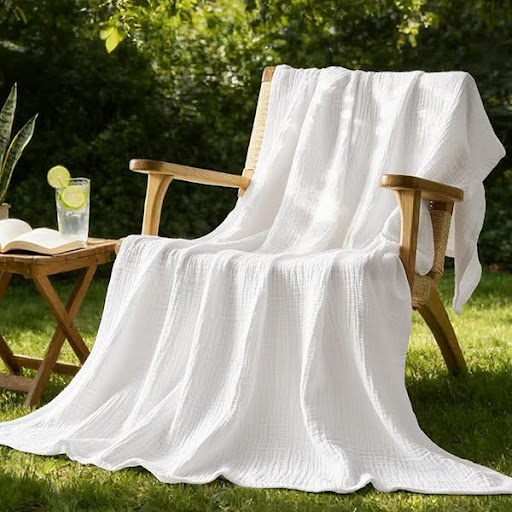
Not every bedroom needs the same solution. A north-facing room with poor insulation calls for something dense, like a chunky knit throw that holds heat close to the body. A warmer climate or a room with better insulation might only need a mid-weight cotton muslin blanket, which breathes well and prevents that overheated, sweaty wake-up that ruins a good night’s sleep just as effectively as being cold does.
If you tend to run hot during the first half of the night and cold by early morning, a cooling waffle-weave option can actually solve both problems. The open weave structure regulates airflow early on, then still provides enough coverage to keep you comfortable as room temperature drops before dawn.
Texture and Weight Matter More Than You’d Think
Beyond material, the actual construction of a blanket changes how it performs. A flat weave lies close to the body and traps less air, which is fine for milder nights but underwhelming in genuinely cold weather. A knit or waffle texture, on the other hand, creates small pockets that hold warm air against your skin, giving you noticeably better insulation without needing extra weight.
Weight itself is a separate consideration from warmth. Heavier blankets, especially those in the 300 GSM range, offer a grounding, weighted feeling that many people find calming, almost like a lighter version of a weighted blanket. This isn’t purely psychological either. That added density does slow heat loss compared to something thin and lightweight, so if you’ve struggled with restlessness alongside feeling cold, a heavier option might solve two problems at once.
Style Shouldn’t Come at the Cost of Function
A farmhouse-style knit throw draped over the foot of the bed looks great in photos, but it only earns its place there if it also performs. Before choosing a blanket purely for aesthetics, check that the weave is tight enough to hold heat and the fiber content suits your climate. A brand like Bedelite tends to build its knit and muslin lines with both looks and thermal performance in mind, which is worth checking for if you’re shopping around rather than assuming style and warmth are mutually exclusive.
Don’t Forget the Blanket That Travels With You
Cold nights aren’t limited to your own bedroom. Guest rooms, road trips, and even office naps all benefit from having a dedicated travel blanket on hand, something compact enough to stuff into a bag but still substantial enough to keep you warm on a plane or in an unfamiliar bed. Packing an actual blanket instead of relying on whatever a hotel or airline provides means you know exactly what you’re getting in terms of warmth and cleanliness.
Keeping one packed and ready removes the guesswork entirely, so a cold night away from home doesn’t turn into another round of restless, shivering sleep.
Getting Warmth Right Without the Guesswork
A cold bed usually isn’t a mystery once you look past the number of layers and start paying attention to material, weave, and weight. The right combination traps warm air efficiently, breathes when it needs to, and holds up over repeated washes without losing its loft. Whether you need a heavyweight knit for a drafty room, a breathable muslin option for warmer climates, or a compact travel piece for nights away from home, matching the blanket to the actual problem makes far more difference than simply adding another layer to the pile. Once that’s sorted, cold 2 a.m. wake-ups become a lot less familiar.