Climbing efficiency and descending confidence usually feel like they pull in opposite directions. Riders assume a fast-rolling tire means giving up grip on the way down, and a grippy tire means dragging extra weight and rolling resistance on the way back up. In reality, both goals are achievable at once once you understand how tread design splits these jobs between the center and the edges of the tire.
This guide focuses on getting more out of both halves of the ride, explaining exactly which tire features affect climbing speed and which ones affect descending control, so you are not forced into an unnecessary compromise.
Why Center Tread Controls Your Climbing Speed
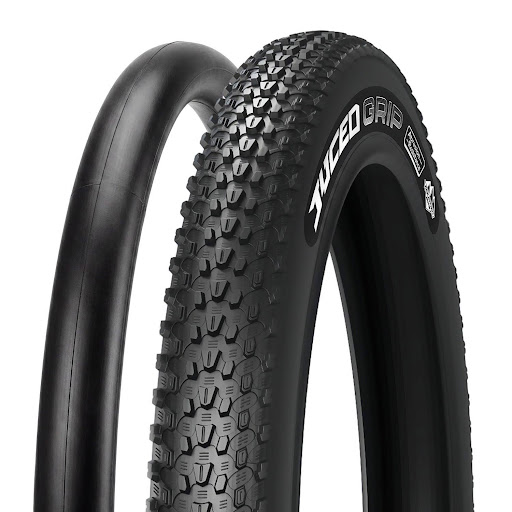
The knobs running down the center of the tire are the ones in constant contact with the ground while climbing seated or standing on moderate grades. Tightly spaced, low-profile center knobs roll faster because there is less deformation and less rubber dragging against the trail surface with each rotation. This is the section of the tire that matters most for all-day pedaling efficiency.
Riders chasing faster lap times or longer all-day rides should pay closer attention to center tread height and spacing than to how aggressive the tire looks overall. A tire can have wild, intimidating side knobs and still climb efficiently, as long as the center strip is designed for rolling speed rather than maximum bite.
Rolling Resistance Adds Up Over Distance
A few extra watts lost to rolling resistance feel negligible on a short ride but compound significantly over a multi-hour session. Riders training for endurance events in particular benefit from prioritizing a fast-rolling center tread, since the cumulative energy savings can mean the difference between finishing strong and fading in the final hour.
Why Side Knobs Determine Descending Confidence
Once you lean the bike into a corner, the center tread lifts away from the ground and the side knobs take over completely. Taller, more widely spaced side knobs bite into loose dirt and dig past loose surface debris to find firmer ground underneath, which is exactly what stops a front wheel from washing out mid-corner.
This is why a tire built for climbing speed alone often feels scary on descents, and why shoppers browsing a mountain bike tire selection should look specifically at side knob height and spacing rather than judging the whole tire by its center pattern.
Braking Traction Lives On The Shoulder
The transition zone between center and side knobs, often called the shoulder, handles most of the load during hard braking into corners. A well-designed shoulder knob pattern keeps the tire biting even as weight shifts forward under braking, preventing the rear wheel from sliding out unexpectedly.
Getting Both Without A Full Compromise
Modern tread designs increasingly separate these two jobs within a single tire, using a fast, low-profile center strip flanked by taller, more aggressive side knobs. This layout lets the tire roll efficiently when upright and switch to full grip mode the instant it leans over, which is the closest thing to having both climbing speed and descending confidence in one tire.
Juceo’s trail-oriented tread patterns follow this same dual-zone logic, giving riders a noticeable shift in feel between upright pedaling and full lean without needing to swap tires between the climb and the descent.
Setting Pressure To Match Your Priority
Even with the right tread design, pressure choice shifts the balance between the two goals. Slightly higher pressure firms up the center tread for faster rolling, while slightly lower pressure lets the side knobs deform and grip more aggressively in corners. Riders who split their priority evenly between climbing and descending often land in the middle of their tire’s recommended pressure range rather than at either extreme.
Balancing Speed And Grip In One Tire
Climbing speed and descending confidence are not actually competing goals once you recognize that different parts of the tire handle each job. Center tread governs rolling efficiency, side knobs and shoulder patterns govern cornering and braking grip, and pressure lets you fine-tune the balance between the two.
Understanding this split turns tire shopping from a guessing game into a straightforward matter of checking whether a tire’s design actually separates these zones the way your riding demands.