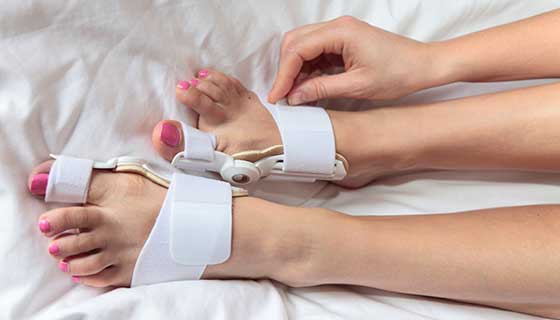
Bunions, also known as hallux valgus, are a common foot condition characterised by a bony prominence at the base of the big toe. Over time, the condition may progress and lead to discomfort, difficulty wearing shoes, and changes in walking patterns.
While many cases can be managed without surgery, some patients may consider surgical options when symptoms persist or affect daily activities.
When Is Bunion Surgery Considered?
Bunion surgery is typically considered when:
- Pain persists despite non-surgical measures (e.g. footwear changes, orthotics)
- The bunion interferes with walking or standing
- There is progressive deformity of the toe
- Conservative treatments no longer provide relief
The decision for surgery depends on symptom severity, functional limitations, and patient-specific factors rather than cosmetic concerns alone.
Goals of Bunion Surgery
The objectives of bunion surgery generally include:
- Realigning the big toe joint
- Reducing the bony prominence
- Relieving pain and improving function
- Addressing associated deformities
Different surgical techniques may be selected based on the severity of the condition and joint involvement.
Types of Bunion Surgery
There are several surgical approaches used to treat bunions. The choice of procedure depends on factors such as the degree of deformity and joint stability.
Osteotomy (Bone Realignment Procedures)
Osteotomy involves cutting and repositioning the bones of the big toe to correct alignment. The bone is then stabilised using screws or plates.
This is one of the commonly performed procedures for mild to moderate bunions.
Exostectomy (Bunion Removal)
Exostectomy focuses on removing the bony bump without correcting the underlying alignment.
Arthrodesis (Joint Fusion)
Arthrodesis involves fusing the joint of the big toe to stabilise it and correct deformity.
This may be considered in cases of severe bunions or when arthritis is present in the joint.
Minimally Invasive Bunion Surgery
Minimally invasive techniques use smaller incisions and specialised instruments to perform bone corrections.
Lapidus Procedure
The Lapidus procedure stabilises the joint at the base of the first metatarsal to correct alignment and reduce recurrence risk.
This may be considered in patients with joint instability or more severe deformities.
What to Expect Before Surgery
Before surgery, patients typically undergo:
- Clinical examination of the foot
- Imaging studies such as X-rays
- Assessment of walking pattern and joint function
Patients may also be advised on preparation steps, including medication adjustments and post-surgical planning.
Recovery After Bunion Surgery
Recovery timelines can vary depending on the procedure performed.
Common aspects of recovery include:
- Use of a surgical shoe or boot
- Limited weight-bearing in the initial period
- Gradual return to normal footwear
- Physiotherapy or exercises to restore movement
Risks and Considerations
As with any surgical procedure, bunion surgery carries potential risks, including:
- Infection
- Swelling or stiffness
- Recurrence of the bunion
- Delayed bone healing
Patients are typically advised to discuss potential risks and expected outcomes with their orthopaedic doctor prior to surgery.
Are There Alternatives to Surgery?
Non-surgical management options may include:
- Wearing wider or supportive footwear
- Orthotic devices
- Activity modification
- Pain management strategies
Surgery is generally considered when these measures do not adequately relieve symptoms.
Bunion surger involves a range of procedures designed to correct alignment, reduce pain, and improve function. The choice of technique depends on the severity of the condition and individual patient factors.
Patients experiencing persistent bunion-related symptoms may consider consulting a foot and ankle specialist to discuss appropriate management options.