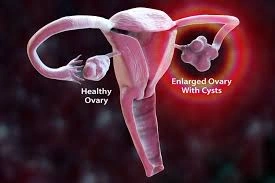
Polycystic Ovary Syndrome (PCOS) is one of the most common hormonal disorders affecting women of reproductive age, yet it remains widely misunderstood. From irregular periods to fertility challenges, PCOS can impact many aspects of a woman’s health. Understanding what it is, why it happens, and how it can be managed is key to taking control of your well-being.
What Is Polycystic Ovary Syndrome?
PCOS is a hormonal imbalance that affects how the ovaries function. Women with PCOS may have elevated levels of androgens (often referred to as “male hormones”), which can interfere with ovulation. Despite its name, not all women with PCOS develop cysts on their ovaries, making the condition more complex than it sounds.
This disorder is typically diagnosed based on a combination of symptoms, medical history, and sometimes imaging or lab tests. Early awareness can help prevent complications and improve quality of life.
Common Signs and Symptoms
PCOS presents differently in every woman, but some of the most common signs include:
- Irregular or missed menstrual periods
- Excess facial or body hair (hirsutism)
- Acne or oily skin
- Weight gain or difficulty losing weight
- Thinning hair on the scalp
- Darkened skin patches, especially around the neck or underarms
Because these symptoms can vary in severity, many women go undiagnosed for years. Paying attention to changes in your body and seeking medical advice early can make a significant difference.
What Causes PCOS?
The exact cause of PCOS is still not fully understood, but several factors are believed to play a role:
Hormonal Imbalance: Elevated androgen levels disrupt ovulation and can lead to many of the visible symptoms.
Insulin Resistance: Many women with PCOS have difficulty using insulin effectively, which can lead to higher blood sugar levels and increased androgen production.
Genetics: PCOS often runs in families, suggesting a hereditary component.
Rather than a single cause, PCOS is usually the result of a combination of these factors interacting over time.
How PCOS Affects Fertility
One of the most well-known concerns related to PCOS is fertility. Irregular ovulation can make it more difficult to conceive. However, having PCOS does not mean pregnancy is impossible. Many women with PCOS go on to have healthy pregnancies with the right support and treatment.
Early diagnosis and proper management can significantly improve fertility outcomes, whether through lifestyle changes, medications, or assisted reproductive techniques.
Managing PCOS: What Works?
While there is no cure for PCOS, it can be effectively managed through a combination of approaches tailored to individual needs.
1. Lifestyle Changes
Healthy habits are often the first line of defense. A balanced diet, regular exercise, and maintaining a healthy weight can help regulate hormones and improve insulin sensitivity.
2. Medications
Doctors may prescribe medications to regulate menstrual cycles, reduce androgen levels, or manage insulin resistance. Birth control pills and medications like metformin are commonly used.
3. Holistic and Integrative Care
Many women explore integrative approaches that address the body as a whole. For example, some seek care through providers like women’s integrative medicine in Minnesota, which may combine nutrition, stress management, and alternative therapies with conventional treatment.
4. Mental Health Support
PCOS doesn’t just affect physical health—it can also take a toll emotionally. Anxiety, depression, and body image concerns are common. Seeking support through counseling or support groups can be incredibly beneficial.
Why Early Awareness Matters
Untreated PCOS can increase the risk of long-term health issues, including type 2 diabetes, heart disease, and endometrial problems. The sooner it is identified, the sooner steps can be taken to reduce these risks.
Education plays a powerful role here. When women understand their bodies and recognize symptoms early, they are better equipped to advocate for their health and seek appropriate care.
Final Thoughts
PCOS is a complex condition, but it is also manageable. With the right combination of medical guidance, lifestyle adjustments, and emotional support, women with PCOS can lead healthy, fulfilling lives.
If you suspect you may have PCOS, don’t ignore the signs. Consulting a healthcare professional is the first step toward clarity and control. Knowledge isn’t just power—it’s the foundation for better health and a better future.