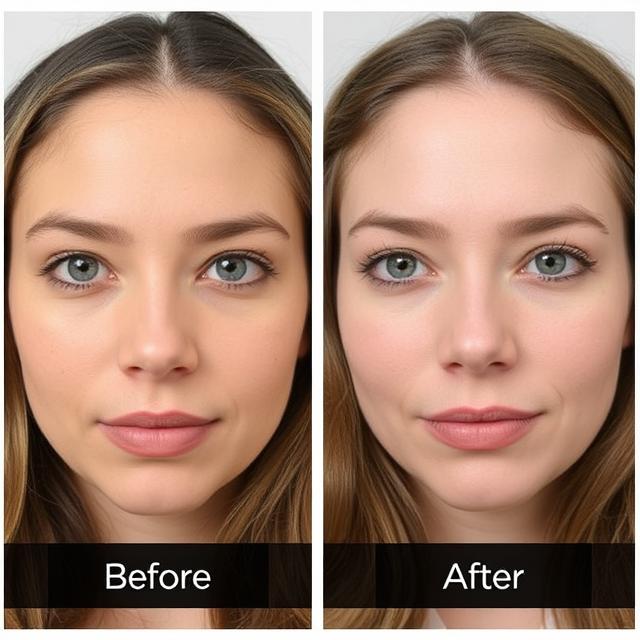
Dark spots rarely disappear overnight. Whether discoloration develops after acne, inflammation, or sun exposure, pigment can remain visible long after the original trigger has resolved. Azelaic acid is particularly interesting because it can address both active blemishes and some of the uneven pigmentation they leave behind.
For people managing post-acne marks, incorporating azelaic acid into a consistent routine may help gradually create a more even-looking complexion.
Timeline for Visible Fading
Azelaic acid helps address hyperpigmentation partly by influencing tyrosinase, an enzyme involved in melanin production. This makes it relevant for concerns such as post-inflammatory hyperpigmentation and uneven-looking skin tone.
However, pigment already present in the skin needs time to fade as the skin naturally renews itself. Early improvements may become noticeable after several weeks of consistent use, but more stubborn discoloration can require several months.
The timeline depends on numerous factors, including how deep the pigmentation is, the original cause, skin tone, sun exposure, and consistency of treatment.
Acne control is equally important. Continually developing new blemishes can create new dark marks even while older ones are fading. That’s why some routines address multiple acne pathways. People researching azelaic acid and benzoyl peroxide should consider how each ingredient targets acne and how to combine treatments without creating unnecessary irritation.
Daily sunscreen is also essential. UV exposure can darken existing pigmentation and make progress harder to see. Broad-spectrum SPF should therefore be considered part of a hyperpigmentation routine rather than an optional extra.
Best Paired Ingredients: Vitamin C and Niacinamide
Vitamin C is commonly paired with pigment-focused routines because of its antioxidant properties and role in addressing uneven-looking skin tone. Used alongside sunscreen, it can provide additional protection against environmental oxidative stress.
Niacinamide is another useful companion. This form of vitamin B3 supports the skin barrier and can help improve the appearance of uneven pigmentation. Its generally gentle profile makes it particularly attractive when a routine already contains active treatment ingredients.
That doesn’t mean every ingredient needs to be applied simultaneously. Vitamin C might be used in the morning followed by sunscreen, while azelaic acid could be applied at another point in the routine. Niacinamide can often be incorporated through a serum or moisturizer.
A measured approach is particularly important for sensitive skin. Adding too many products at once can lead to irritation, and inflammation itself may worsen discoloration in people prone to post-inflammatory hyperpigmentation.
Skincare also illustrates why treatments should be matched to individual concerns. Just as pigmentation requires specific topical ingredients, someone researching hair thinning would look toward completely different options, such as nutrafol alternatives, rather than expecting skincare actives to address hair growth.
Final Thoughts
Azelaic acid can be a useful ingredient for hyperpigmentation, especially when dark spots develop after acne and inflammation. Visible fading is gradual, so consistency over several weeks or months is more realistic than expecting immediate changes. Pairing it thoughtfully with vitamin C, niacinamide, moisturizer, and—most importantly—daily sunscreen can create a balanced approach to brighter, more even-looking skin.