Every photographer eventually learns that the difference between a shaky, unusable shot and a crisp, professional image often has nothing to do with the camera body itself. It comes down to how that camera is held, positioned, and stabilized during the shoot. Camera mounting accessories are the quiet workhorses of any production kit, doing their job so consistently that many creators forget how much depends on them until something fails at the worst possible moment.
Studio photographers, content creators, and videographers all rely on a network of clamps, brackets, arms, and adapters to keep their gear exactly where it needs to be. Whether you are locking a DSLR onto an overhead rig for flat lays, mounting a mirrorless body on a jib for smooth movement, or attaching lighting to a boom, the hardware between your camera and its support system is what determines whether the setup holds steady or wobbles into the trash pile. Understanding this often-overlooked category is the first step to building a reliable, repeatable workflow.
The Hidden Role of Camera Mounting Hardware in Production Quality
Most conversations about gear focus on sensors, lenses, and lighting. The parts that actually hold those tools in place rarely make it into the highlight reel, yet they carry more responsibility than any single component. A poorly chosen bracket can transform an expensive rig into a liability. Well-selected camera mounting accessories quietly eliminate friction from your shoot, letting the creative side of your work take center stage. Vibrations, drift, and unexpected slippage all trace back to the same root cause: mounting hardware that was not matched to the load or the situation.
Why Weight Ratings Matter More Than You Think
Every clamp, ball head, and arm has a stated load capacity. Ignoring that number is one of the fastest ways to damage a camera or ruin a take. A cheap magic arm rated for a lightweight action cam will not hold a full-frame body with a heavy zoom lens, and no amount of overtightening will fix that mismatch. Before adding any component to your rig, check the weight of your camera plus every attached accessory, then choose hardware rated at least fifty percent above that total. The margin protects you from micro-movements caused by long exposures, wind, or accidental bumps.
Thread Standards and Compatibility
The photography industry uses two dominant thread sizes: quarter-inch twenty and three-eighths sixteen. Most consumer cameras accept the smaller quarter-inch, while heavier professional bodies and support rigs often use the larger three-eighths. Adapters bridge the gap, but every adapter adds a potential failure point. Building a kit around consistent thread standards, or investing in a small set of high-quality adapters, prevents the frustrating moment when a critical piece will not thread into your tripod plate on location.
Building a Modular Rig with the Right Accessories
Modularity is the principle that separates hobbyist setups from professional ones. Instead of buying a fixed rig that only serves one purpose, experienced shooters assemble a collection of individual pieces that can be reconfigured for different shoots. This approach saves money over time and makes the kit adaptable when the assignment changes.
Baseplates, Cages, and Cheese Plates
A camera cage wraps around the body and adds threaded mounting points on every side. This is the foundation of any serious video or hybrid setup because it lets you attach a monitor, microphone, follow focus, and handles without stacking multiple hot-shoe adapters. Cheese plates extend the concept by adding rows of threaded holes to a flat surface, useful for building custom rigs or mounting multiple accessories in unusual configurations.
Articulating Arms and Ball Heads
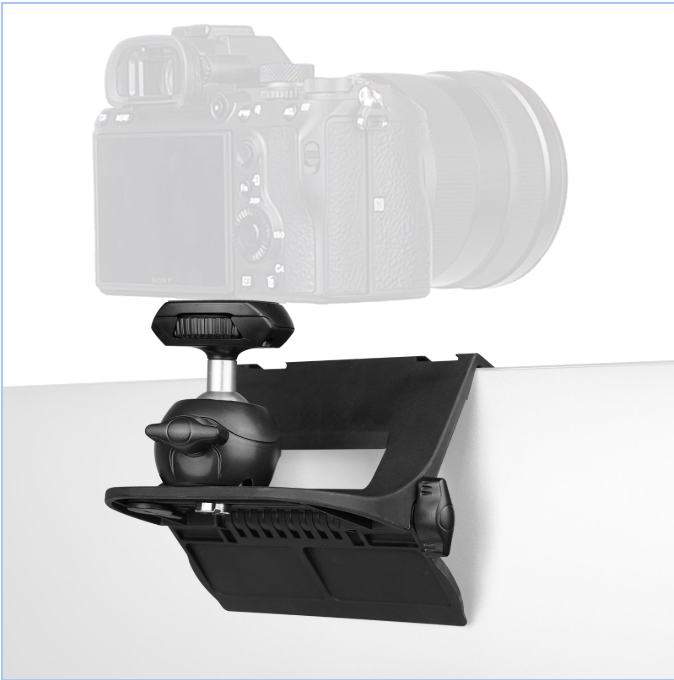
Once the camera is secured, positioning becomes the next challenge. Articulating arms with friction locks let you place monitors, lights, or secondary cameras at almost any angle. Ball heads offer smoother, more intuitive positioning for the main camera, particularly when working from tripods or sliders. The key is choosing arms and heads that lock down completely under load, without the gradual sag that plagues lower-quality options.
Common Mistakes to Avoid When Choosing Mounting Gear
Even experienced photographers fall into the same traps when expanding their kit. The most frequent mistake is buying the cheapest option available, only to discover that the plastic knobs strip, the metal flexes, or the locking mechanism fails after a few sessions. Mounting hardware is one area where the initial savings almost always turn into higher long-term costs. Raubay and similar specialists in photography support gear tend to focus on solid metal construction and consistent tolerances, which is what you want when a camera is dangling above concrete.
Another common error is overbuilding. A tabletop product shoot does not need a rig capable of holding a cinema camera. Matching the accessory to the actual use case keeps the kit lightweight and easy to transport. Consider these practical checks before any purchase:
- Confirm the thread size matches your existing plates and rails
- Check the load rating against your heaviest realistic setup
- Look for anti-twist pins on quick-release plates to prevent rotation
- Verify that locking knobs are made of metal, not plastic, in high-stress positions
Maintenance and Longevity of Mounting Accessories
Good mounting gear can last decades if you treat it well. Dust and grit are the primary enemies, working their way into threads and locking mechanisms until movement becomes rough. A quick wipe with a dry cloth after every shoot, combined with an occasional inspection for stripped threads or loose set screws, keeps everything working smoothly. Storing arms and clamps in a padded case prevents the small dings that eventually turn into alignment problems. Investing time in this routine pays off through years of reliable performance, and it prevents the frustration of discovering a broken piece halfway through a paid assignment.
Small Hardware, Big Impact on Every Shoot
The accessories that connect your camera to the world around it rarely appear in gear reviews, but they define what your camera can actually do on set. Choosing hardware that matches your workload, respecting weight ratings, and maintaining what you already own will save far more shots than any lens upgrade. Whether you are just starting to build out a studio or refining a kit that has evolved over years, treating mounting gear as a serious category rather than an afterthought is the mindset that separates repeatable, professional results from unpredictable ones. The next time a shot comes out perfectly stable, remember that the credit belongs partly to the small pieces of metal doing their job in the background.