Hot water is one of those everyday comforts you rarely think about until it disappears. One morning you turn the shower knob, wait for warmth that never comes, and suddenly your entire routine is thrown off. A functioning water heater keeps your home running smoothly, from morning showers to evening dishes, and getting the right unit installed correctly can make all the difference between years of reliable service and constant headaches.
Choosing to invest in a new water heater is a big decision, and how it gets installed matters just as much as which unit you buy. A poorly installed system can lead to inconsistent temperatures, higher energy bills, and even safety hazards. On the other hand, a properly installed water heater can serve your household efficiently for over a decade, saving you money and stress along the way.
This guide walks you through everything you need to know about getting a new water heater installed, from choosing the right type to understanding the installation process and knowing when it’s time for a replacement.
Signs Your Home Needs a New Water Heater
Most water heaters last between 8 and 12 years, depending on the type, usage, and maintenance history. If your unit is approaching this age or showing warning signs, it might be time to consider a replacement rather than another repair.
Common signs include:
- Inconsistent water temperature: If your showers swing from scalding to freezing, your heater’s thermostat or heating element may be failing.
- Rusty or discolored water: This often indicates corrosion inside the tank, which can eventually lead to leaks.
- Strange noises: Banging, rumbling, or popping sounds usually mean sediment buildup, which reduces efficiency and can shorten your unit’s lifespan.
- Rising energy bills: An aging water heater has to work harder to maintain temperature, which drives up energy costs over time.
- Visible leaks or moisture around the tank: This is often a sign that the tank itself is failing and needs immediate attention.
If you’re noticing any of these red flags, it’s worth having a professional take a look before a small issue turns into a costly emergency.
Choosing the Right Water Heater for Your Home
Not all water heaters are created equal, and selecting the right type depends on your household size, budget, and energy preferences. Here’s a quick breakdown of the most common options:
Tank Water Heaters
These are the traditional choice for most homes. They store and heat a set amount of water in a large tank, ready to use whenever you need it. Tank heaters are typically more affordable upfront and easier to install, making them a popular choice for families who need a consistent hot water supply.
Tankless Water Heaters
Tankless units heat water on demand, meaning they only use energy when hot water is actually needed. This can lead to significant energy savings over time, though the upfront installation cost tends to be higher. They’re a great fit for smaller households or those looking to maximize long-term efficiency.
Hybrid and Heat Pump Water Heaters
These systems use ambient air to help heat water, making them one of the most energy-efficient options available. While they cost more initially, the reduced energy consumption can pay off significantly over the years.
Each option comes with its own advantages, and the right choice really depends on your household’s hot water demands and how much you’re willing to invest upfront versus over time.
What to Expect During the Installation Process
Once you’ve chosen the right water heater, the installation process itself is where quality truly matters. A rushed or improper installation can lead to leaks, inefficient performance, or even void your manufacturer’s warranty.
Here’s what a thorough installation typically involves:
- Assessment of your current setup: A technician will evaluate your existing plumbing, electrical, or gas connections to determine compatibility with the new unit.
- Removal of the old water heater: This includes safely draining and disconnecting the existing system.
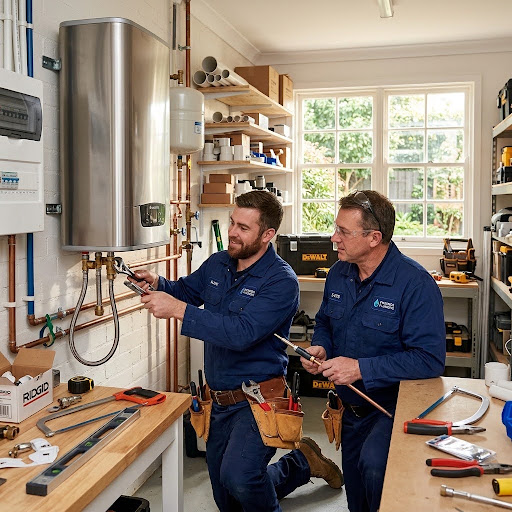
- Installation of the new unit: This involves connecting water lines, venting (for gas units), and electrical or gas connections, depending on the heater type.
- Testing and calibration: Once installed, the system is tested for leaks, proper temperature settings, and overall performance.
- Final walkthrough: A good technician will explain how to operate and maintain your new unit, along with any warranty details you should know.
Every step matters, and skipping proper testing or calibration can lead to issues down the road, ranging from minor inefficiencies to major safety concerns.
Why Hiring a Professional Makes All the Difference
It might be tempting to consider a DIY installation to save money, but water heaters involve a combination of plumbing, electrical, and sometimes gas connections that require specialized knowledge. A mistake in any of these areas can lead to costly damage or dangerous situations, including gas leaks or electrical hazards.
Reliable, efficient, and safe water heater installation begins with hiring a team that understands the ins and outs of every unit type and household setup. Professional technicians ensure that your system is installed to code, calibrated for optimal performance, and backed by warranties that protect your investment. Beyond the installation itself, working with experienced professionals means you’ll have ongoing support if anything goes wrong, along with guidance on maintenance that extends the life of your new unit.
Get Reliable Hot Water You Can Count On
A well-installed water heater isn’t just about convenience. It’s about peace of mind, knowing your home has a consistent, efficient, and safe supply of hot water for years to come. Whether you’re replacing an aging unit or upgrading to a more energy-efficient model, the installation process plays a critical role in how well your system performs over its lifetime.
If your current water heater is showing signs of wear or you’re simply ready for an upgrade, now is a great time to explore your options. A little investment today in proper installation can save you from expensive repairs and inconvenient breakdowns down the road.