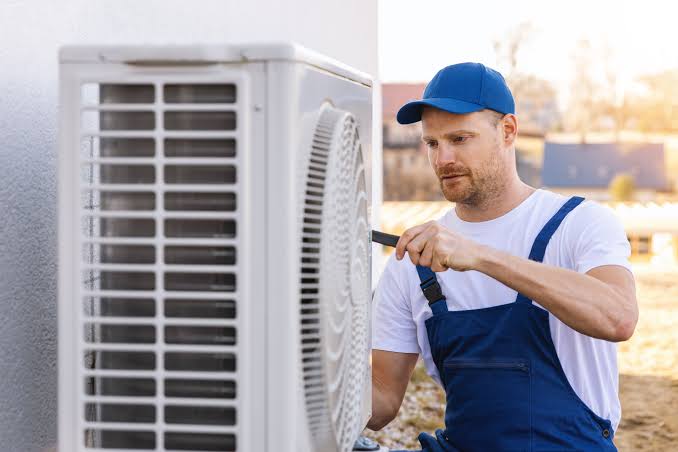
A heat pump is only as dependable as the design and workmanship behind it. The installer must assess the property, calculate demand, size every component, and explain how the finished system should operate.
Price matters, but it cannot reveal technical ability, communication standards, or aftercare. The right qualities protect comfort, energy use, equipment life, and the homeowner’s investment.
What Should You Check Before Hiring an Installer?
Homeowners comparing firms should examine technical credentials, survey methods, written proposals, and aftercare arrangements. Evidence matters more than a polished sales pitch when the work affects an entire heating system.
The installer should also understand local properties, weather conditions, planning considerations, and available electrical capacity. Ask for clear answers on the following points:
- Current MCS certification for the proposed heat pump technology
- Relevant heating, plumbing, electrical, and manufacturer training
- Recent experience with homes of a similar age and construction
- A complete room-by-room heat-loss calculation before installation
- Written heat pump, radiator, cylinder, and pipework specifications
- Estimated seasonal performance based on the proposed system design
- Details of subcontractors and responsibility for their workmanship
- Itemised pricing covering equipment, labour, controls, and upgrades
- Product warranties and workmanship guarantee terms in writing
- Commissioning records, operating instructions, and maintenance guidance
- Response procedures for faults discovered after installation
- References from customers with comparable heating requirements
Home Energy Scotland states that households using its Grant and Loan scheme must choose an MCS-certified installer. Homeowners exploring heat pump grants should confirm the relevant funding requirements before hiring an installer or committing to the work.
Which Technical Qualities Matter Most?
Heat pumps behave differently from conventional boilers. They normally work most effectively when water circulates steadily at lower temperatures, so accurate design is crucial. The following technical qualities help distinguish a careful installer from someone who simply fits equipment.
Formal Training and Relevant Certification
Good installers can show current training, suitable trade qualifications, and experience with the proposed heat pump type. Certification is a baseline, not the whole decision.
Home Energy Scotland says funded installations require an MCS-certified installer. Check the individual scope and confirm who will design, fit, and commission the system.
Accurate Heat-Loss Calculations
A heat pump must match the building’s actual heat demand. The installer should measure rooms, walls, windows, floors, and roofs instead of using a floor-area guess.
Energy Saving Trust calls heat-loss measurement a key part of sizing. Room-by-room evidence matters because each space may require a different radiator output.
Correct Heat Pump Sizing
Oversizing can increase cycling, while undersizing may leave rooms cold in severe weather. A capable installer checks output at the local design temperature.
The proposal should connect calculated demand with manufacturer performance data. Sizing needs written logic that the homeowner can review before ordering equipment.
Emitter and Flow Temperature Design
Heat pumps usually deliver water at lower temperatures than boilers. The installer must test whether existing radiators, floor loops, and pipes can release enough heat.
A good design states the chosen flow temperature and required emitter changes. Whole-system thinking counts because one strong unit cannot correct weak distribution.
Electrical and Hydraulic Knowledge
The job crosses plumbing, controls, electrical supply, drainage, and structural work. Installers should know their limits and involve qualified trades as required.
Ask who checks electrical capacity, protective devices, pipe sizing, system volume, and frost protection. Safe coordination prevents gaps throughout the work.
Control Setup and Commissioning
Controls shape comfort and running behaviour. The installer should configure weather compensation, schedules, hot-water settings, and sensible operating limits.
A specialist offering heat pump installation should explain local design choices clearly. Careful commissioning supports efficient daily use after handover.
Which Professional Qualities Protect the Customer?
Technical knowledge alone does not create a good customer experience. Installers enter private homes, coordinate disruptive work, and make decisions with long-term consequences. Their working practices should therefore be as dependable as their calculations.
Honest Property Assessment
A trustworthy installer may advise fabric improvements, larger emitters, or another heating option before accepting the job. That honesty protects households from a poor fit.
Be cautious when every property receives one recommendation after a quick visit. A sound survey challenges assumptions and records all practical constraints.
An Itemised Written Quotation
The quote should separate equipment, labour, radiator upgrades, electrical work, controls, commissioning, warranties, and any optional additions clearly.
Low totals can hide excluded work that appears later as a variation. An itemised scope limits surprises and shows who owns every necessary task.
Realistic Performance Expectations
No installer can promise one universal bill saving. Costs depend on heat demand, electricity tariffs, controls, flow temperature, behaviour, and the system replaced.
A credible proposal shares its performance estimate and explains the assumptions used. Measured expectations build trust more effectively than one headline figure.
Coordination With Other Trades
Heat pump projects may involve electricians, plumbers, builders, scaffolders, and energy advisers. The lead installer should schedule and supervise their work.
Customers should not have to settle disputes between separate trades. One accountable lead matters when pipes, power, controls, and building work must align.
Complete Documentation and Handover
The handover should include design figures, instructions, warranties, commissioning records, settings, maintenance requirements, and useful contact details.
Good paperwork makes future servicing and diagnosis faster. Keep the complete system record rather than leaving essential settings on an installer’s device.
Dependable Aftercare
Support after installation reveals how a firm treats long-term responsibility. Ask about response times, remote assistance, servicing, parts, and warranty claims.
References from similar recent homes can show how problems are handled. Reliable aftercare has a process, including named contacts and escalation steps.
A homeowner should not have to guess what good service looks like. The table below connects important installer qualities with practical evidence and warning signs.
| Quality | Evidence to Request | Warning Sign |
| Certification | Current MCS listing for the relevant technology | A logo appears on the quote, but registration cannot be verified |
| Design ability | Room-by-room heat-loss report and design temperature | Equipment is recommended before a detailed property survey |
| Product knowledge | Manufacturer training and performance data | The model is chosen only from its advertised maximum output |
| Heating knowledge | Radiator, pipework, cylinder, and flow calculations | Existing emitters are accepted without checking their output |
| Electrical awareness | Supply assessment and named electrical contractor | Electrical requirements are postponed until installation day |
| Transparency | Itemised quotation with exclusions clearly identified | The proposal gives one total with little supporting detail |
| Commissioning | Recorded settings, test results, and control guidance | The installer switches the unit on and leaves immediately |
| Aftercare | Written response process and warranty assistance | Support promises are verbal, vague, or tied to one individual |
Signs of a Complete Installation Proposal
A detailed proposal shows how the installer will turn survey findings into a working heating system. Every major responsibility should be documented before materials are ordered or work begins.
- A full heat-loss report covers every heated room in the property.
- The chosen heat pump output matches estimated winter heat demand.
- Radiator and pipe upgrades are listed within the final quotation.
- Electrical work and system controls have named responsible trade.
- Commissioning includes recorded settings, tests, and performance.
- The handover pack contains warranties, certificates, and manuals.
- Written aftercare terms explain service and fault response times.
Conclusion
The right heat pump installer brings proof, careful design, honest advice, and dependable support to the project. Check certification, demand the heat-loss figures, read the full scope, and ask who owns each stage. A strong installer will explain trade-offs without pressure and leave a record behind. That discipline gives the system a better chance to heat the home safely, efficiently, and reliably.