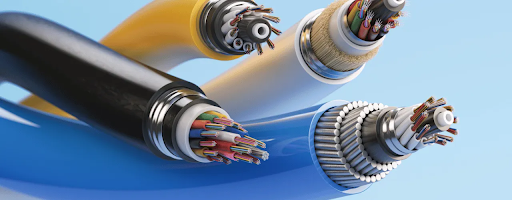
Cable assemblies used in marine and rail applications may serve very different systems, but the engineering challenges often overlap. Moisture, vibration, restricted access, temperature variation and long service lives can expose weaknesses that would be less obvious in a controlled environment. Choosing a marine cable supplier therefore involves more than finding a cable with the right conductor size or connector. The assembly has to suit the installation, remain serviceable and be reproducible when replacements are needed years later.
Design Around the Environment, Not the Catalogue
A standard cable may appear suitable on paper while creating practical problems once it reaches a vessel, trackside cabinet or depot system.
Marine installations can expose cables to moisture, salt, oils, vibration and confined routing. Rail systems may face repeated vibration, fire-performance requirements, mechanical wear and limited maintenance access. Cable construction, jacket material, shielding and connector choice should therefore follow the operating conditions rather than a familiar catalogue specification.
Early technical discussion can prevent a product being selected simply because it is available.
Routing Can Affect Reliability
Harsh environments are not only about water, heat or chemicals. The physical route can create its own risks. Tight bends, unsupported cable weight, repeated contact with metal edges or poorly positioned connectors can shorten service life. A connector may be electrically correct but still create a maintenance problem if technicians cannot reach it without removing surrounding equipment.
Reviewing the installation route early can reveal where additional protection, revised branch lengths or another connector orientation would improve the finished assembly.
Think About Service Access From the Start
A cable that performs correctly but takes several hours to replace can still create operational problems. Marine equipment may be installed behind panels or inside compact machinery spaces, while rail maintenance can be restricted to short planned windows. Clear labelling, accessible connectors and logical branch layouts can reduce the time needed to inspect or replace an assembly.
Where appropriate, modular sections can also allow a damaged part to be replaced without removing a complete loom.
Long-Term Support Depends on Documentation
Equipment in marine and transport systems can remain operational for many years. When a replacement is eventually required, the manufacturer needs to know exactly which revision should be rebuilt. Controlled drawings, bills of materials, test requirements and revision histories reduce reliance on memory. They also make engineering changes easier to manage when a connector becomes obsolete or a specified cable is no longer available.
This is one area where a specialist supplier can add value beyond the first production order. A replacement should reproduce the approved design rather than restart the engineering process from the beginning.
Rail Applications Add Their Own Constraints
A Railway cable manufacturer working on signalling, communications, rolling stock or depot equipment may also need to consider legacy infrastructure and tight installation windows. Existing equipment can limit available routes, while new systems may introduce denser cabling or different electrical requirements. Late design changes can be difficult to recover once installation has begun.
Useful questions to resolve early include whether the assembly can pass through the intended route, whether connectors remain accessible after surrounding equipment is fitted, and what test evidence will be required before installation.
Materials Should Match the Real Risk
Marine and rail projects can both require specialised materials, but the requirement should come from the application. Marine work may need stronger resistance to moisture, oils or corrosive environments. Rail projects may place greater emphasis on fire and toxicity performance. The important point is not to apply one “harsh environment” specification to every project.
A component-level approval also does not automatically mean the complete assembly meets every project requirement. The finished build needs to be assessed against the relevant specification and acceptance criteria.
Testing Should Be Defined Before Production
Testing is most useful when the requirement is clear before the first unit is built. Depending on the product, checks may include continuity, insulation resistance, functional testing or other project-specific inspections. The manufacturer should understand what evidence needs to be retained and supplied.
This improves repeatability because every batch is assessed against the same expectations rather than relying on informal judgement.
Conclusion
Marine and rail projects show why cable selection should be treated as part of the wider system design. Environmental exposure matters, but so do routing, maintenance access, documentation, material choice and long-term repeatability.
A well-designed assembly should be practical to install, reliable in service and straightforward to reproduce when future maintenance demands it. gemcable.co.uk supports bespoke cable assemblies, harnesses and wiring solutions for marine, rail and other demanding sectors, helping engineering and procurement teams translate project requirements into controlled UK-manufactured products.