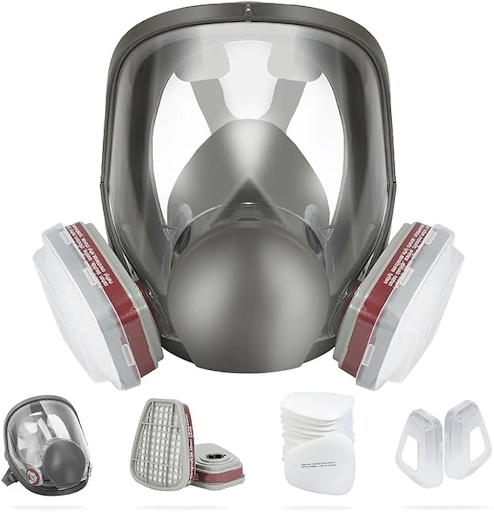
Dust can harm your lungs, even when you cannot see it in the air. This is why a good dust mask matters at work. Jobs like sanding wood, cutting stone, or fixing old walls can create fine dust. Some dust is mild, but some can cause serious harm over time. The right mask can help reduce the risk. Still, not every mask suits every job. You need to know what the air may contain, how the mask fits, and when it should be changed.
Know What Dust You Face
Dust is not all the same. Wood dust, stone dust, and other fine bits can affect your lungs in different ways. Some work also creates tiny particles that stay in the air for a long time. You may not see them, but you can still breathe them in. Start by checking the risks linked to your task. Read the safety notes and follow work rules. A mask should match the hazard, not just feel good on your face.
Learn How P3 Masks Work
P3 masks are made to help filter harmful particles from the air you breathe. They can be used with a suitable respirator or as part of a compatible mask system. The exact level of protection depends on the product, its fit, and how it is used. P3 filters are not a fix for every air hazard. They do not all protect against gases or vapors. Check the label and product guide before use, and ask a safety expert if the risk is unclear.
Pick a Mask That Fits
A mask can only work well when it fits your face. If air slips in around the edges, dust may get through. Facial hair, loose straps, and the wrong size can all affect the seal. Try the mask as the maker directs, and check it before each use. Tight does not always mean safe, either. The mask should sit well and let you breathe as intended. For tight-fitting masks at work, face-fit testing may be needed under the rules that apply to your job.
Check Filters Before Each Use
A filter needs care to work as it should. Check it for damage, dirt, or signs that it needs to be changed. If breathing feels harder than normal, stop work and follow the manufacturer’s advice. Do not wash or reuse a filter unless the product guide says it is safe. Keep spare filters in a clean, dry place. A small check can save time later. It also helps you spot wear before it becomes a bigger problem during a busy shift.
Use Safe Work Habits Every Day
A mask is only one part of dust control. Where possible, use tools with dust capture, good airflow, and safe work methods. Keep the work area clean, and avoid dry sweeping if it sends dust back into the air. Follow site rules and use the right gear for the task. If the job creates a lot of fine dust, stop and check the control plan before you carry on. Simple steps like these can lower exposure and help protect everyone nearby.
Store Your Mask with Care
When the job ends, do not leave your mask on a dusty bench or in a damp bag. Follow the maker’s steps to remove, clean, and store it. Keep reusable masks away from dirt, heat, and damage. Check straps, valves, seals, and other parts at regular times. Replace worn parts only with ones that the maker approves. If a mask is cracked or no longer fits well, do not rely on it. Good care can help your gear last and keep it ready for the next job.
Conclusion
Choosing the right mask starts with knowing the dust, the task, and the level of risk. A good fit, sound filters, and safe work habits all matter. Check each product guide and follow the rules for your site. If you are unsure, ask a trained safety expert before starting work. ProtectiveMasksDirect.co.uk offers respiratory protection products that can help buyers review suitable options. Take time to check the details, since the right choice can make a real difference to daily safety.