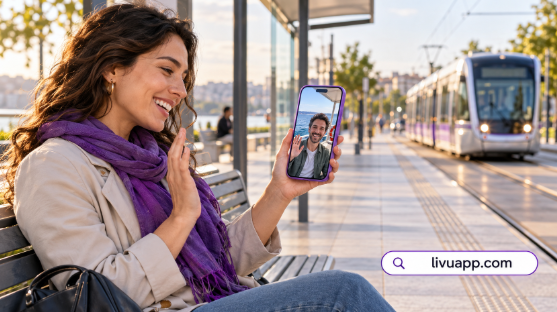
A commute may seem too ordinary to become an interesting conversation topic. It happens repeatedly, often while people are tired or focused on reaching their destination. Yet everyday travel reveals how a city moves, what its residents notice, and how local habits shape daily life.
During a video llamada con mujeres gratis, questions about transportation can move the conversation beyond standard introductions. A tram ride, ferry crossing, bus route, bicycle lane, or walk through a busy district can offer a glimpse into another person’s environment without requiring a formal travel discussion.
A call 1v1 also allows people to compare these experiences visually. One participant may live near an above-ground railway, while another regularly crosses water or walks through narrow streets. Those differences provide natural material for an engaging cultural exchange.
Begin With the Journey, Not the Destination
Questions about work or school can feel personal when people have only just met. Instead of asking exactly where someone goes each day, focus on the journey itself.
You might ask:
- “What is the most common way people travel in your city?”
- “Do you prefer walking, driving, or public transportation?”
- “What part of a typical journey do you enjoy most?”
- “Is your city easy to explore without a car?”
- “Does transportation become very busy at a particular time?”
These questions allow someone to share as much or as little as they choose. They also keep the conversation centered on experience rather than private details.
Describe the Rhythm of the City
Every transportation system has a rhythm. Some stations remain calm until a train arrives and suddenly become crowded. In other places, buses move continuously through busy streets. Ferries may create a slower routine shaped by the water and weather.
Ask what a normal journey feels like. Is it quiet or noisy? Predictable or chaotic? Do passengers rush, or do they usually have time to wait?
The answer can reveal how the wider city operates. A fast commute may reflect a culture of strict schedules, while a slower one may encourage flexibility. Neither is automatically better; they simply create different daily experiences.
Explore Unwritten Travel Rules
Public transportation often comes with rules that are rarely displayed on signs. Residents may know where to stand on an escalator, whether phone conversations are acceptable, or when passengers should offer someone a seat.
Useful questions include:
- “Is it normal to talk on public transportation?”
- “Do people form an orderly line?”
- “Are there special areas for bicycles or luggage?”
- “What behavior immediately identifies someone as a visitor?”
- “Is eating during the journey considered acceptable?”
These details can be entertaining, but discuss them without mocking other customs. What seems unusual in one place may be completely practical in another.
Compare the Views Along the Way
A commute is also a moving window. One person might pass modern office buildings, while another sees farms, mountains, industrial areas, or the sea.
Ask which view tells someone that they are almost home. It could be a bridge, a row of trees, a station mural, or a familiar group of shops.
This question often produces a more emotional answer than asking about famous landmarks. Familiar scenery becomes meaningful through repetition, even if tourists would never photograph it.
Talk About the Sounds of Travel
Transportation has its own soundtrack: doors closing, station announcements, bicycle bells, engines, footsteps, and conversations in the background.
Ask which sound is most closely connected to the other person’s commute. Is there a station announcement they have heard hundreds of times? Does a particular vehicle make a distinctive noise? Is the morning journey quieter than the evening one?
Sound can lead to discussions about language and accessibility. Some systems use multiple languages, musical signals, or visual alternatives to announcements. These design choices show how cities communicate with large groups of people.
Share an Unexpected Commute Story
Daily travel is repetitive, but unusual moments eventually happen. Someone may have boarded the wrong train, helped a confused visitor, seen a surprising performance, or watched an animal briefly interrupt traffic.
Invite a story with a gentle prompt: “Has anything unexpected ever happened during your journey?”
Keep the question open. The answer does not need to be dramatic. A stranger returning a lost glove or a bus driver waiting for someone can be memorable because it reveals kindness during an otherwise routine day.
Discuss How People Use Travel Time
Commuters fill their journeys in different ways. Some listen to music or podcasts, while others read, sleep, observe the scenery, or plan the day.
Comparing these habits can lead naturally into other interests. A person who reads on the train may recommend a book. Someone who watches the passing streets may enjoy photography or architecture. Another person may value the commute as one of the few quiet periods in the day.
Avoid suggesting that every minute must be productive. Looking out of a window can be just as meaningful as completing a task.
Consider Accessibility and Comfort
Transportation is not equally convenient for everyone. Stairs, crowded vehicles, limited seating, unclear signs, or long distances between stops can create difficulties.
Discuss accessibility thoughtfully rather than treating it as an abstract feature. You could ask what the local system does well and what residents wish would improve.
Comfort also depends on climate. Covered platforms may be important in rainy areas, while shade and ventilation matter in hotter places. This introduces city design without turning the exchange into a technical debate.
Compare Old and New Transportation
Many cities contain several generations of transportation at once. Historic trams may operate near modern trains. Traditional boats might share the water with fast ferries, while bicycle systems continue to grow beside busy roads.
Ask whether local transportation has changed during the other person’s lifetime. Did a new route make part of the city easier to reach? Have payment methods changed? Do people still feel attached to an older type of vehicle?
Such changes can reveal how a city is developing and which parts of its identity residents want to preserve.
Protect Real-Time Location Details
Commute conversations should remain general. There is no need to share a home station, workplace address, exact route, or daily departure time.
If someone is waiting for transportation, they should remain aware of vehicles, crowds, personal belongings, and platform edges. It is safer to have a longer conversation while seated in a secure location than while walking, boarding, cycling, or crossing a road.
A friendly topic should never require either participant to compromise privacy or physical safety.
Imagine One Day in Each Other’s City
To conclude the topic, imagine using the other person’s preferred form of transportation for one day.
What would be exciting? What might feel confusing? Would you know how to buy a ticket, recognize the correct stop, or follow local etiquette?
This small thought experiment encourages curiosity without reducing a city to tourist attractions. It asks people to imagine ordinary life from another perspective.
Everyday Movement, Unexpected Connection
A video llamada con mujeres gratis conversation can become more vivid when people describe the routes, sounds, habits, and unexpected moments that shape their days. Likewise, a call 1v1 can reveal how two cities differ without requiring either person to share sensitive location information.
The daily commute may be routine, but it contains countless observations about culture, design, patience, and human behavior. With the right questions, the journey becomes just as interesting as the destination.