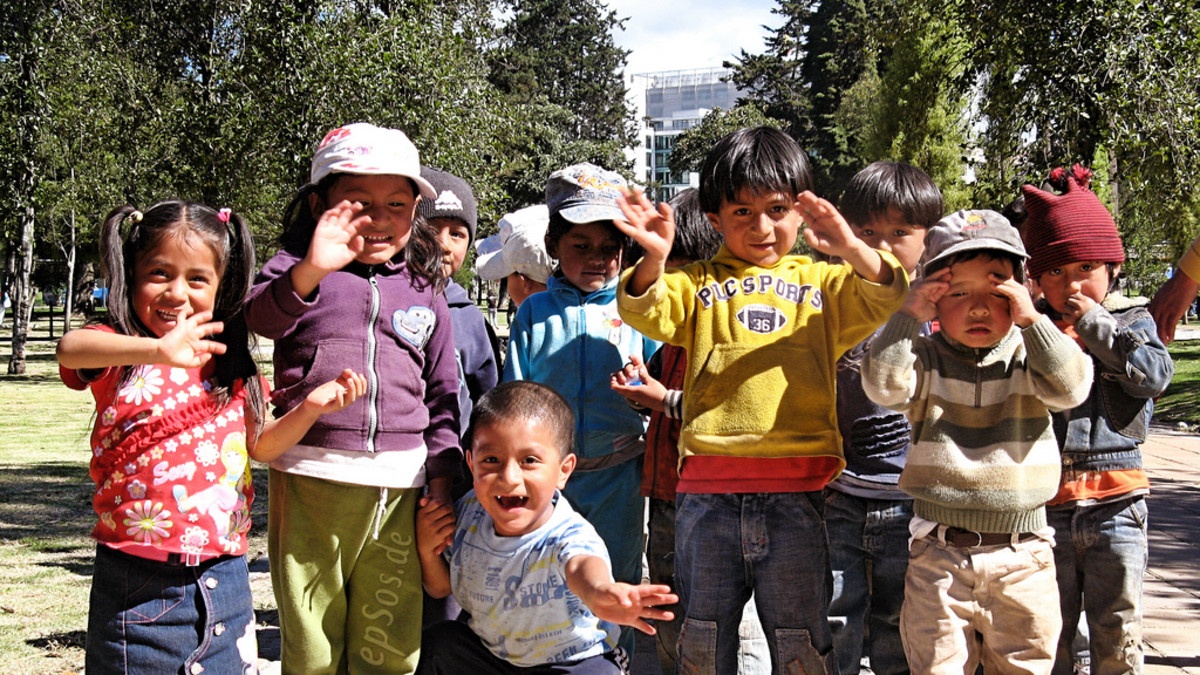
The human brain undergoes its most rapid and profound structural architecture changes during the first decade of life. As children navigate their surroundings, their neural networks are constantly firing, cataloging sensory data, emotional responses, and social interactions into an emerging framework of personal identity. Yet, when adults look back at their earliest years, memory proves to be highly selective. Vast stretches of formal classroom instruction and expensive commercial toys often fade entirely, while specific, seemingly mundane moments remain vivid decades later.
Understanding what makes an experience stick in a child’s long-term memory is a core focus of modern developmental psychology. Memory formation is not a passive recording process; rather, it is deeply intertwined with emotional resonance, sensory immersion, and the predictability of human connection. By examining the underlying neurological mechanics of childhood recollection, families and educators can intentionally foster environments that ground a child’s early life in a durable sense of security, wonder, and lifelong belonging.
1. The Neurobiology of Emotional Anchoring
At a neurological level, the creation of an enduring memory is heavily governed by the amygdala—the brain’s emotional processing center—and its close relationship with the hippocampus, which indexes long-term memories. When an event is accompanied by a heightened emotional state, whether intense joy, surprising novelty, or deep comfort, the amygdala flags that specific experience as highly significant, signaling the brain to preserve it with greater structural clarity.
This is why complex, hyper-commercialized vacations often fail to register as lasting childhood memories, while a spontaneous evening walk in a summer rainstorm remains etched in the mind forever. The rainstorm introduces a high level of sensory novelty and unscripted joy that triggers an immediate neural response. It is not the financial investment or the scale of an event that dictates its longevity, but the emotional presence experienced during the moment. When a child feels completely safe, seen, and emotionally engaged, their brain naturally locks that experience into their permanent cognitive history.
2. The Power of Shared Family Rituals and Micro-Traditions
While isolated, novel events create striking mental snapshots, the overall narrative arc of a memorable childhood is constructed through repetition and predictability. Human memory relies heavily on patterns. When an action or event is repeated consistently, it transitions from a single memory into a foundational life ritual.
These micro-traditions do not require elaborate planning or significant financial resources; their power lies entirely in their predictability. A specific Saturday morning pancake shape, a unique handshake before parting ways for the day, or a dedicated Friday night board game routine builds a profound sense of cultural identity within a child. These predictable rhythms serve as emotional anchor points. In an unpredictable world, knowing that a specific, comforting family ritual will occur provides the baseline psychological safety that allows a child’s mind to rest, reflect, and confidently explore their environment, leaving a permanent imprint of familial warmth.
3. Sensory Richness in Early Developmental Environments
The memories of early childhood are fundamentally sensory. Long before a child develops a sophisticated vocabulary to describe their experiences, their world is defined by tactile textures, distinct aromas, changing ambient light, and vocal cadences. The physical environments where children spend their formative, daytime hours play a massive role in shaping this rich sensory tapestry.
For working parents, selecting a daytime environment that feels like a natural extension of a nurturing home is essential for cultivating these positive sensory memories. Placing a child in an atmosphere that balances structured learning with organic comfort creates a highly receptive mental state. For families in the Southwest seeking this careful balance, choosing a dedicated day care in Flowing Wells Tucson ensures that a child’s early memories are rooted in an inviting, homelike setting.
These specialized spaces are intentionally designed to stimulate healthy sensory development through interactive story hours, exploratory outdoor play spaces, and collaborative group dining. When a child’s daytime environment is consistently filled with the comforting scent of freshly prepared meals, the tactile satisfaction of natural wooden building blocks, and the supportive laughter of dedicated caregivers, those early years are remembered not as a blur of institutional separation, but as a warm, secure era of joyful discovery and profound peace.
4. Unstructured Time and the Magic of Boredom
In a modern society obsessed with optimization and continuous enrichment schedules, children’s calendars are frequently packed with organized sports, music tutorials, and digital educational apps. However, over-scheduling leaves very little cognitive space for deep memory consolidation.
Some of the most memorable moments of childhood emerge directly from the blank spaces of an open afternoon—a state often initially labeled as boredom. When left to their own cognitive devices without an electronic screen or an adult director, a child’s imagination is forced to activate. Boredom serves as the vital catalyst for creative world-building, leading to the construction of elaborate living-room blanket forts, complex backyard fantasy games, or deep examinations of insects in the grass. Because the child is the primary author and architect of these imaginative scenarios, the memories generated carry an immense sense of personal ownership and vivid detail that external entertainment can never replicate.
Conclusion
Crafting a memorable childhood is an art form rooted in simplicity, presence, and intentional environmental design. It is a long-term victory achieved by prioritizing emotional presence over material acquisitions, establishing predictable family traditions, selecting rich and comforting early childhood spaces, and protecting the sacred freedom of unstructured play. By focusing on these core elements, parents and educators provide children with a resilient internal landscape that outlasts the temporary trend of any toy or digital device. Ensuring that these formative years are anchored in safety and authentic sensory exploration guarantees that when a child grows into adulthood, they will look backward from a steady foundation of deep emotional security, enduring joy, and an uncompromised sense of personal worth.