Executing a kitchen remodel is one of the most significant and rewarding investments a homeowner can make to improve property value and enhance daily living. Within any kitchen design, the countertops serve as both the aesthetic centerpiece and the primary functional workhorse of the room. From chopped vegetables and spilled coffee to scorching hot pots and heavy cast-iron skillets, these horizontal surfaces endure continuous physical and chemical stress.
Choosing the right material upgrade requires a careful balance of visual appeal, long-term durability, maintenance requirements, and budget constraints. With a vast array of natural stones, engineered surfaces, and synthetic options available on the modern market, finding the ideal match can feel overwhelming. This comprehensive guide breaks down the leading countertop materials, helping you make an informed decision that suits your cooking habits and design vision.
Evaluating Engineered Stone for Maximum Resilience
For homeowners seeking a stress-free surface that combines the elegant look of natural stone with industrial-grade durability, engineered materials represent the gold standard of modern kitchen design.
The Structural Advantages of Solid Quartz
Engineered stone surfaces are manufactured by fusing roughly ninety percent crushed natural quartz crystals with advanced polymer resins and pigments under immense pressure. This specialized production process creates a completely non-porous slab that is highly resistant to scratching, chipping, and cracking. Unlike natural options, engineered surfaces never require professional sealing, meaning they will not absorb staining liquids like red wine, lemon juice, or olive oil.
Customizing Your Design Aesthetic
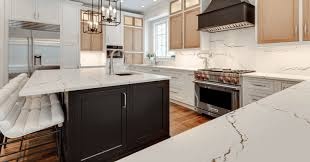
Because engineered surfaces are fabricated under controlled conditions, manufacturers can create incredibly consistent patterns and color profiles. You can choose slabs that mimic the dramatic, bold veining of luxury Italian marble or opt for a sleek, uniform concrete appearance fit for an industrial loft. For property owners looking to renovate their culinary spaces in the mountain west region, selecting high-quality quartz countertops in Salt Lake City, UT provides a highly durable surface that easily withstands heavy family use while beautifully reflecting the natural light of high-altitude homes.
Exploring the Timeless Elegance of Natural Stone
Natural stone countertops appeal to homeowners who value absolute individuality, luxury, and the raw beauty of earth-born materials. No two natural slabs are identical, ensuring your kitchen remains entirely unique.
The Enduring Majesty of Granite
Granite remains one of the most popular natural stone choices due to its exceptional hardness and thermal resistance. Formed deep within the earth’s crust under intense heat, a granite counter can handle hot pans taken directly from the stove burner without scorching or cracking. However, granite is inherently porous. To prevent liquids from seeping into the stone and causing permanent dark stains or bacterial growth, you must apply a protective chemical sealer to the surface at least once a year.
The Soft Luxury of Marble and Soapstone
Marble is globally renowned for its bright white backgrounds and elegant, feather-like veining. While visually stunning, marble is a soft, calcitic stone that is highly susceptible to etching, a chemical reaction that occurs when acidic substances like vinegar or citrus dull the polished finish. If you prefer a more rustic, matte appearance, soapstone is an excellent natural alternative. Soapstone is chemically inert and completely non-porous, meaning it resists stains naturally, though it is prone to minor surface scratches that must be oiled regularly to maintain a deep, rich patina.
Modern Alternatives: Sintered Stone and Solid Surfaces
As manufacturing technology advances, new categories of synthetic and ultra-compact materials are redefining the boundaries of kitchen design performance.
The Industrial Strength of Porcelain and Sintered Stone
Porcelain and sintered stone countertops are made from specialized clay and mineral dust subjected to extreme heat and pressure, mimicking the natural metamorphic process of stone formation in a matter of hours. The result is an incredibly thin, lightweight slab that is entirely UV-resistant, scratch-proof, and virtually fireproof. You can place a scorching hot baking sheet directly onto a porcelain counter without a trivet, making it a favorite material for enthusiastic home chefs.
The Seamless Integration of Acrylic Solid Surfaces
Solid surface materials are crafted from a blend of acrylic resins and natural minerals. While they do not offer the extreme scratch resistance of engineered quartz or porcelain, solid surfaces possess a unique structural benefit: they can be seamlessly joined together. A professional installer can fuse multiple sections of a solid surface counter and an integrated sink basin into a single, continuous unit with zero visible seams, completely eliminating dirt-trapping crevices and creating an incredibly hygienic, easy-to-clean environment.
By carefully assessing your daily cooking habits, your willingness to perform routine stone maintenance, and your long-term aesthetic goals, you can confidently select a countertop upgrade that elevates your kitchen into a beautiful, high-functioning culinary sanctuary.