Introduction
Precision and reliability are critical in industrial maintenance and assembly operations. Whether working in oil and gas, mining, construction, power generation, or heavy manufacturing, proper bolt tightening ensures safety, equipment performance, and long-term durability. Among the most effective tools used for controlled bolt tightening are hydraulic torque systems, which provide accurate and repeatable torque output even in demanding environments.
Hydraulic technology has become increasingly popular because it reduces manual effort while delivering high torque accuracy. Compared to traditional tightening methods, hydraulic solutions help prevent under-tightening and over-tightening, both of which can lead to equipment failures and expensive downtime. Modern industries now depend heavily on advanced torque equipment to maintain operational efficiency and workplace safety.
Understanding the Role of Hydraulic Torque Equipment
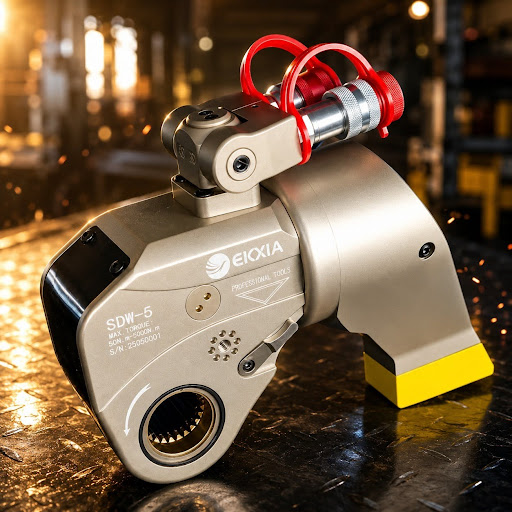
Industrial bolting applications often require precise force in confined or high-pressure environments. A Hydraulic Torque Wrench is specifically designed to deliver controlled torque output using hydraulic pressure, making it ideal for heavy-duty fastening tasks. These tools are commonly used for tightening and loosening large bolts on pipelines, turbines, pressure vessels, and structural equipment.
Manufacturers typically offer several categories of hydraulic torque tools to meet different operational needs. Common types include square-drive, low-profile, and coaxial square-drive models. Each design serves a unique purpose depending on bolt accessibility and workspace limitations. In situations where standard models cannot fit, customized accessories or fully redesigned tools can be developed according to application dimensions.
OEM and ODM services also play an important role in industrial tooling. Many companies require specialized torque solutions that align with unique machinery or operational requirements. By offering customization capabilities, manufacturers help industries maintain productivity even in highly restricted workspaces.
Key Benefits of Hydraulic Torque Technology
Hydraulic torque systems provide numerous advantages over conventional manual or pneumatic tools. One of the most important benefits is precision. These tools are engineered to deliver consistent torque values, reducing the risk of bolt failure caused by incorrect tightening.
Another major advantage is efficiency. Hydraulic systems generate high torque with minimal operator effort, allowing technicians to complete tasks faster and with less physical strain. This improved efficiency is especially valuable during shutdown maintenance projects where time management is critical.
Safety is another essential factor. Manual tightening methods can expose workers to injuries caused by overexertion or sudden tool movement. Hydraulic systems are designed to operate smoothly and predictably, minimizing workplace hazards.
Additionally, hydraulic torque tools are highly durable and capable of handling demanding industrial environments. Their robust construction allows them to perform reliably under high pressure, extreme temperatures, and continuous operation.
Different Types of Hydraulic Torque Wrenches
Selecting the correct torque tool depends on the specific application and workspace conditions. The three most commonly used hydraulic torque wrench designs include square-drive, low-profile, and coaxial square-drive models.
Square-Drive Models
Square-drive hydraulic wrenches are versatile and widely used in general industrial maintenance. They can accommodate a variety of socket sizes, making them suitable for multiple bolting applications.
Low-Profile Models
Low-profile hydraulic wrenches are designed for confined spaces where traditional tools cannot fit. Their compact structure allows operators to access bolts in restricted areas such as flanges and narrow equipment assemblies.
Coaxial Square-Drive Models
Coaxial square-drive designs combine the flexibility of square-drive systems with improved alignment and balance. These tools are often preferred for applications requiring higher stability and precision.
In addition to standard models, many manufacturers provide custom-engineered solutions for highly specialized applications. This flexibility ensures that industries can maintain safe and efficient bolting operations regardless of workspace limitations.
Industries That Depend on Hydraulic Torque Systems
Hydraulic torque equipment is widely used across various industrial sectors due to its reliability and precision. One of the largest users is the oil and gas industry, where pipeline flanges, drilling systems, and pressure equipment require accurate bolt tightening.
Power generation facilities also rely heavily on hydraulic torque systems for turbine maintenance and equipment assembly. In wind energy projects, technicians use hydraulic tools to secure massive structural bolts on wind turbines.
The mining and construction industries benefit from hydraulic torque solutions because of their ability to handle large-scale machinery and structural components. Similarly, shipbuilding and heavy manufacturing operations use these tools to ensure consistent assembly quality and equipment safety.
Even the aerospace and transportation sectors utilize hydraulic torque systems for specialized maintenance applications where precision fastening is essential.
Factors to Consider When Choosing a Hydraulic Torque Tool
Choosing the right hydraulic torque equipment requires careful evaluation of several factors. One of the first considerations is the required torque range. Different applications demand different torque capacities, so selecting the appropriate model is essential for optimal performance.
Workspace accessibility is another important factor. In confined environments, low-profile or customized solutions may be necessary to achieve proper bolt engagement.
Durability and material quality should also be evaluated, especially for operations conducted in harsh environments. High-quality hydraulic tools are designed to resist wear, corrosion, and pressure-related damage.
Compatibility with hydraulic pumps and accessories is equally important. Efficient system integration improves operational reliability and simplifies maintenance procedures.
Finally, businesses should consider supplier support and customization capabilities. Manufacturers that provide OEM and ODM services can offer tailored solutions that improve productivity and address unique operational challenges.
The Future of Hydraulic Torque Technology
As industries continue to modernize, hydraulic torque technology is evolving to meet new performance and safety standards. Advanced digital monitoring systems are increasingly being integrated into hydraulic tools, allowing operators to track torque values more accurately in real time.
Automation is another growing trend in industrial bolting. Smart hydraulic systems can now improve consistency, reduce human error, and enhance overall operational efficiency. Lightweight materials and ergonomic designs are also becoming more common, making tools easier to handle without sacrificing performance.
Sustainability is influencing tool manufacturing as well. Modern hydraulic systems are being designed with energy efficiency and reduced maintenance requirements in mind, helping industries lower operational costs while minimizing environmental impact.
Customization will continue to remain a major focus in the future. As industrial applications become more specialized, demand for adaptable and application-specific torque solutions is expected to increase significantly.
Conclusion
Industrial operations depend heavily on accurate and reliable bolting solutions to maintain safety, efficiency, and equipment performance. A Hydraulic Torque Wrench provides the precision and power necessary for demanding applications across industries such as oil and gas, power generation, mining, manufacturing, and construction.
With options including square-drive, low-profile, and coaxial square-drive designs, hydraulic torque systems offer flexibility for both standard and confined applications. Custom-engineered solutions, along with OEM and ODM support, further ensure that industries can meet unique operational requirements effectively. As technology continues to advance, hydraulic torque equipment will remain an essential component of modern industrial maintenance and assembly operations. In order to know more, please visit the official site.