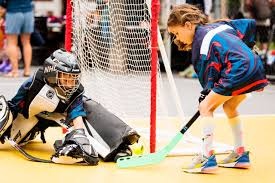
Stepping onto the ice for the first time is an exhilarating experience that combines speed, strategy, and physical intensity. However, in the world of hockey, talent and determination are only part of the equation. To truly enjoy the sport and progress in your skills, you must be equipped with the right tools. High-quality gear doesn’t just enhance your performance; it serves as a vital shield against the physical demands of the game. Whether you are a newcomer or looking to upgrade, understanding the essentials is the first step toward greatness on the rink.
The Foundation: Skates
No piece of equipment is more crucial than a player’s skates. They are the direct link between you and the ice, influencing your speed, balance, and maneuverability. When selecting your first pair, prioritize fit above all else. A boot that is too tight can cause painful blisters, while one that is too loose will result in poor control and potential ankle injuries.
Modern skates often feature heat-moldable boots, allowing for a custom fit that contours to your foot. Additionally, consider the blade radius and profile, which can be adjusted to suit your skating style—whether you prefer stability or sharp turns. Regular sharpening and consistent maintenance are necessary to ensure you are always gliding efficiently.
Head Protection: The Helmet
Safety is non-negotiable, and your helmet is the first line of defense against impact. A high-quality helmet must fit snugly, sit level on your head, and remain stationary during intense play. Look for advanced models that utilize impact-absorbing foam and a durable outer shell to protect against falls and stray pucks.
Most players must choose between a full cage, a half visor, or a full shield. While adults might opt for visors to improve visibility, younger players and beginners are typically required to use full cages for maximum protection. Always ensure your chosen model is certified by safety standards such as HECC or CSA.
Torso and Hand Defense
Because hockey is a contact sport, protecting your upper body is essential. Shoulder pads are designed to shield the chest, spine, shoulders, and upper arms without severely restricting your range of motion. Modern designs focus on being lightweight and moisture-wicking, which helps keep you comfortable during long sessions on the ice.
Your hands also require specialized protection. Hockey gloves prevent injuries from slashes and help absorb the vibrations from stick handling. A well-fitting glove should offer a firm yet flexible grip, allowing for the dexterity needed to handle passes and execute quick shots. Palm materials, ranging from synthetic leather to high-performance textiles, provide different levels of durability and feel.
The Stick: An Extension of the Player
Your hockey stick is your primary tool for interacting with the game. It influences everything from shooting power to puck control. For new players, composite sticks are the standard choice because they offer a balanced, lightweight feel. When selecting a stick, consider the flex, curve pattern, and length.
Forwards often prefer more flexible sticks for quick releases, while defensemen may choose stiffer models for powerful slap shots and long passes. Don’t forget to apply tape to your stick blade; this simple addition significantly improves your grip on the puck and provides better overall control.
Lower-Body Armor
To protect your lower body, you will need hockey pants and shin guards. Hockey pants (often called breezers) protect the thighs, hips, and tailbone from impacts and falls. They should overlap slightly with your shoulder pads to ensure there are no exposed gaps in your protection.
Shin guards are equally vital, safeguarding your knees and shins from pucks, sticks, and the ice itself. They should extend from just above your skates to the top of your knees, held securely in place by straps or Velcro.
Essential Safety and Comfort
While the larger pieces of gear get most of the attention, smaller items are just as important for safety. Using a mouthguard is a critical step in protecting your teeth and significantly reducing the risk of concussions during play. Additionally, consider optional extras like neck guards for protection against stray sticks and performance base layers to help regulate your body temperature.
Finally, a quality equipment bag is necessary to keep your gear organized and protected during transport. Hockey demands strength and courage, but greatness also comes from meticulous preparation. By investing in the right essentials, you build the confidence needed to step onto the rink and play your best every single time.