The Overlooked Relationship Between Sleep and Daily Health
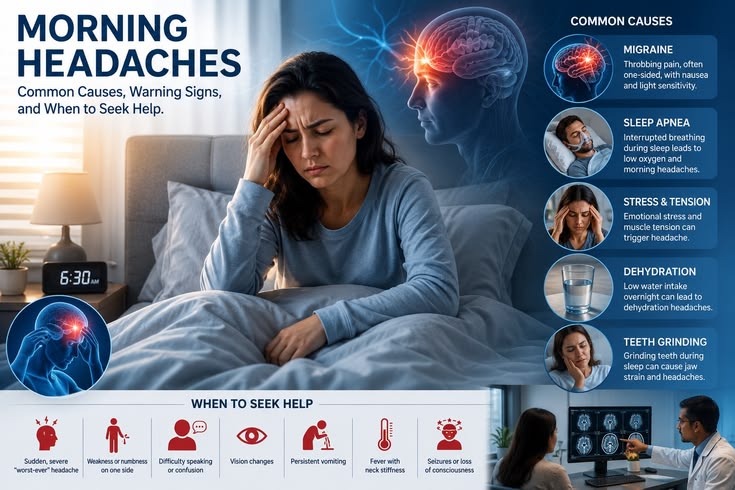
Sleep apnea is increasingly recognized as more than a nighttime breathing disorder. Its effects can extend into the morning and throughout the day, influencing how people feel, think, work, and function. Repeated interruptions to normal breathing can fragment sleep and interfere with the restorative processes that ordinarily occur during uninterrupted rest. Among the symptoms associated with the condition are morning headaches, persistent fatigue, excessive daytime sleepiness, difficulty concentrating, and a sense of waking without feeling refreshed. Clinical guidance identifies morning headaches and daytime fatigue among symptoms that warrant consideration during evaluation for obstructive sleep apnea.
Obstructive sleep apnea occurs when the upper airway repeatedly becomes partially or completely blocked during sleep. These interruptions can occur many times throughout a night, with each event potentially causing an arousal or transition toward lighter sleep. The individual may not remember these episodes in the morning, yet their cumulative effect can be substantial. Sleep becomes fragmented rather than progressing normally through its restorative stages.
Why Sleep Apnea Can Trigger Morning Headaches
Morning headaches associated with sleep apnea have attracted considerable clinical attention because they can sometimes provide an early indication of disrupted nighttime breathing. Research has identified several physiological mechanisms that may contribute to these headaches, although the relationship is not entirely explained by a single process.
Repeated breathing interruptions can produce fluctuations in oxygen and carbon dioxide levels. During an obstructive event, airflow may decrease substantially or stop temporarily, changing the balance of gases in the bloodstream. Carbon dioxide can rise while oxygen levels fall, followed by a return toward normal when breathing resumes. These repeated changes may influence cerebral blood vessels and other physiological systems involved in headache development.
Medical reviews have identified intermittent hypoxia, hypercapnia, changes in cerebral blood flow, and disrupted sleep as potential contributors to morning headaches associated with sleep-disordered breathing. However, researchers caution against assuming that every headache experienced by someone with sleep apnea is caused by the condition.
A systematic review and meta-analysis published in Sleep Medicine Reviews found that approximately one-third of people with obstructive sleep apnea in the included studies experienced morning headaches. At the same time, the analysis did not establish that obstructive sleep apnea independently increases the overall risk of headaches, highlighting the complexity of the relationship.
The characteristics of the headache can nevertheless provide useful clinical information. Sleep-apnea-related headaches are commonly reported shortly after waking and may improve as normal breathing resumes and the person becomes fully awake. Persistent or recurrent morning headaches therefore deserve attention, particularly when they occur alongside loud snoring, witnessed breathing interruptions, nighttime gasping, or significant daytime sleepiness.
The Physiology Behind Daytime Fatigue
Daytime fatigue is one of the most consequential effects of fragmented sleep. Even when a person remains in bed for seven or eight hours, repeated respiratory events can interrupt normal sleep architecture. These interruptions may be brief enough to escape conscious awareness but frequent enough to prevent consistently restorative sleep.
“Excessive daytime sleepiness is particularly important in obstructive sleep apnea. Clinical research describes several possible contributors, including repeated micro-arousals, chronic intermittent hypoxia, inflammatory processes, and changes affecting neural systems responsible for maintaining alertness. The consequences can extend well beyond feeling tired. People experiencing persistent sleepiness may struggle to maintain attention during meetings, reading, driving, studying, or routine household activities. Cognitive performance can also be affected, particularly when sustained attention and executive functioning are required”. Says Dr. Muhammad Qasim, Medical and Health Writer, Mysleepapneateam
Daytime fatigue can also influence emotional wellbeing. Chronic sleep disruption may contribute to irritability, reduced motivation, mood changes, and diminished resilience to everyday stress. These effects can become self-reinforcing when fatigue reduces physical activity and productivity, potentially creating additional problems that further interfere with healthy sleep.
Sleep Fragmentation and Cognitive Performance
The brain depends on stable, uninterrupted sleep to support attention, memory, learning, and other cognitive processes. Repeated interruptions can interfere with these functions even when an individual does not consciously remember waking during the night.
Research examining excessive daytime sleepiness in obstructive sleep apnea has associated the condition with impairments involving attention, memory, and higher-order executive functions. Such impairments can affect both professional and personal responsibilities.
The practical consequences can be significant. A person who previously maintained concentration for extended periods may find themselves becoming distracted or mentally exhausted earlier in the day. Tasks requiring sustained decision-making can become more difficult, while routine responsibilities may require greater effort.
Safety is another important concern. Excessive sleepiness can compromise reaction time and alertness, creating particular risks for driving and occupations that involve machinery or other hazards. Medical literature has associated excessive daytime sleepiness in obstructive sleep apnea with increased risks of motor vehicle and occupational accidents.
These consequences demonstrate why sleep apnea should not be considered solely a nighttime inconvenience. The disruption continues into waking hours through physiological and neurological effects that can influence everyday performance.
The Role of Oxygen and Breathing Interruptions
One of the defining characteristics of obstructive sleep apnea is repeated disruption of normal airflow. These episodes can produce intermittent reductions in blood oxygen levels, followed by recovery when breathing resumes. The repeated cycle places stress on multiple physiological systems.
Cardiovascular research has described intermittent hypoxemia and reoxygenation, repeated arousals, increased sympathetic activity, and pressure changes within the chest as important physiological consequences of obstructive sleep apnea.
Although oxygen fluctuations are an important part of the condition, they should not be viewed in isolation. Sleep fragmentation, changes in carbon dioxide, autonomic activation, and altered sleep architecture can operate simultaneously. This combination helps explain why symptoms can vary considerably between individuals.
“The severity of symptoms also does not always correspond perfectly with an individual’s perception of sleep quality. Some people with substantial breathing disturbances may primarily notice fatigue, while others may report morning headaches, difficulty concentrating, dry mouth, or unrefreshing sleep. Current clinical guidance recognizes that symptom patterns can differ and that objective sleep testing is important when obstructive sleep apnea is suspected”. Says Manny Hernandez Co-Founder, TuDiabetes
Understanding these mechanisms is important because it shifts attention away from treating symptoms in isolation. A recurring morning headache may have multiple possible causes, while daytime fatigue can arise from numerous medical, behavioral, and psychological factors. Identifying an underlying breathing disorder requires appropriate clinical evaluation rather than assumptions based on one symptom.
Recognizing Patterns That May Indicate Sleep Apnea
The combination of symptoms can be more informative than any individual complaint. Morning headaches accompanied by loud habitual snoring, witnessed pauses in breathing, gasping, choking sensations, or persistent daytime sleepiness can provide a stronger reason to investigate sleep-disordered breathing.
“Clinical recommendations encourage healthcare professionals to consider symptoms such as snoring, witnessed apneas, nighttime gasping, non-restorative sleep, morning headaches, and excessive daytime sleepiness when assessing patients for obstructive sleep apnea. Other factors can also increase clinical suspicion. Obesity, increased neck circumference, hypertension, certain anatomical characteristics, and some cardiovascular or metabolic conditions have been associated with elevated risk. However, sleep apnea can occur in people who do not fit a stereotypical profile, meaning the absence of obesity or severe snoring should not automatically exclude the condition”. Says David Bleckner, Founder, DailyStrength
Diagnosis and the Importance of Appropriate Treatment:
When sleep apnea is suspected, healthcare professionals may evaluate symptoms, medical history, physical characteristics, and risk factors before determining whether objective sleep testing is appropriate. Depending on the circumstances, testing may take place in a specialized sleep laboratory or through an appropriate home-based assessment.
Diagnosis matters because treating an underlying breathing disorder can address the source of multiple symptoms rather than merely attempting to manage their consequences. Clinical guidelines recognize improvements in sleep-related quality of life among people with obstructive sleep apnea receiving appropriate positive airway pressure treatment, including improvements in symptoms such as morning headaches and daytime fatigue.
Treatment approaches vary according to the type and severity of sleep apnea, individual anatomy, medical history, and other circumstances. Positive airway pressure is one established treatment approach, while other interventions may be appropriate for selected patients.
Improvement in symptoms can also provide an important indication that nighttime breathing disruption was contributing to daytime difficulties. Nevertheless, persistent fatigue after treatment should not automatically be attributed to residual sleep apnea. Other sleep disorders, insufficient sleep, medications, mental health conditions, anemia, thyroid disorders, and other medical issues can produce similar symptoms.
A Broader View of Sleep Health and Long-Term Wellbeing:
The connection between sleep apnea, morning headaches, and daytime fatigue illustrates the broader importance of sleep health in preventive medicine. Symptoms that initially appear minor can sometimes reflect repeated physiological disturbances occurring throughout the night.
Morning headaches may result from several mechanisms associated with disrupted breathing, while daytime fatigue can emerge from repeated arousals, sleep fragmentation, intermittent oxygen changes, and alterations in systems responsible for alertness. At the same time, current evidence indicates that headaches have multiple causes and that the relationship between headache disorders and sleep apnea remains complex.
The practical implication is that persistent symptoms should be considered within their broader context. A pattern involving unrefreshing sleep, morning headaches, snoring, nighttime breathing disturbances, and daytime sleepiness can justify professional assessment rather than repeated attempts to manage individual symptoms separately.
Greater awareness may also help reduce underrecognition. Because many respiratory events occur without full conscious awakening, individuals may have little understanding of what is happening during sleep. Family members or bed partners may notice breathing pauses, gasping, or unusually loud snoring before the affected individual recognizes a problem.
Ultimately, identifying and appropriately treating sleep apnea can extend beyond improving nighttime rest. It can potentially improve daytime alertness, cognitive functioning, quality of life, and overall health management. The growing body of evidence reinforces the importance of treating persistent sleep disruption as a meaningful health concern rather than simply an inconvenience associated with poor sleep.
Conclusion
Sleep apnea can affect far more than nighttime breathing, with repeated interruptions potentially contributing to morning headaches, daytime fatigue, impaired concentration, and reduced quality of life. Changes in oxygen and carbon dioxide levels, sleep fragmentation, and repeated arousals may all contribute to these symptoms. Persistent morning headaches or excessive daytime sleepiness, particularly alongside snoring or witnessed breathing interruptions, warrant professional evaluation. Recognizing these patterns can encourage earlier assessment and appropriate treatment, helping address the underlying sleep disorder rather than relying solely on symptom management and improving opportunities for healthier, more restorative sleep.