Rising energy prices, increasing environmental responsibilities and evolving building regulations have encouraged businesses across the UK to rethink how they heat their commercial premises. While reducing energy consumption has become a priority, many organisations worry that improving efficiency could compromise comfort, productivity or operational performance.
Fortunately, advances in heating technology have shown that sustainability and performance can go hand in hand. By investing in the right systems, improving maintenance practices and adopting a long-term energy strategy, businesses can significantly reduce operating costs while creating comfortable, reliable working environments.
Why Sustainable Heating Matters More Than Ever
Commercial heating accounts for a substantial proportion of a building’s overall energy consumption. Older boilers, inefficient controls and poorly maintained equipment often consume far more fuel than necessary, leading to higher utility bills and increased carbon emissions.
At the same time, customers, investors and employees increasingly expect organisations to demonstrate a genuine commitment to sustainability. Improving heating efficiency not only reduces operational expenses but also supports broader environmental goals and corporate social responsibility initiatives.
For many businesses, sustainable heating is no longer simply an environmental decision—it has become a commercial one.
What Is Sustainable Commercial Heating?
Sustainable commercial heating refers to systems and strategies designed to deliver effective heating while minimising energy use and environmental impact.
Rather than relying solely on one technology, sustainable heating often combines efficient equipment, intelligent controls, preventative maintenance and renewable energy sources to achieve the best possible performance.
The objective is straightforward: provide consistent comfort using less energy.
The Hidden Cost of Inefficient Heating Systems
Many commercial buildings continue to operate ageing heating systems that have gradually become less efficient over time.
Common issues include:
- Declining boiler efficiency
- Poorly balanced heating systems
- Outdated thermostatic controls
- Heat loss through ageing pipework
- Lack of zoning
- Inconsistent maintenance
Individually these problems may appear minor, but together they can significantly increase energy consumption and operating costs.
Businesses often focus on reducing energy usage elsewhere while overlooking one of the largest contributors to their monthly utility bills.
Start with an Energy Assessment
Before investing in new heating equipment, organisations should first understand how their current system performs.
A professional energy assessment can identify areas where improvements will deliver the greatest return on investment.
Typical recommendations may include:
- Replacing ageing boilers
- Improving heating controls
- Upgrading pumps
- Introducing zoning
- Optimising operating schedules
- Enhancing insulation around pipework
Small improvements implemented together frequently produce substantial long-term savings.
Upgrade to High-Efficiency Heating Systems
Modern commercial heating equipment is considerably more efficient than systems installed even ten or fifteen years ago.
Condensing boilers, intelligent controls and variable-speed pumps allow buildings to maintain comfortable temperatures while using significantly less fuel.
Many modern systems also integrate with Building Management Systems (BMS), enabling facilities managers to monitor performance, identify inefficiencies and adjust heating schedules based on occupancy patterns.
The result is improved comfort with lower operating costs.
The Growing Role of Renewable Heating
As businesses work towards reducing carbon emissions, renewable technologies are becoming an increasingly important part of commercial heating strategies.
Options such as air source heat pumps, ground source heat pumps and hybrid heating systems can help reduce dependence on traditional fossil fuels while supporting long-term sustainability objectives.
Choosing the right renewable heating solutions depends on several factors, including building type, available space, energy demand and future expansion plans. A carefully designed system can improve efficiency while helping organisations move towards lower-carbon operations.
Find out more about renewable heating solutions here:
Smart Heating Controls Make a Significant Difference
Heating systems should respond to how buildings are actually used.
Unfortunately, many commercial properties continue to heat empty meeting rooms, unused floors or areas occupied only during certain hours.
Smart controls help eliminate unnecessary energy consumption by allowing businesses to:
- Schedule heating around occupancy
- Create independent heating zones
- Monitor energy performance
- Detect faults earlier
- Adjust temperatures remotely
These technologies improve both efficiency and occupant comfort without requiring major structural changes.
Preventative Maintenance Protects Efficiency
Even the most advanced heating system will lose efficiency if maintenance is neglected.
Regular servicing ensures components continue operating correctly while helping engineers identify developing issues before they become expensive repairs.
Preventative maintenance offers several benefits:
- Lower fuel consumption
- Improved equipment lifespan
- Reduced breakdowns
- More consistent heating
- Better regulatory compliance
Facilities managers who prioritise routine maintenance often experience fewer unexpected disruptions and lower lifetime operating costs.
Heating and Cooling Should Work Together
Commercial buildings require comfortable temperatures throughout the year, not just during winter.
Heating and cooling systems should be viewed as complementary parts of a wider building performance strategy rather than separate installations.
When designed together, HVAC systems operate more efficiently, maintain consistent indoor temperatures and reduce unnecessary energy use.
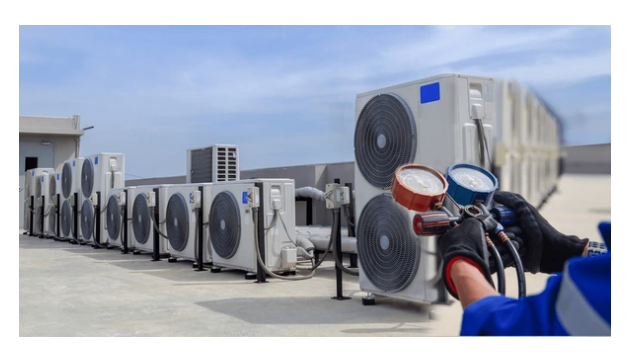
Working with experienced commercial air conditioning installers helps businesses create integrated climate control solutions that improve year-round comfort while supporting overall energy efficiency.
Learn more about commercial air conditioning installers here:
https://roselandsheating.co.uk/commercial-air-conditioning-installers
Employee Comfort Supports Productivity
Energy efficiency should never come at the expense of occupant wellbeing.
Buildings that are too cold during winter or excessively warm during summer can negatively affect concentration, morale and productivity.
Modern sustainable heating systems are designed to provide stable indoor temperatures while consuming less energy than older equipment.
Employees benefit from improved comfort, while businesses benefit from lower operating costs and a more productive working environment.
Sustainability Is Also Good Business
Investing in sustainable heating offers benefits that extend beyond energy savings.
Businesses may experience:
- Lower operating costs
- Reduced carbon emissions
- Improved ESG performance
- Enhanced corporate reputation
- Increased property value
- Greater resilience against future energy price increases
Customers and stakeholders increasingly favour organisations that actively invest in environmentally responsible practices, making sustainability an important competitive advantage.
Developing a Long-Term Heating Strategy
Rather than reacting to equipment failures, businesses should develop long-term heating strategies aligned with operational objectives.
An effective strategy typically includes:
- Regular energy reviews
- Planned equipment replacement
- Preventative maintenance schedules
- Renewable technology assessments
- Smart control upgrades
- Continuous performance monitoring
This proactive approach enables organisations to spread investment over time while continuously improving efficiency.
Final Thoughts
Reducing energy costs does not require businesses to compromise on comfort, reliability or operational performance. By combining efficient heating systems, intelligent controls, preventative maintenance and renewable technologies, organisations can significantly improve building performance while lowering long-term operating expenses.
Sustainable commercial heating is no longer simply about reducing carbon emissions—it is about creating smarter, more resilient buildings that support both business success and environmental responsibility. With guidance from experienced specialists such as Roselands Heating, businesses can develop future-ready heating solutions that deliver lasting value for both their operations and the environment.